

Casares village
€€€€Traditional, steep, scenic
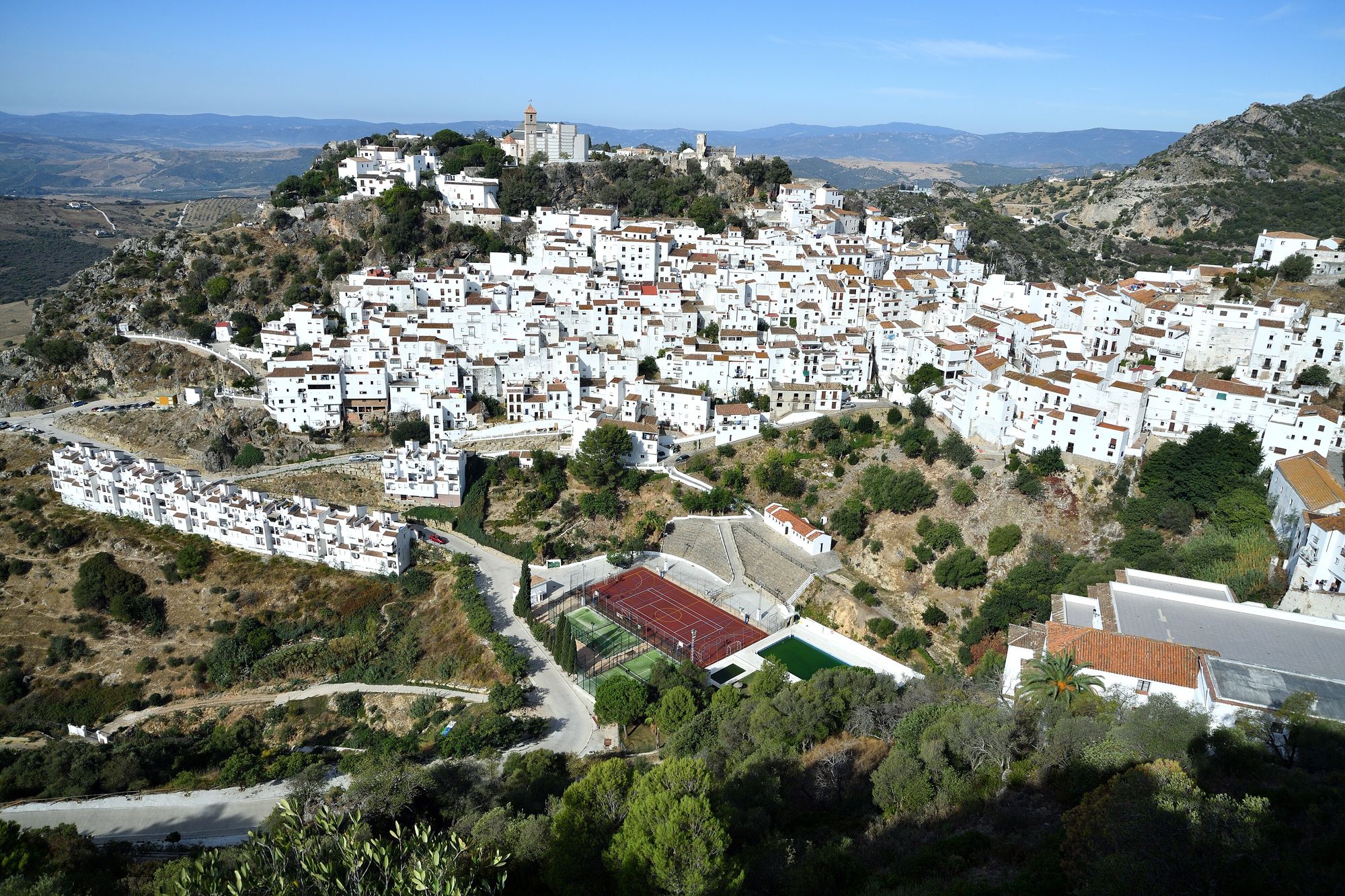
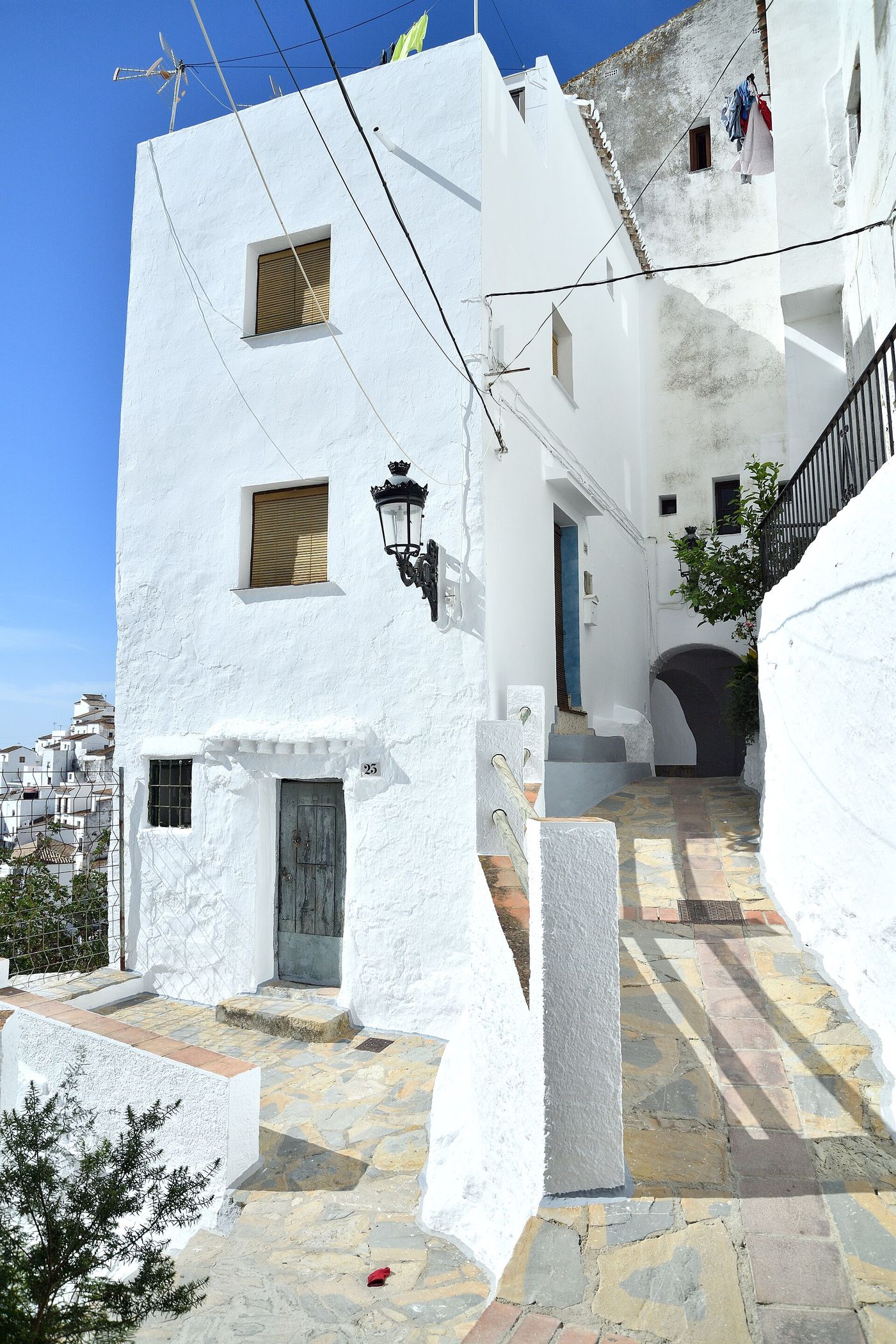
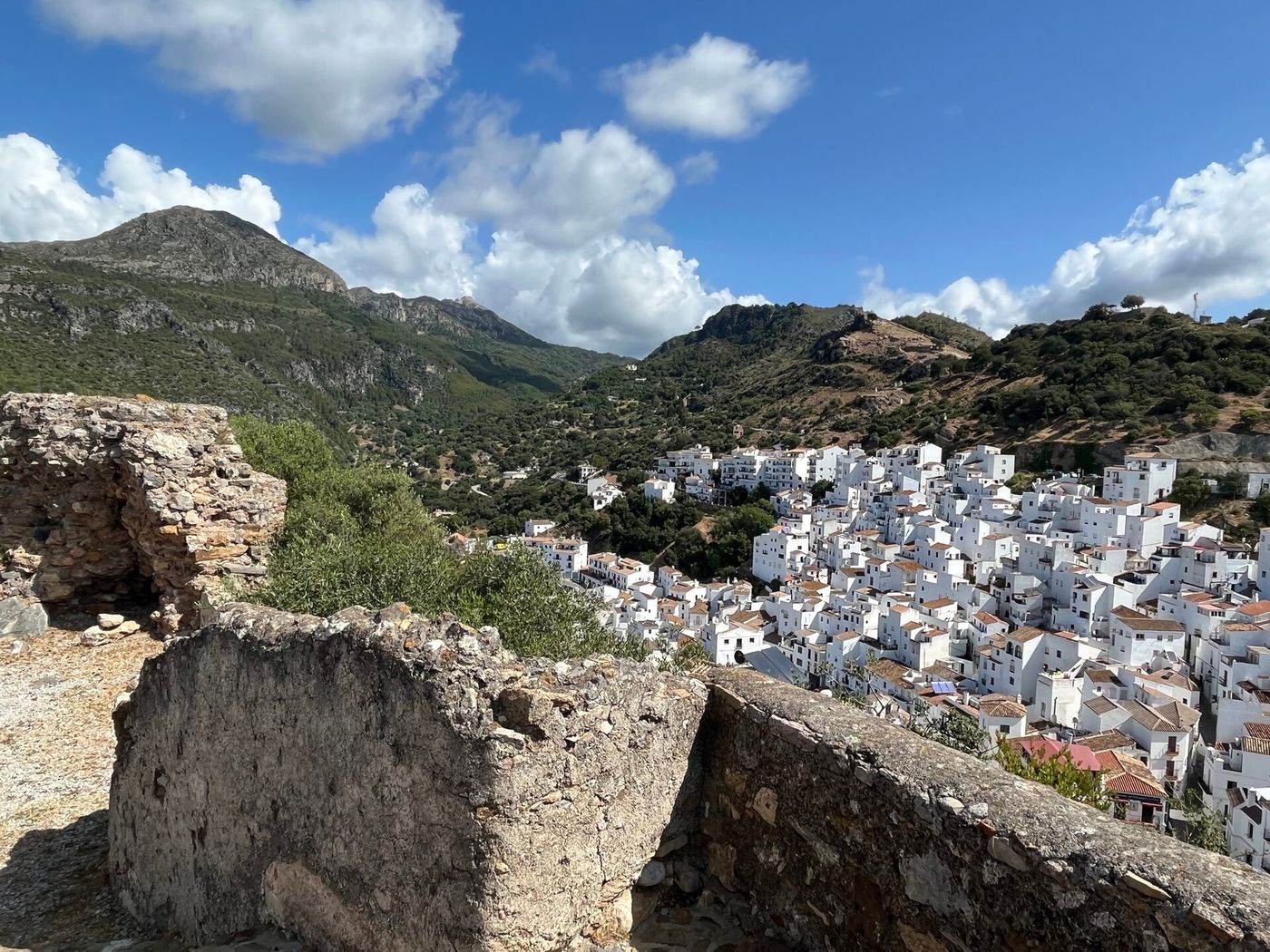
The historic white village on its ridge: Plaza de España, Calle Carrera with Blas Infante's birthplace, the castle and church at the top, ventas on the approach roads.
Casares (Málaga) · 36.41° N · 5.25° W
White hill village above a short stretch of coast, with Finca Cortesín below
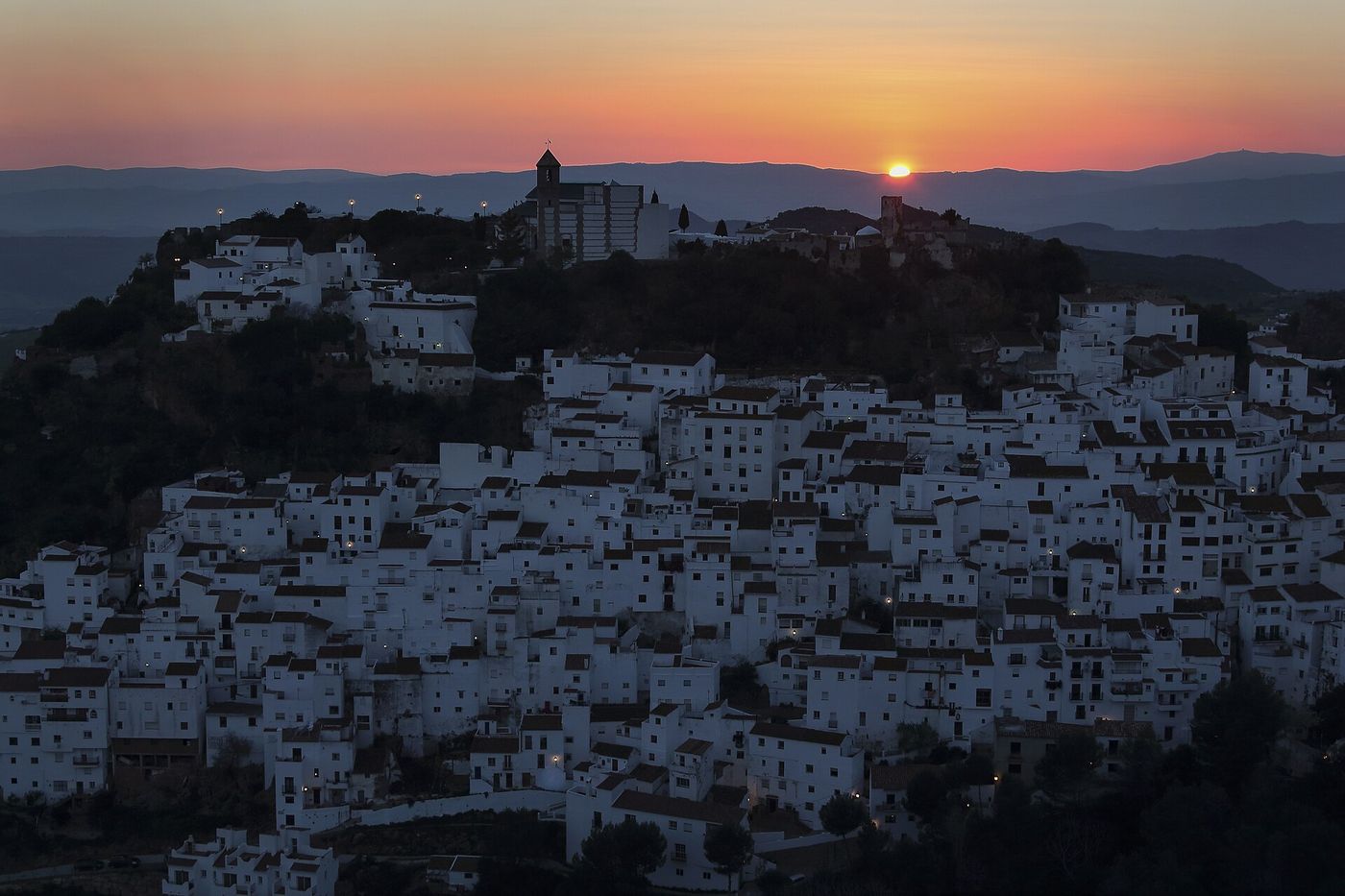
Casares is two places in one municipality of about 160 km². The old village hangs off a rocky ridge 14 km inland, its white houses stacked below the ruins of a castle at 435 m; the whole village was declared a protected historic ensemble in 1978. Legend says Julius Caesar founded it after curing a skin complaint in the sulphur waters of La Hedionda. It changed hands in 1485 after the fall of Ronda, and Blas Infante, the father of Andalusian nationalism, was born here on 5 July 1885; his birthplace is now a museum.
White houses stacked under a castle on the rock, and a short, quiet coast fourteen kilometres below.
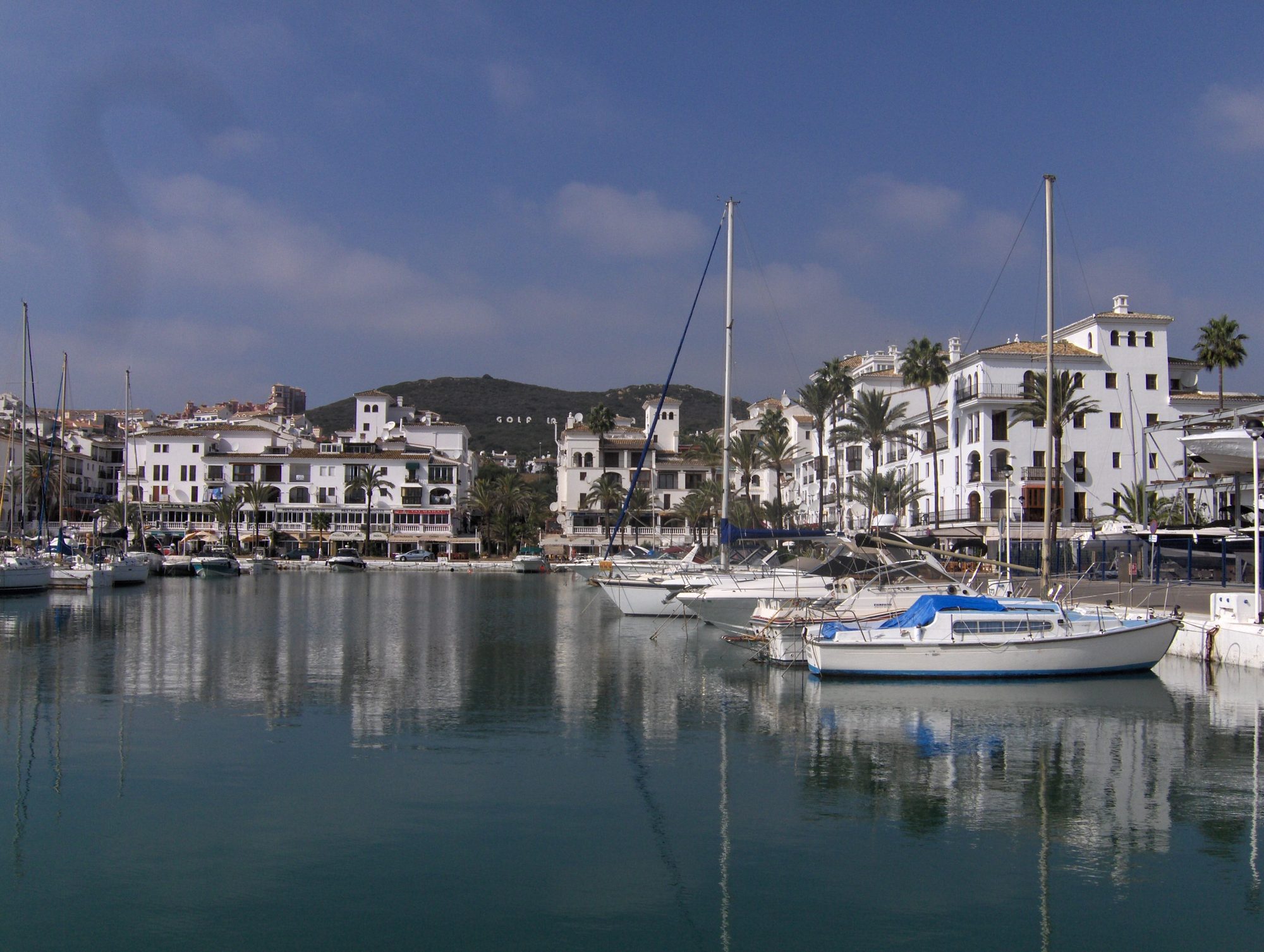
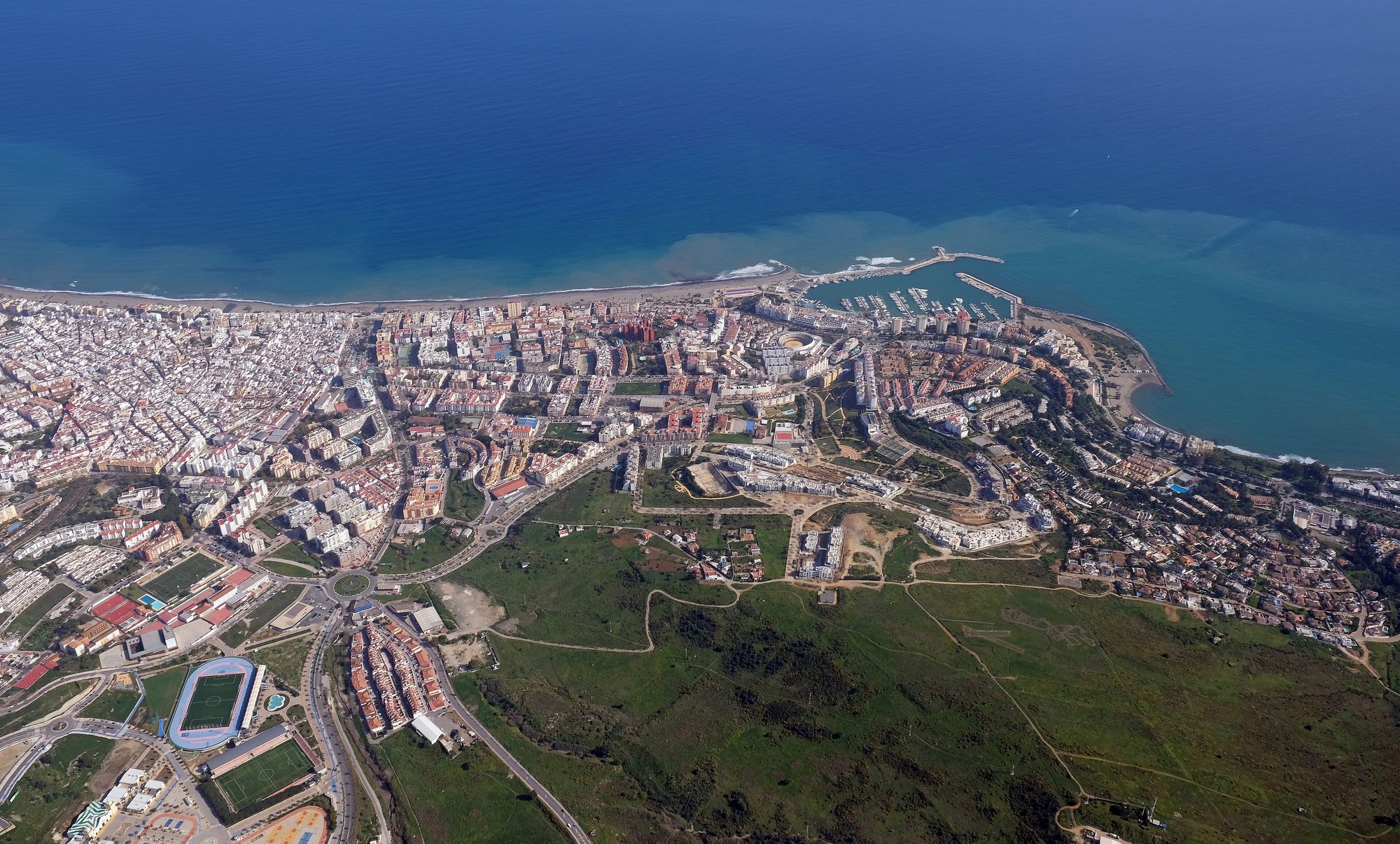
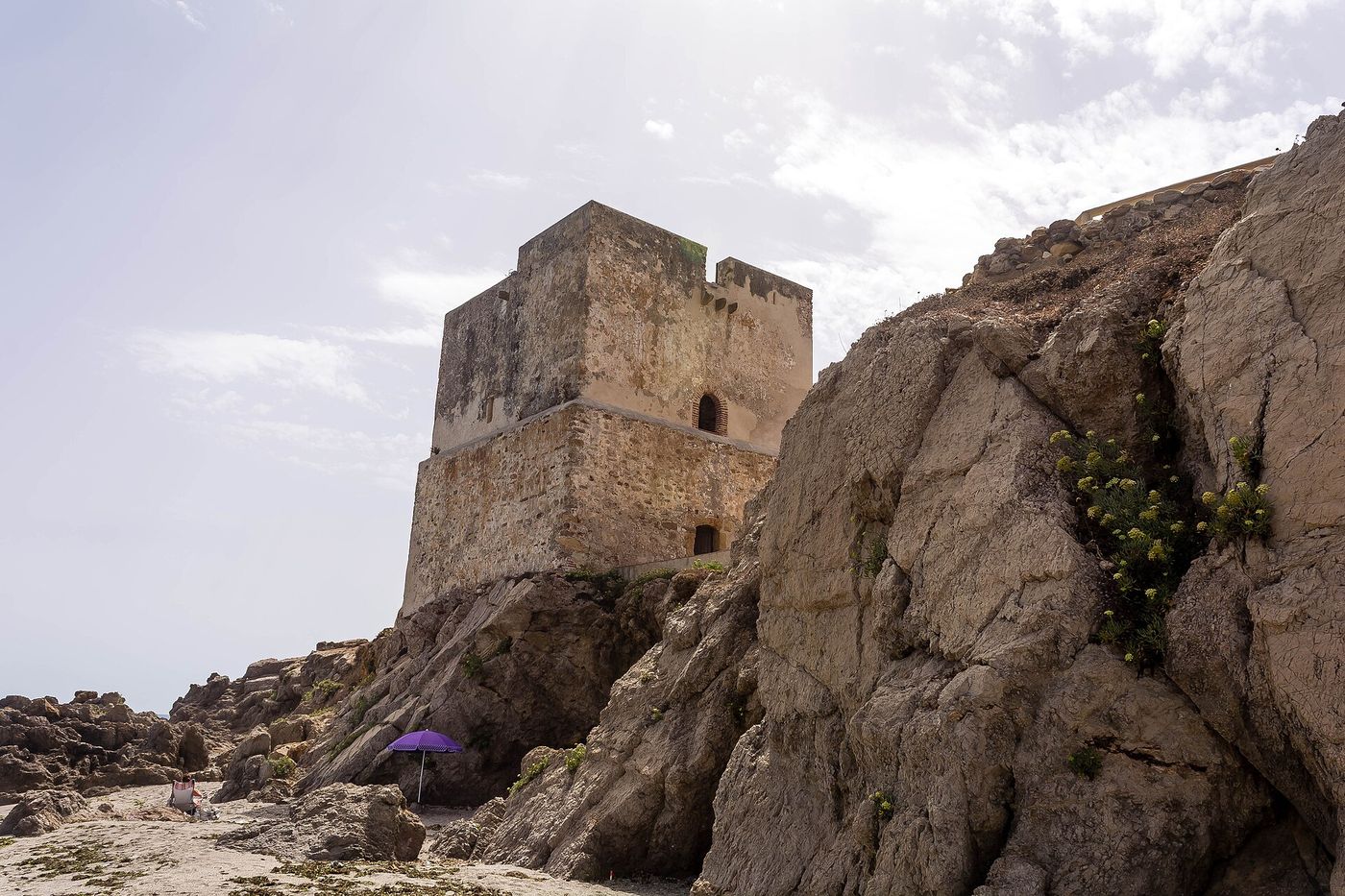
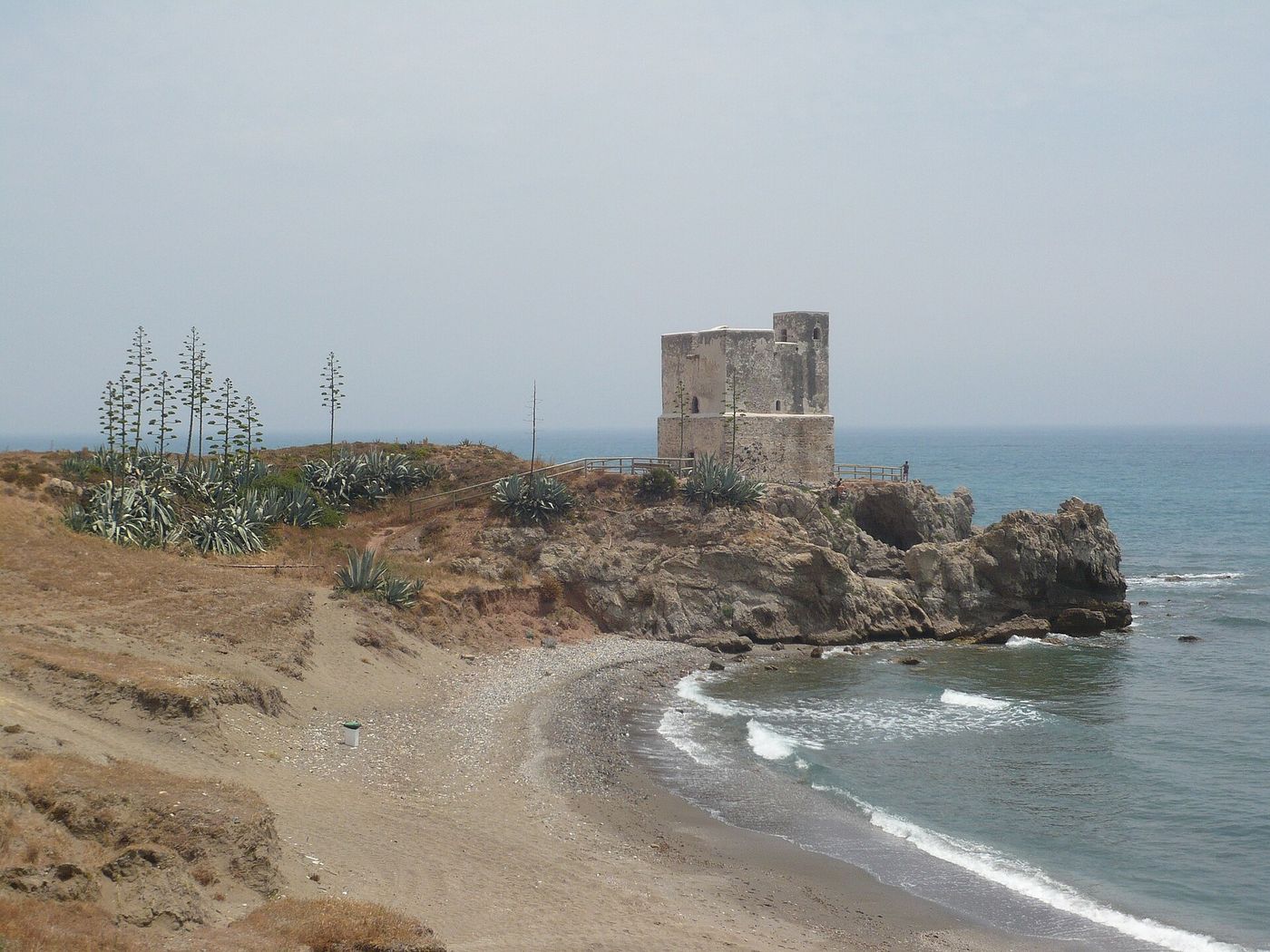
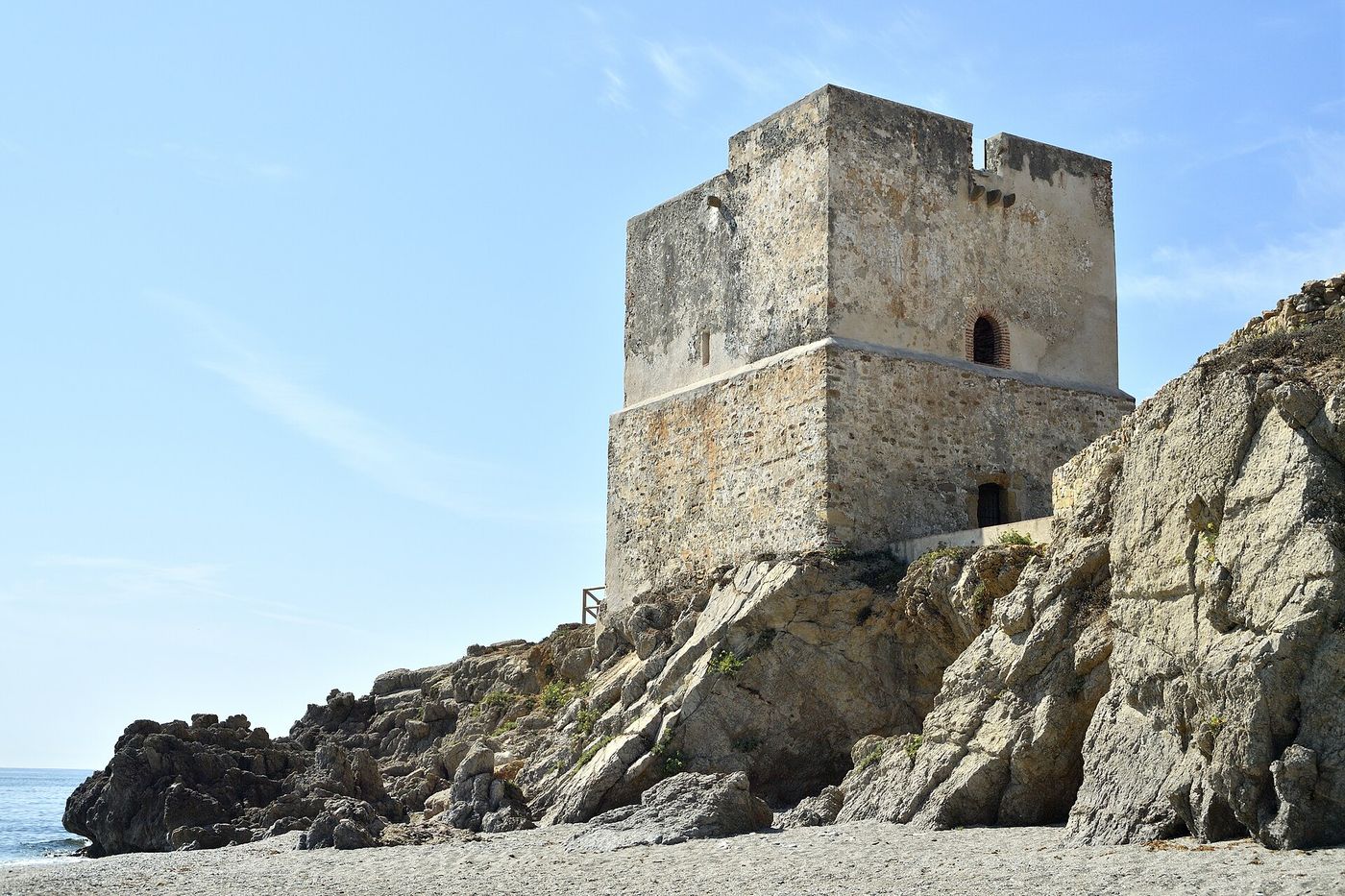
Down on the coast, Casares Costa is a strip of modern urbanisations between Estepona and Sabinillas: Casares del Sol, Doña Julia around its golf course, Bahía de Casares and Marina de Casares by the beach, and the Finca Cortesín resort with its championship golf course. The coast has only a short run of beaches, from Playa Ancha (Blue Flag) to the coves under the 16th-century Torre de la Sal. El Secadero, a small village in the far southwest on the Cádiz border, is the third population centre.
INE counts 9,009 residents (2025), up 6% from 8,486 a year earlier. The village keeps a Spanish rhythm of ventas, goat dishes and fiestas; the coast is far more international, with many holiday and second homes.
In summer the village gets day-trippers and its free flamenco festival in August, while the coast fills up and the Hedionda baths open for booked, free bathing from late June to early September. Winter is very quiet on the coast and fresh up in the village, which is the season for walking in the Sierra Crestellina and the Utrera karst.
Downsides: the village is a winding 20–25-minute drive from the coast, with steep streets and little parking; Casares Costa has few shops of its own and depends on Sabinillas and Estepona; nightlife is close to nil, and a car is essential.
Short coastline; Playa Ancha has a Blue Flag (2025 and 2026), the rest are small coves around Torre de la Sal.
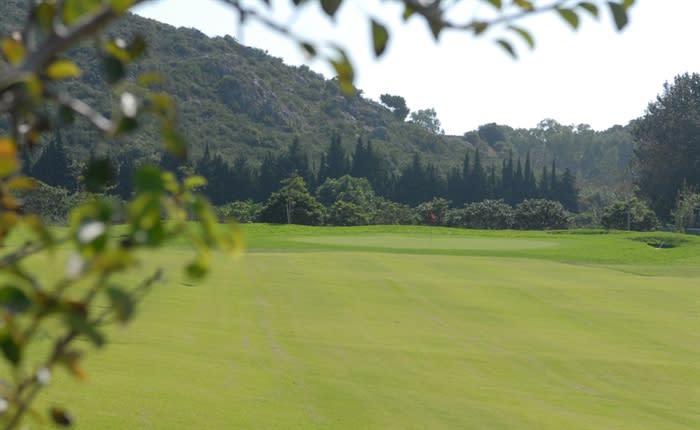
Finca Cortesín (Solheim Cup 2023) and Doña Julia in the municipality, La Duquesa and Estepona courses next door.
Essentially none; go to Estepona or the Duquesa marina.
State primary schools in the village and El Secadero; international schools are in Sotogrande or Estepona.
Village and golf urbanisations are very calm outside summer weekends.
The village is walkable but steep; the coast is car-based.
Average €4,132/m² (Oct 2026), above Manilva but below Estepona's prime areas; prices dipped 1.2% in a year.
International coast, Spanish village.
Homes we sell ourselves here — our exclusives and the new developments we represent.
Live listings in Casares at three very different budgets.


municipal average (all homes); Marina de Casares €4,426, Bahía de Casares €4,030, Doña Julia €3,835
after +30.9% in the year to November 2025
for an 85 m² 2-bed (portal average €15/m², October 2026, −4.1% year on year)
| Home | From | To |
|---|---|---|
| 1–2 bed apartment, Doña Julia / Casares del Sol (60–90 m²) | €230,000 | €360,000 |
| 2–3 bed beachside apartment, Marina / Bahía de Casares (80–120 m²) | €320,000 | €530,000 |
| townhouse in a golf urbanisation (110–160 m²) | €420,000 | €640,000 |
| detached villa on the coast (250–500 m²) | €1,000,000 | €2,200,000 |
After a sharp rise in 2025 (+31% year on year by November 2025), asking prices flattened in 2026. The cheaper coastal zones are the golf urbanisations of Doña Julia and Casares del Sol (about €3,800–4,000/m²); Marina de Casares by Playa Ancha is the dearest. Village houses vary hugely with condition and access; El Secadero has no published average but is the most rural and affordable part. Figures are portal asking-price averages mixing property types.
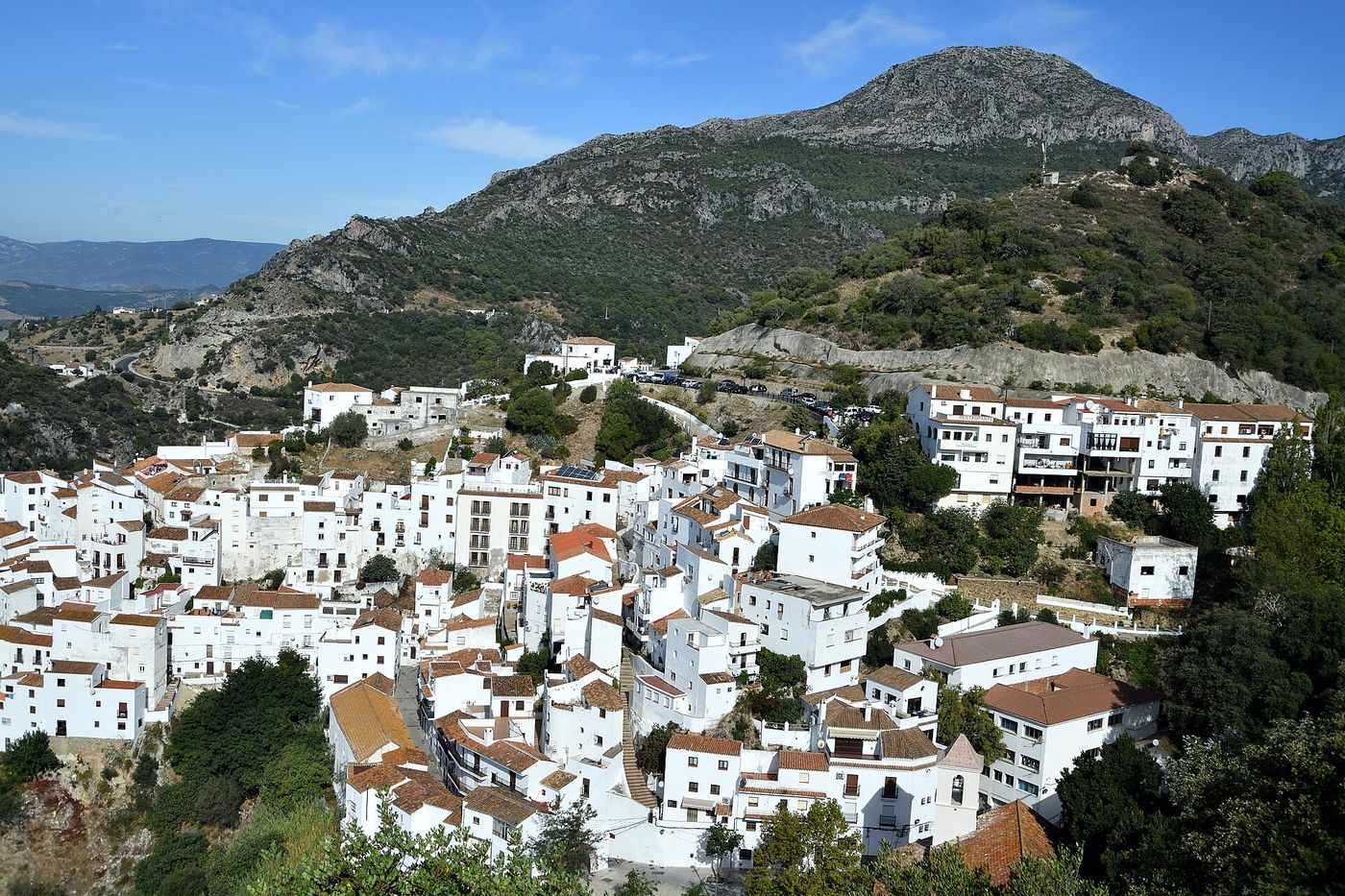
Fourteen kilometres inland, Casares climbs a ridge to castle ruins at 435 metres, and the whole village has been protected since 1978.
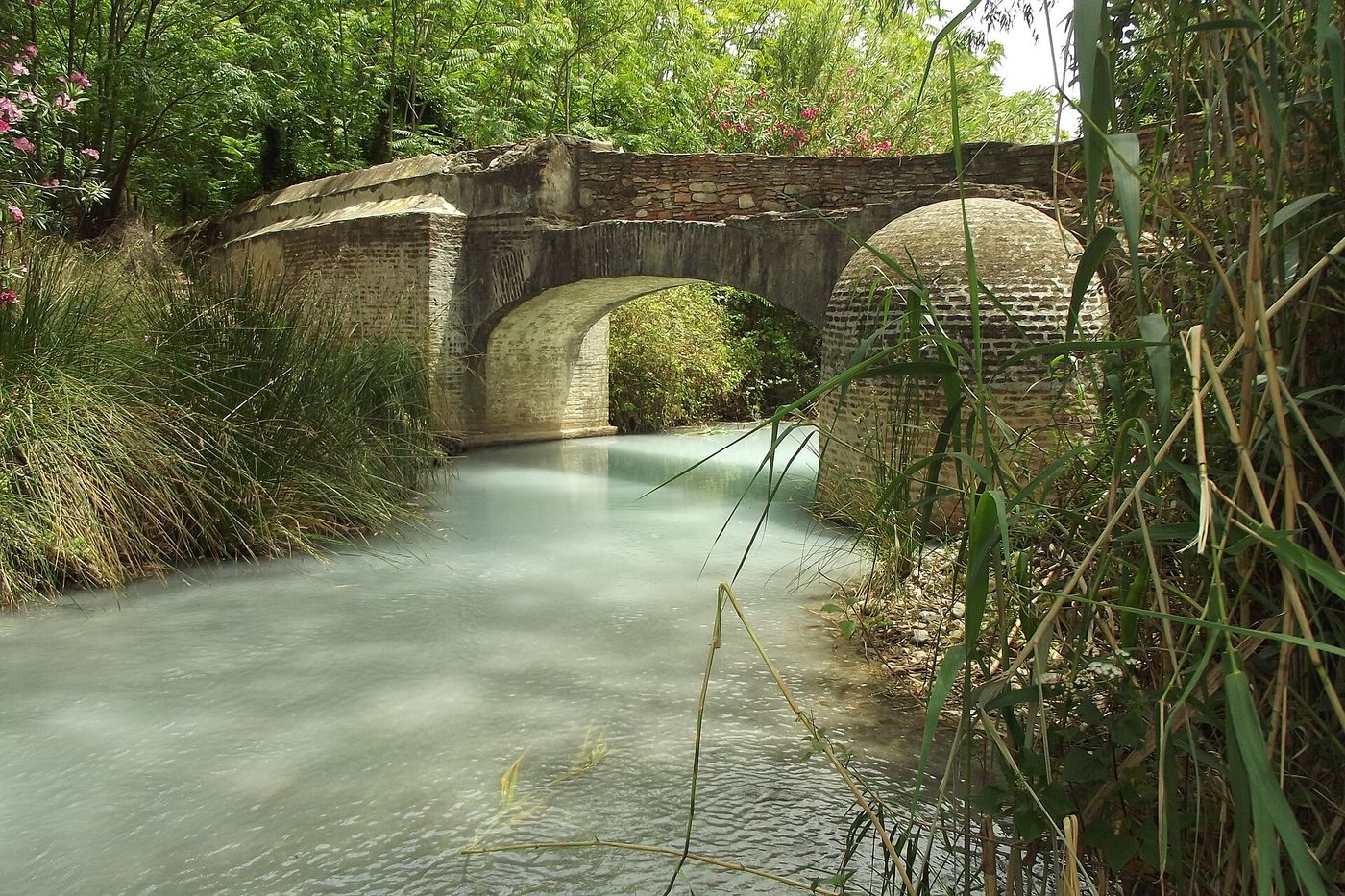
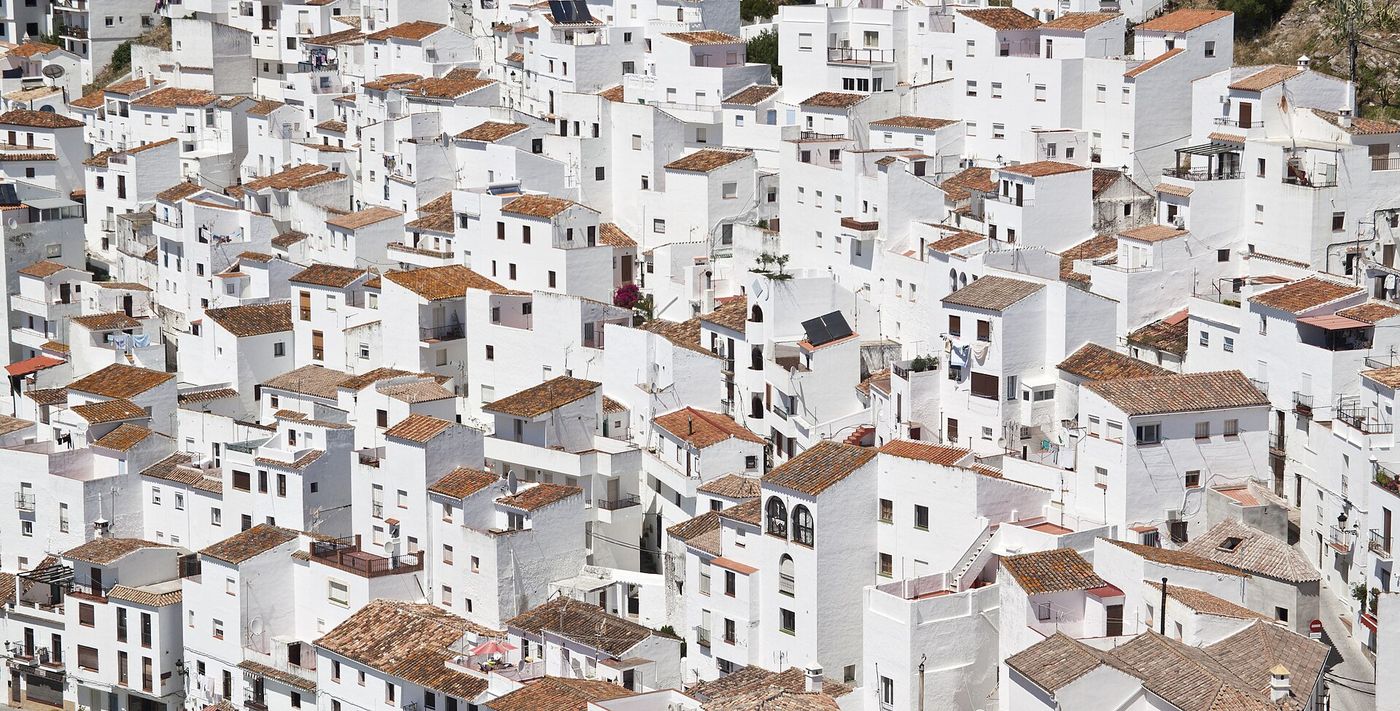
Seen from the road, Casares looks stacked rather than built: white houses and terracotta roofs packed up the rock to the ruins of a fortress that has been a refuge since at least the 13th century. Legend says Julius Caesar founded the place after curing a skin complaint in the sulphur waters of La Hedionda, where the domed baths still stand by the Manilva river.
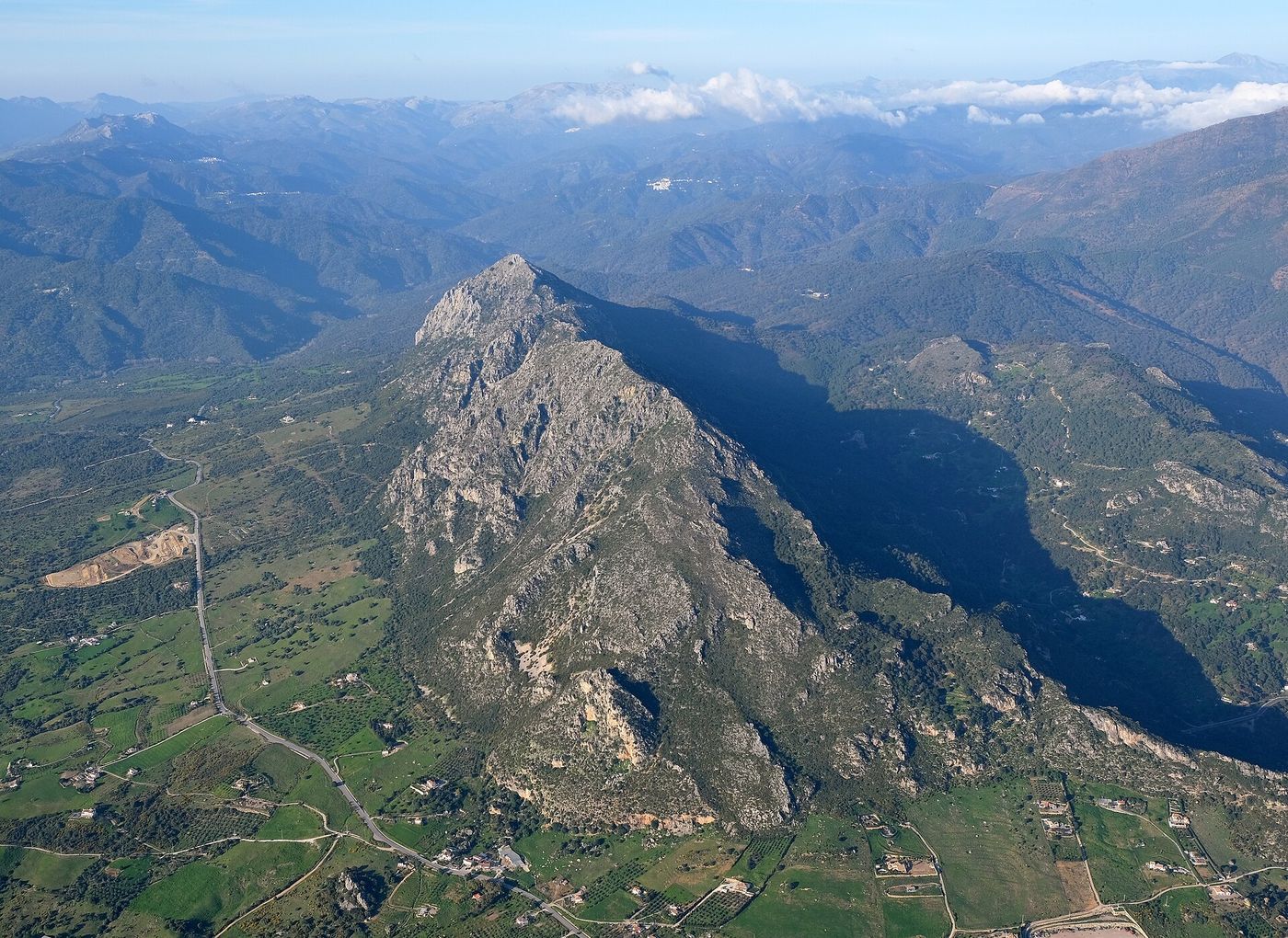
The village changed hands in 1485, after the fall of Ronda, and Blas Infante, the father of Andalusian nationalism, was born on Calle Carrera on 5 July 1885; the house is now a museum. Above it rises the limestone of Sierra Crestellina, protected since 1989, whose trails make autumn to spring the season for walking, while August brings the free Rosa Fina flamenco festival.
Traditional, steep, scenic
The historic white village on its ridge: Plaza de España, Calle Carrera with Blas Infante's birthplace, the castle and church at the top, ventas on the approach roads.
Rural, Spanish, very quiet
Small village in the far southwest of the municipality, on the border with Cádiz province, with a municipal pool, padel courts, sports hall and primary school.
Residential, holiday homes
Urbanisation on the slopes above the coast; one of the more affordable coastal zones.
State infant and primary school at the edge of Casares village, named after the village's most famous son.
State infant and primary school in Urbanización Sotocolorado, El Secadero, with canteen and after-school activities.
The village's SAS GP surgery on Calle Peñón Rodado, open 8:00–15:00 on weekdays (951 27 06 99); for urgent care call 951 03 14 37. It belongs to the Estepona health zone, and the reference hospital is Hospital Costa del Sol.
Finca Cortesín's main restaurant under chef Lutz Bösing, cooking seasonal local produce on a terrace among ancient olive trees with a view to the sea.
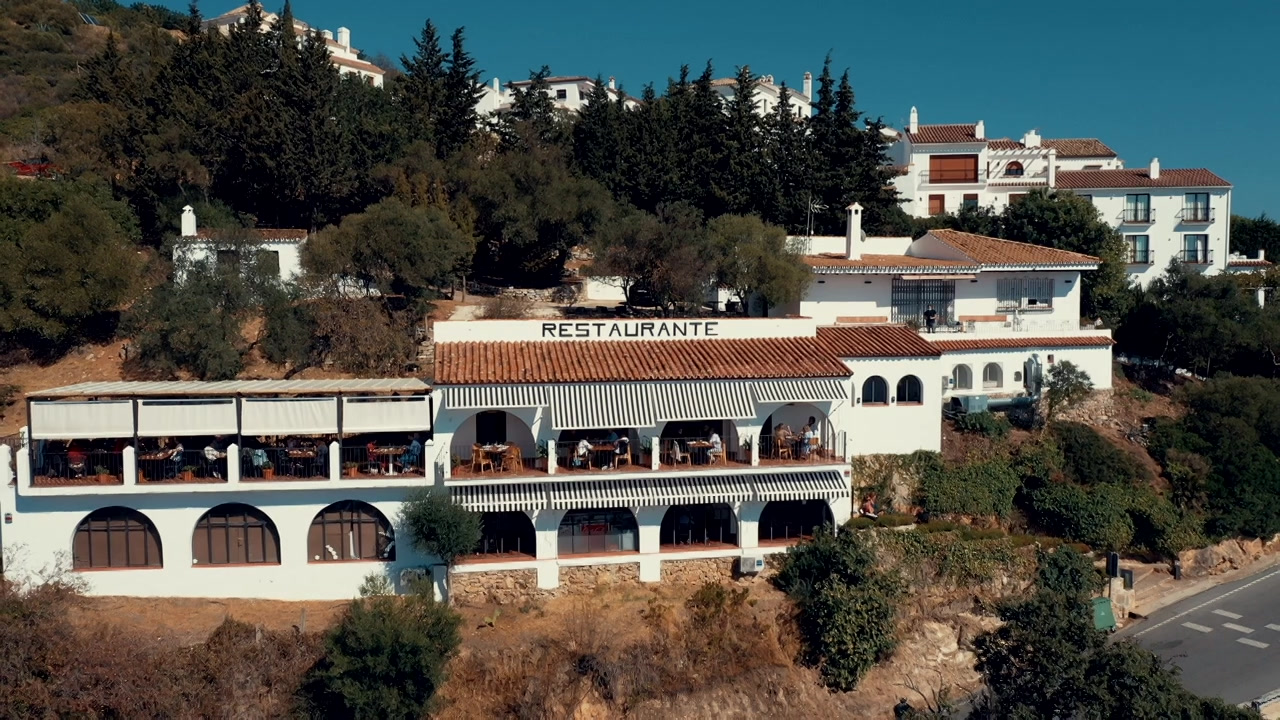
Hilltop restaurant with terraces over the village, run by two brothers in their family house: charcoal-grilled Málaga kid goat, aged beef and Spanish wagyu, plus daily specials. Closed Monday and Tuesday.
The resort's signature restaurant, mixing traditional Asian dishes with Mediterranean ingredients; it has taken the place once held by Kabuki Raw.
Village bar beside the castle area with a small terrace; carne con tomate and goat dishes, and cold beers. New management in 2026.
Informal tapas bar on Plaza de España; let the staff choose the tapas, and try the empanadas and grilled meats.
The resort's 6,000 m² beach club at Bahía de Casares with a pool by the sea, sunbeds and Mediterranean menu; bookable through TheFork.
The widest beach in Casares, running from the Arroyo La Parrilla to the mouth of the Manilva river beside Sabinillas; the municipality's Blue Flag beach.
Small beaches west of the Torre de la Sal with views of the cliffs and the 16th-century tower; the La Sal beach bar serves paella on the sand.
Cove at Punta Salto de la Mora under the watchtower, with the Finca Cortesín Beach Club and the Bahía Beach restaurant; east of it Playa de la Paloma runs to the Estepona boundary.
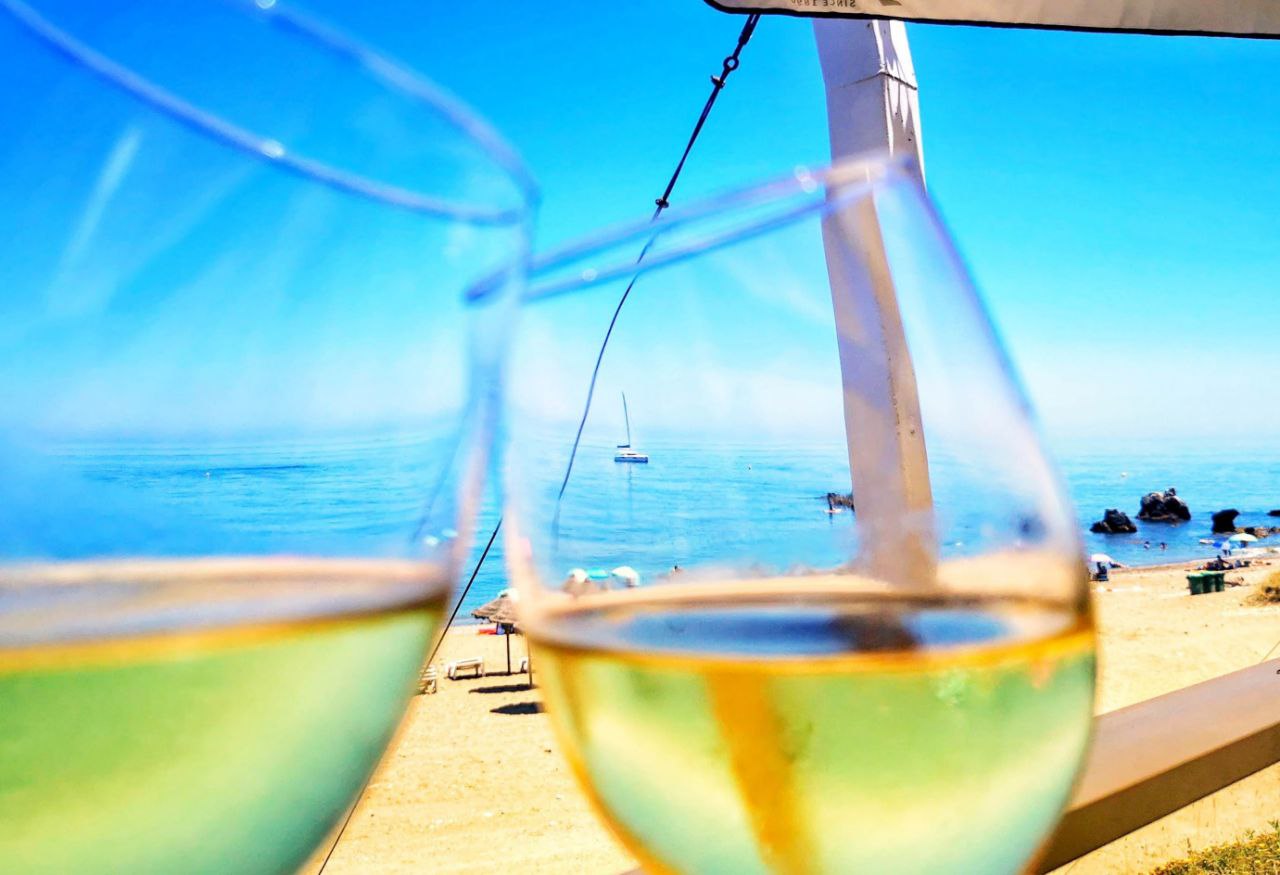
Relaxed beach bar on Playa Chica with a simple menu; the mixed paella with the sea view is the order.
Beach restaurant at Bahía de Casares with a good fish selection and beach views; some diners find it pricey for the portions.
Cabell B. Robinson design; hosted the Volvo World Match Play Championship and the 2023 Solheim Cup; tee times bookable online.
Golf club on the Casares coast that also runs footgolf and the Sunset restaurant; its website was being rebuilt in Nov 2026, so call for tee times.
Municipal sports hall in El Secadero, beside the village's padel courts and municipal pool.
Open-air municipal swimming pool in El Secadero.
Par 71, designed by Antonio Garrido; 2026 green fee €95 high season / €84 low season for 18 holes with shared buggy, 9 holes from €59.
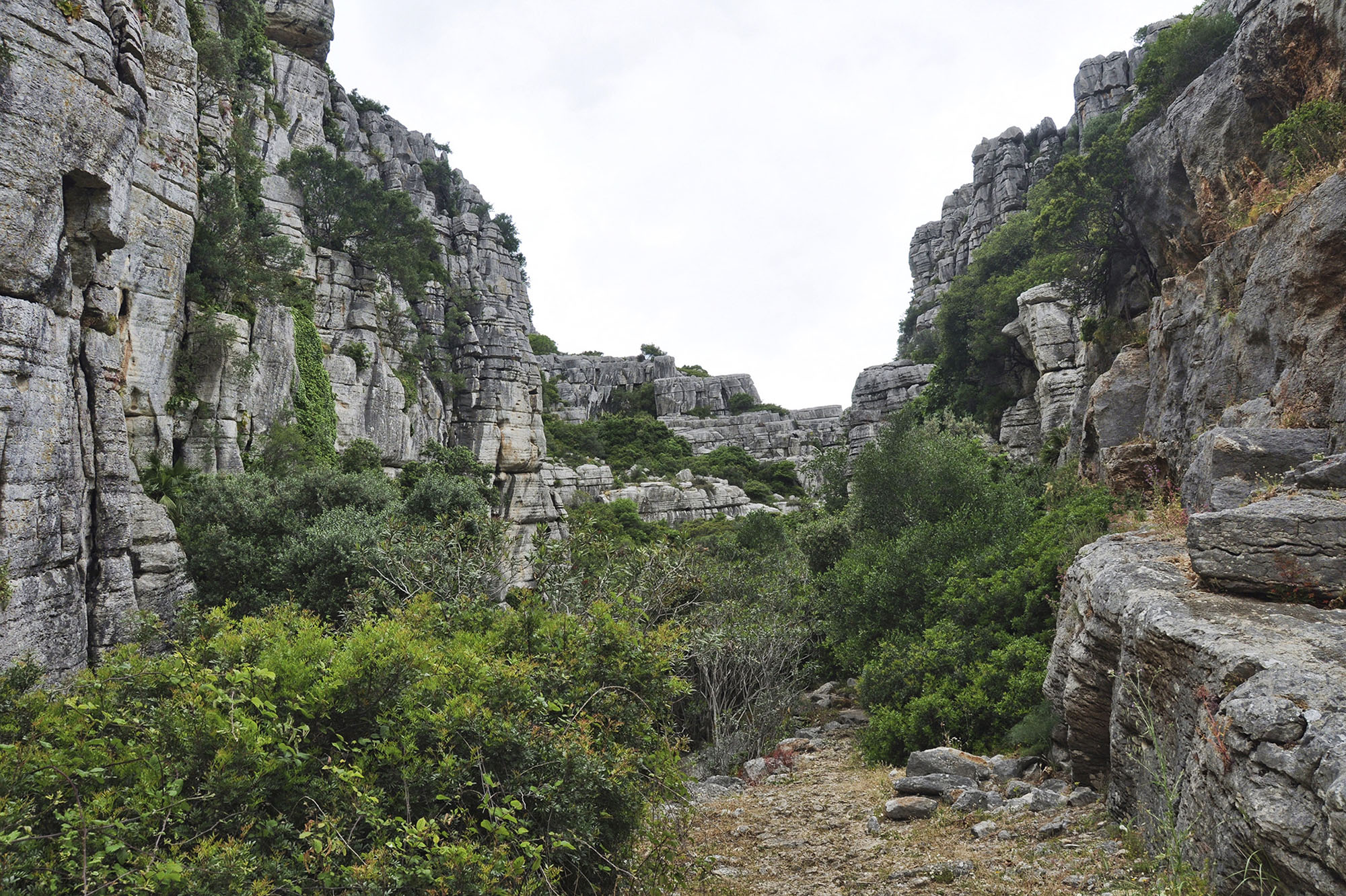
Limestone gorge in the Sierra de la Utrera, described by Casares tourism as the southernmost karst in Europe; a short walk from the Hedionda baths.
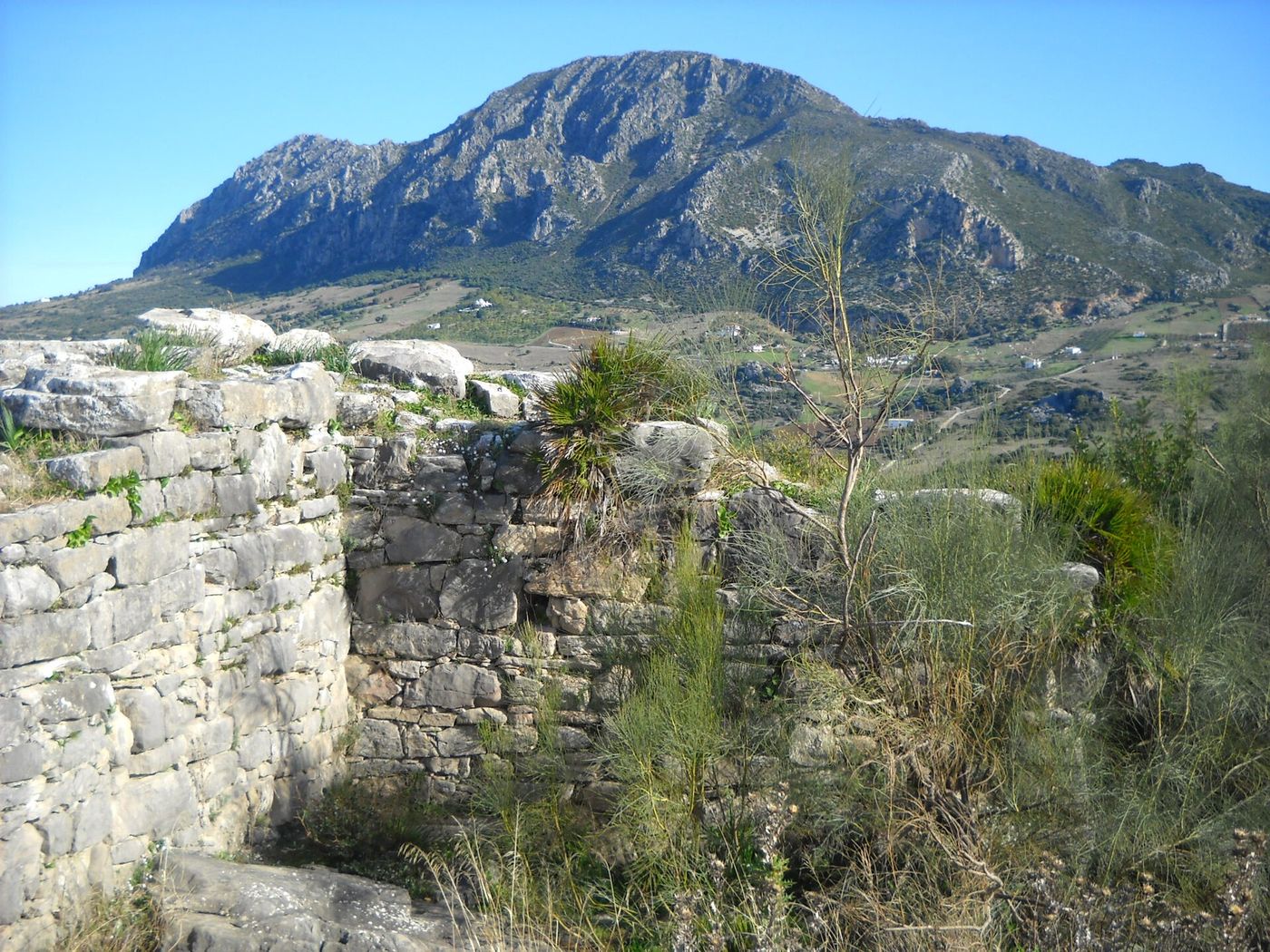
Ruins of the Moorish fortress on the rock at 435 m above the village, a refuge since at least the 13th century; walk up for the view over the rooftops to the sea and Gibraltar.
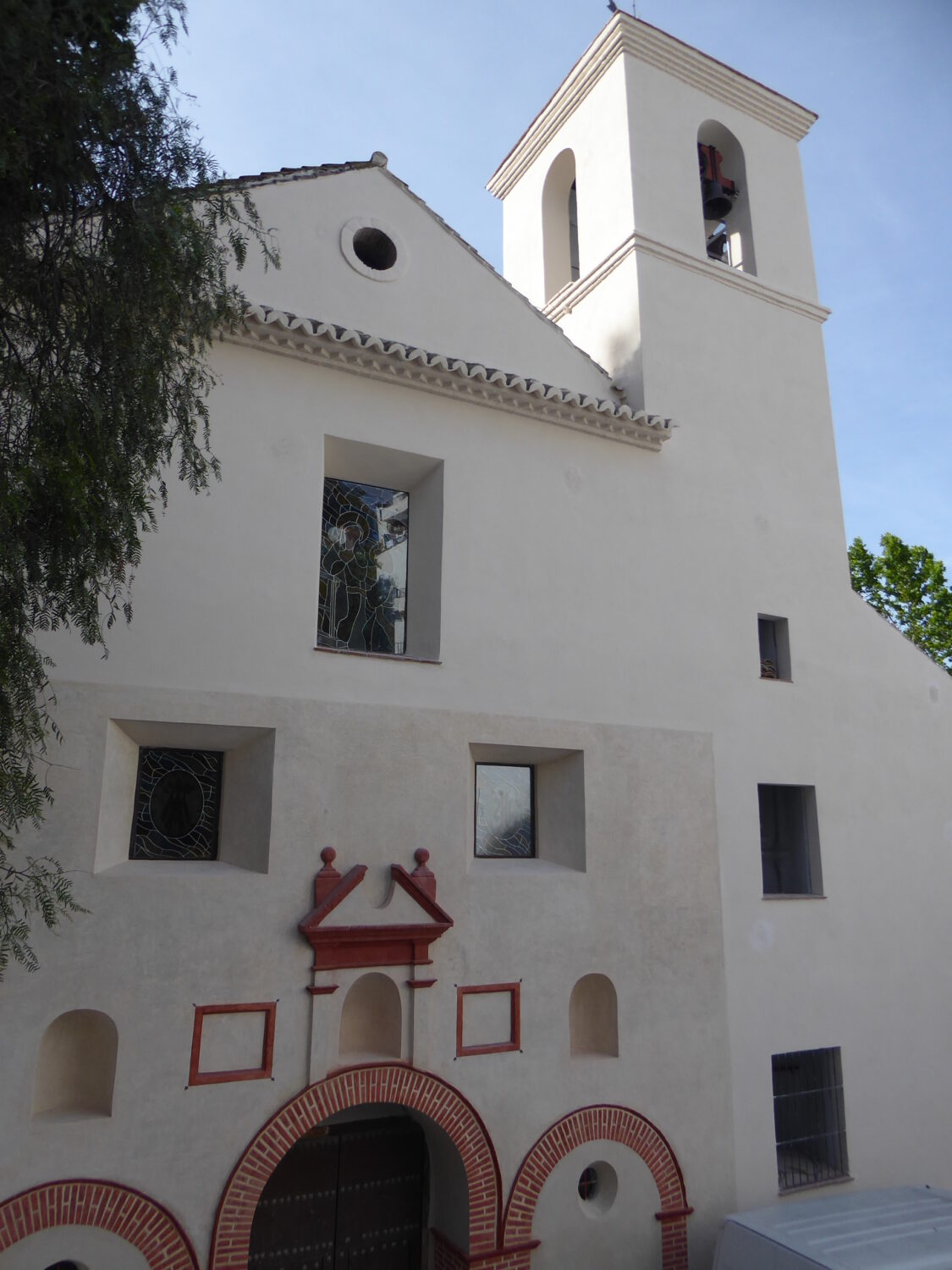
The village church in the old walled precinct at the top of Casares, next to the castle ruins.
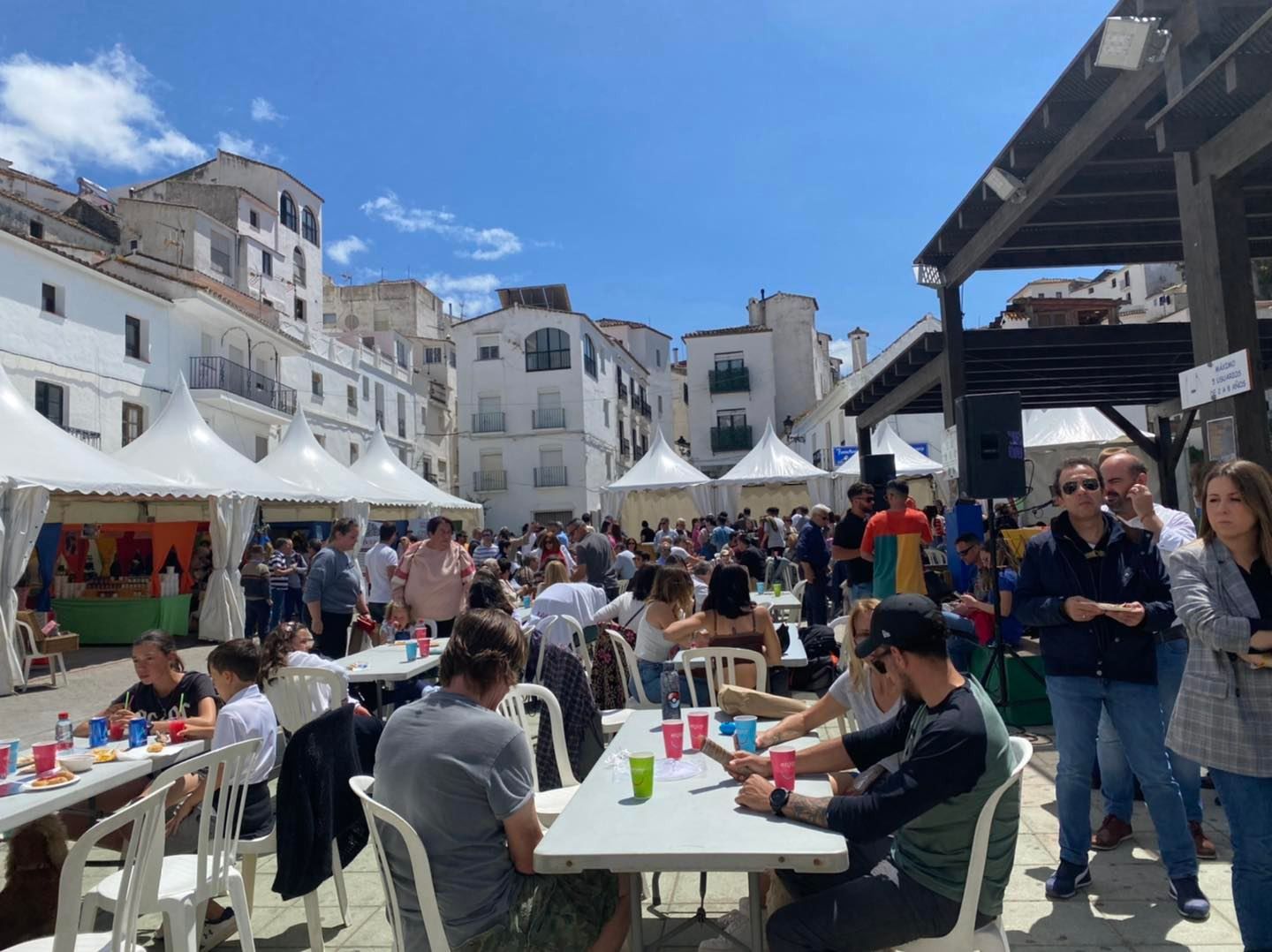
Food fair in the old village (10th edition 18–19 April 2026): goat-tapa contest, Casares gazpacho, local cheese, morcilla and pan cateto, workshops and fandango music along Paseo de la Carrera.
Local operator running a zip line, a via ferrata and a mountain refuge for groups; book by phone (696 480 646).
Casares council's paddle-surf school on the coast (same contact number as Aventura Casares).
Goat-cheese dairy that runs cheese-making workshops and visits, the place to buy Casares cheese.
Answered from this guide: its sources and its maps.
We can tell you which streets suit the way you live, what is on the market there that has not reached the portals, and what it should really cost.
Researched on the web in November 2026; every place was checked as open. Photographs from Wikimedia Commons and Flickr, used under the licences shown, and from the places' own websites and official tourism pages, credited on each card.