

San Luis de Sabinillas
€€€€Spanish, everyday, walkable
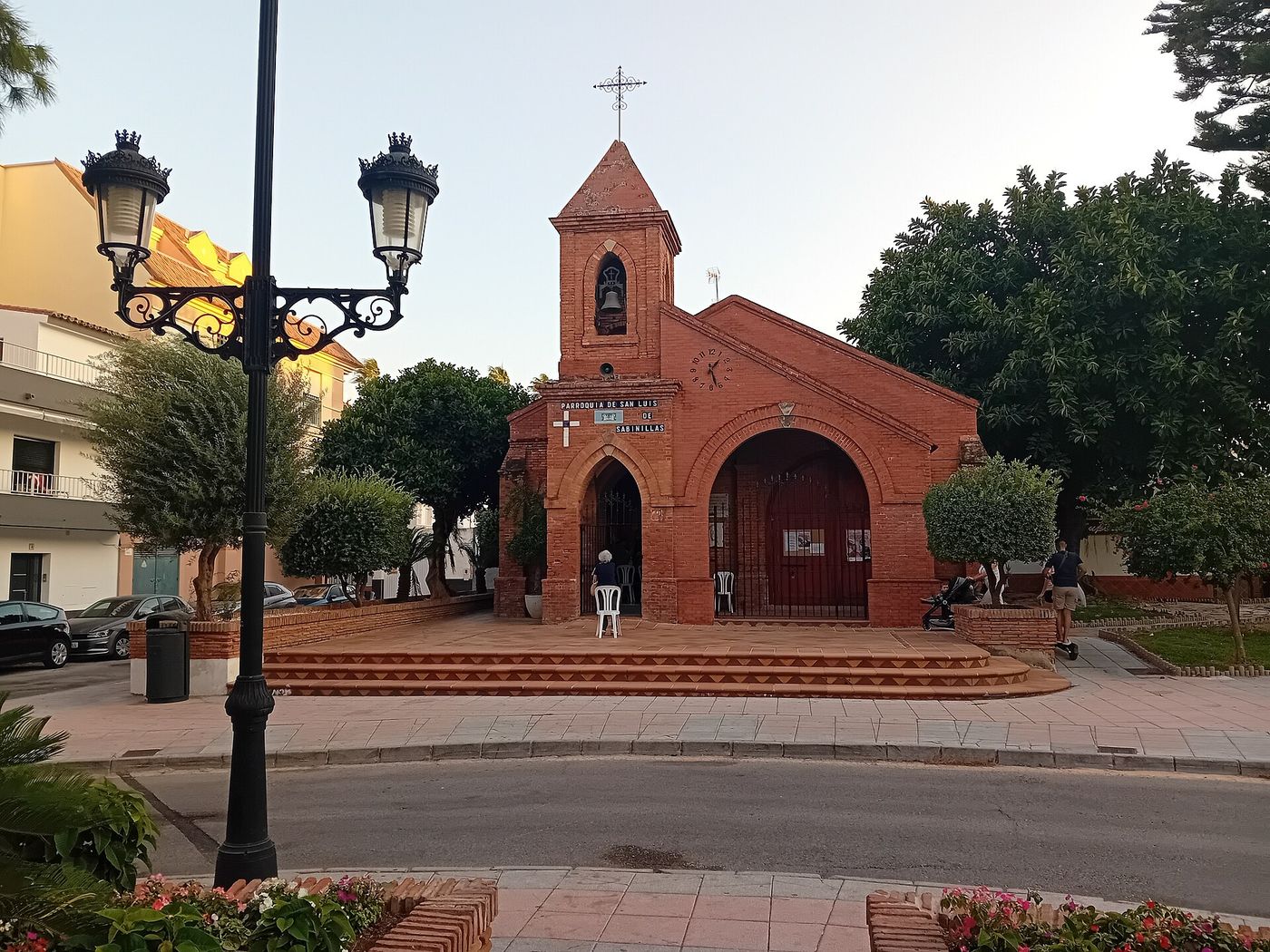
The seaside town: promenade, Calle Duquesa de Arcos with its bars, the health centre, schools and the Friday market, behind a Blue Flag beach where fishing boats are still launched.
Manilva (Málaga) · 36.36° N · 5.24° W
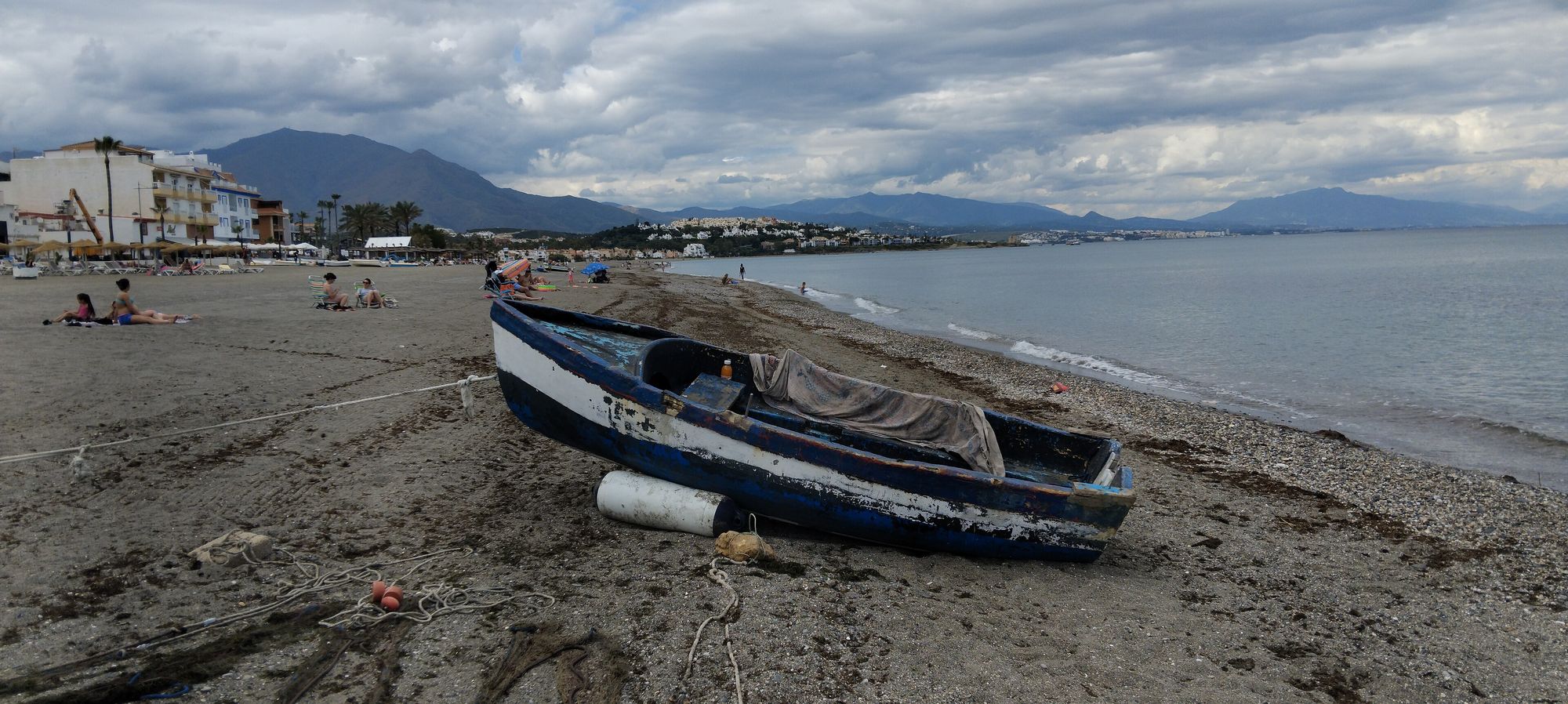
Fishing-boat beach at Sabinillas, a small marina and a wine village on the hill
Manilva is the westernmost town of Málaga province, 35 km² of hills dropping to 7.8 km of coast on the border with Cádiz. People have lived here since prehistory: Los Castillejos de Alcorrín is a walled 9th-century BC fortress, and at Castillo de la Duquesa the Romans ran a fish-salting factory with a villa and baths. The village was founded as a farmstead in 1530, depended on Casares until it became a separate municipality in 1796, and lived for centuries from sugar cane and vineyards.
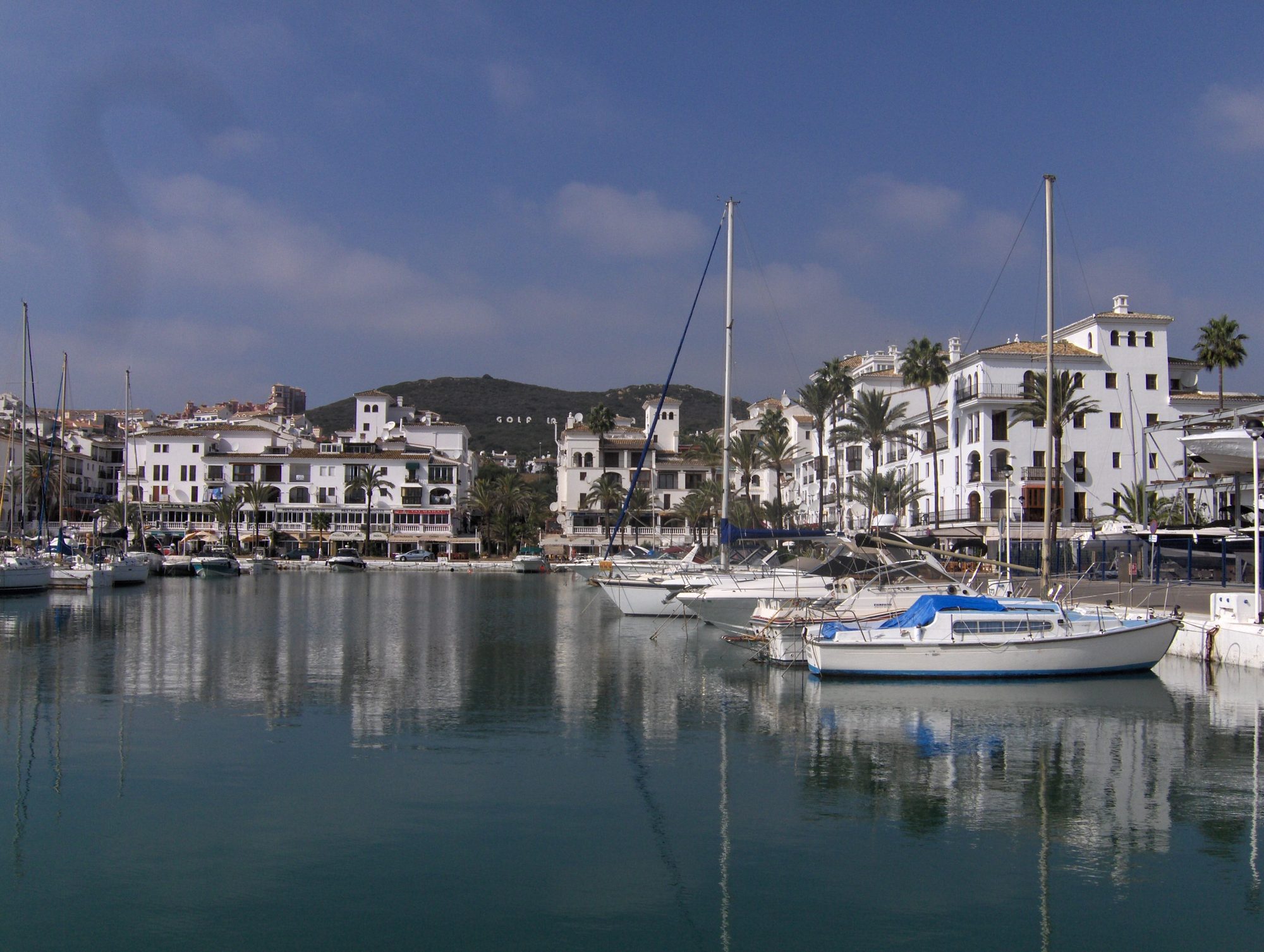
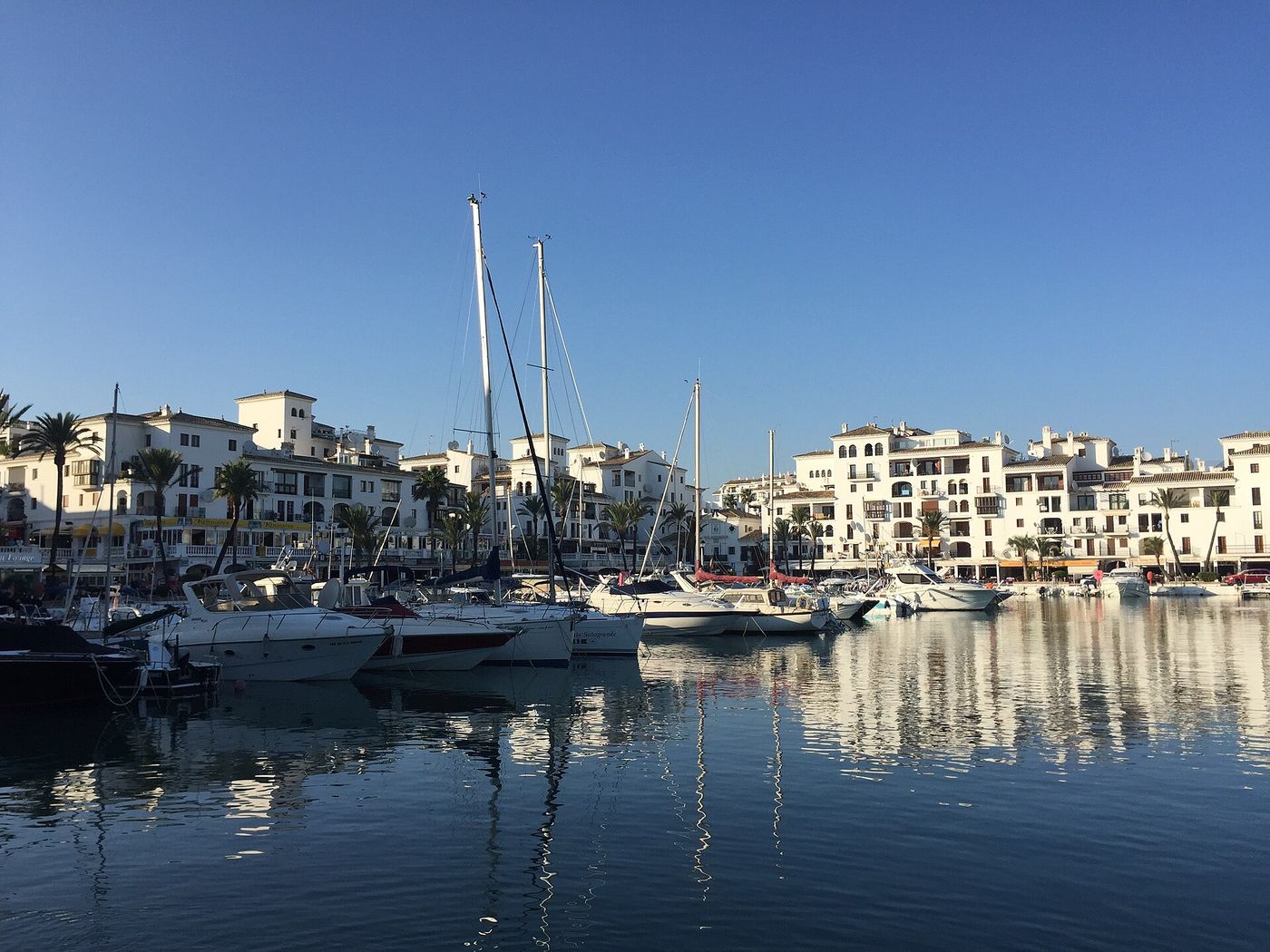
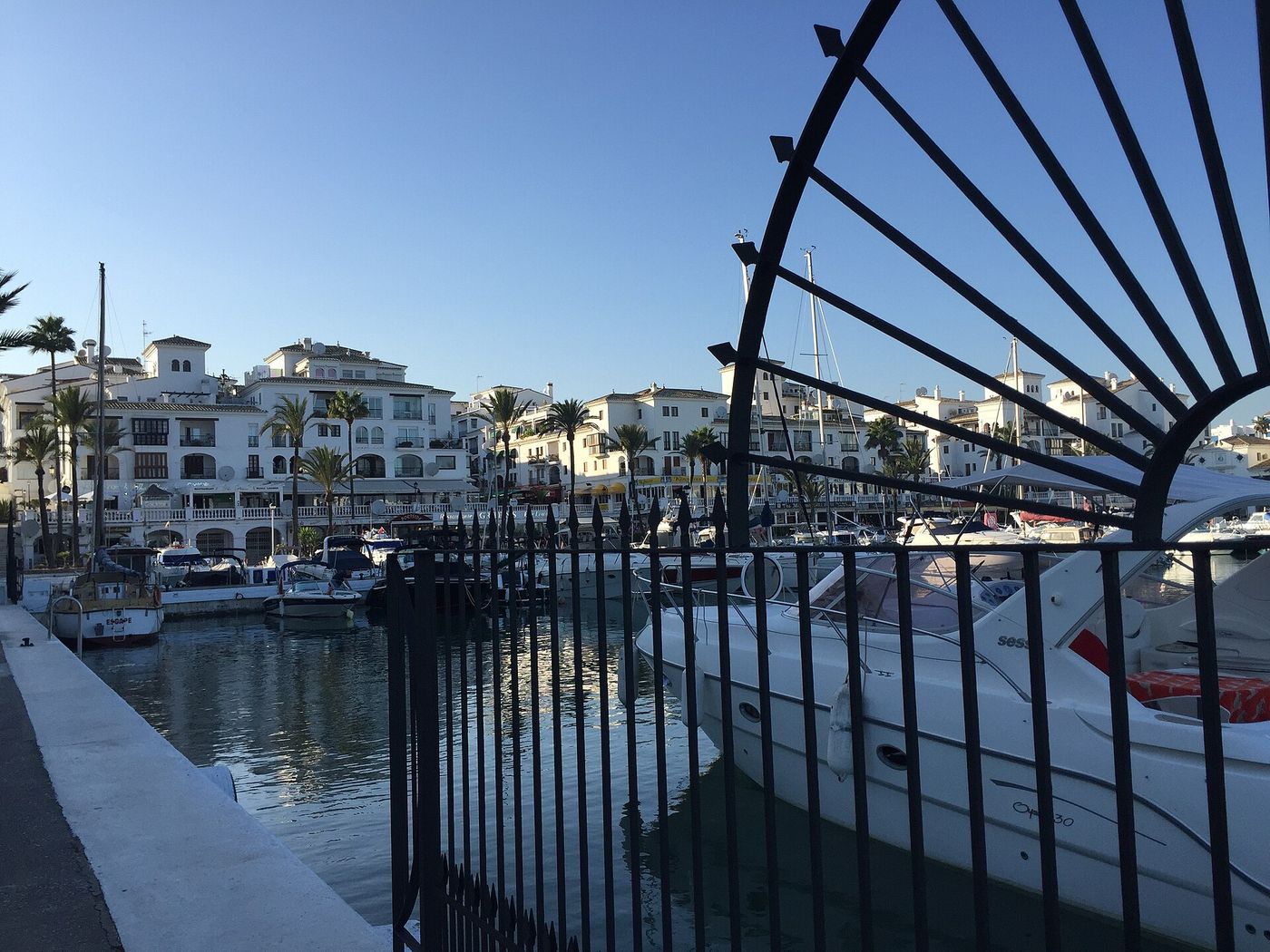
A wine village on the hill, fishing boats on Sabinillas beach and a marina made for the evening stroll.
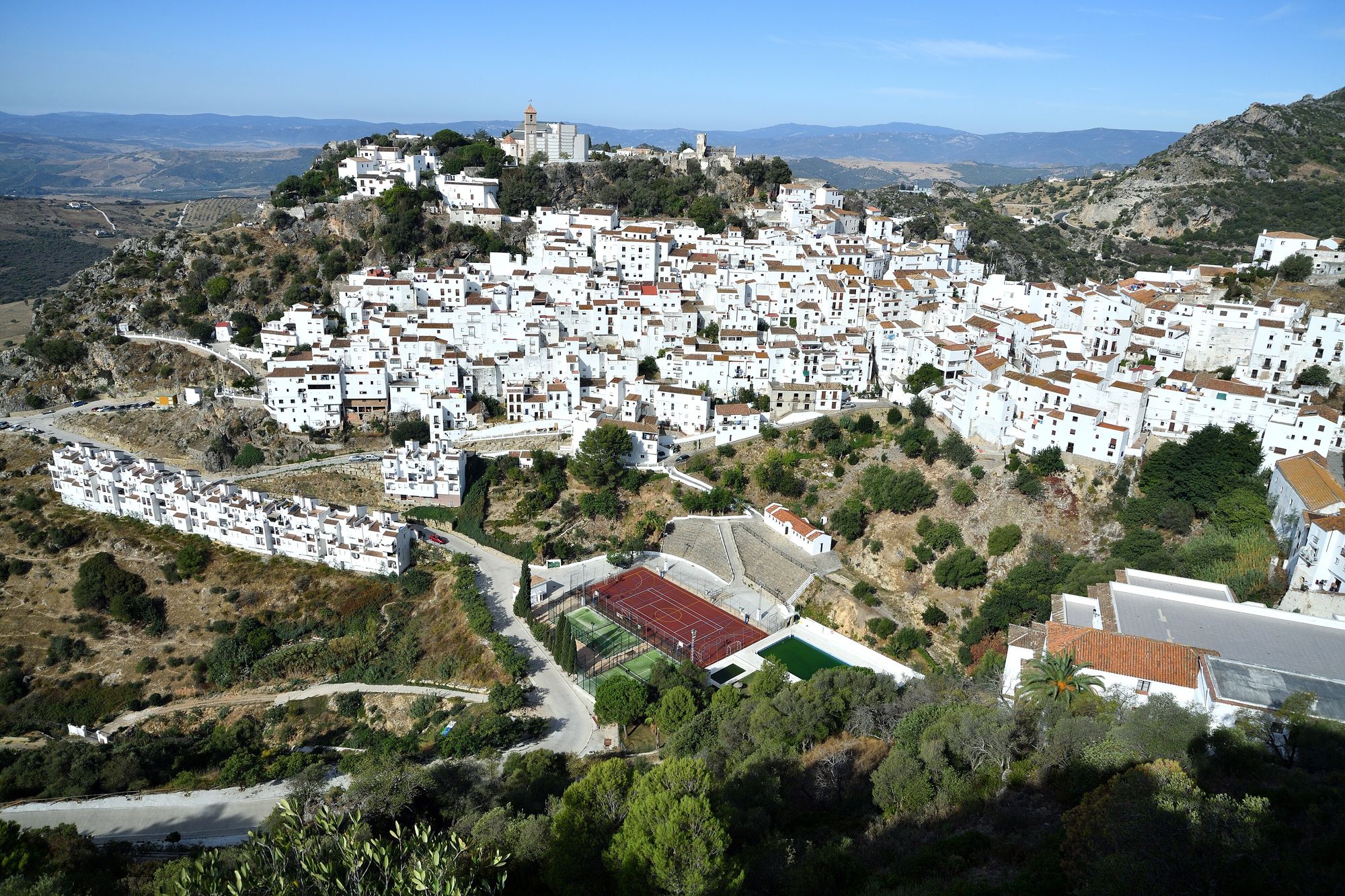
The municipality has three centres. Manilva village sits inland on the hill among vineyards, with the 18th-century church of Santa Ana and the town hall. Down on the coast, Sabinillas and San Luis de Sabinillas form the working seaside town with a promenade, shops and the Friday market; El Castillo grew around the 1767 fort; and Puerto de la Duquesa is a compact marina ringed by restaurants and pubs. Between them, urbanisations climb the hills on both sides of the A-7.
INE counts 18,165 residents (2025), but the town hall notes the number rises substantially in summer. Around the marina and the golf course English is the everyday language of many bars, reflecting British and Irish residents and visitors, while Manilva village and Sabinillas stay mostly Spanish.
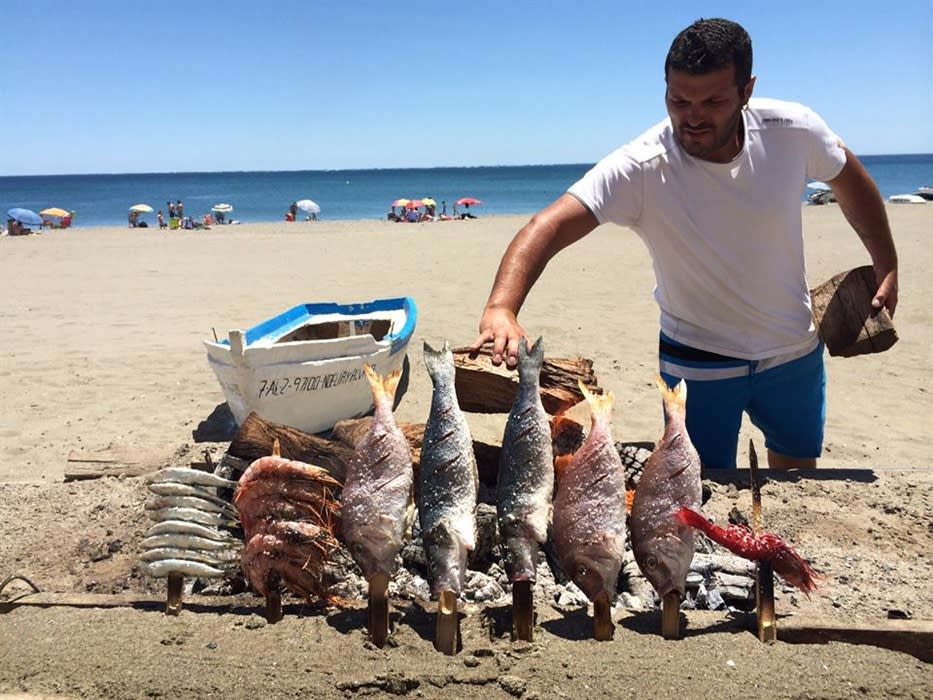
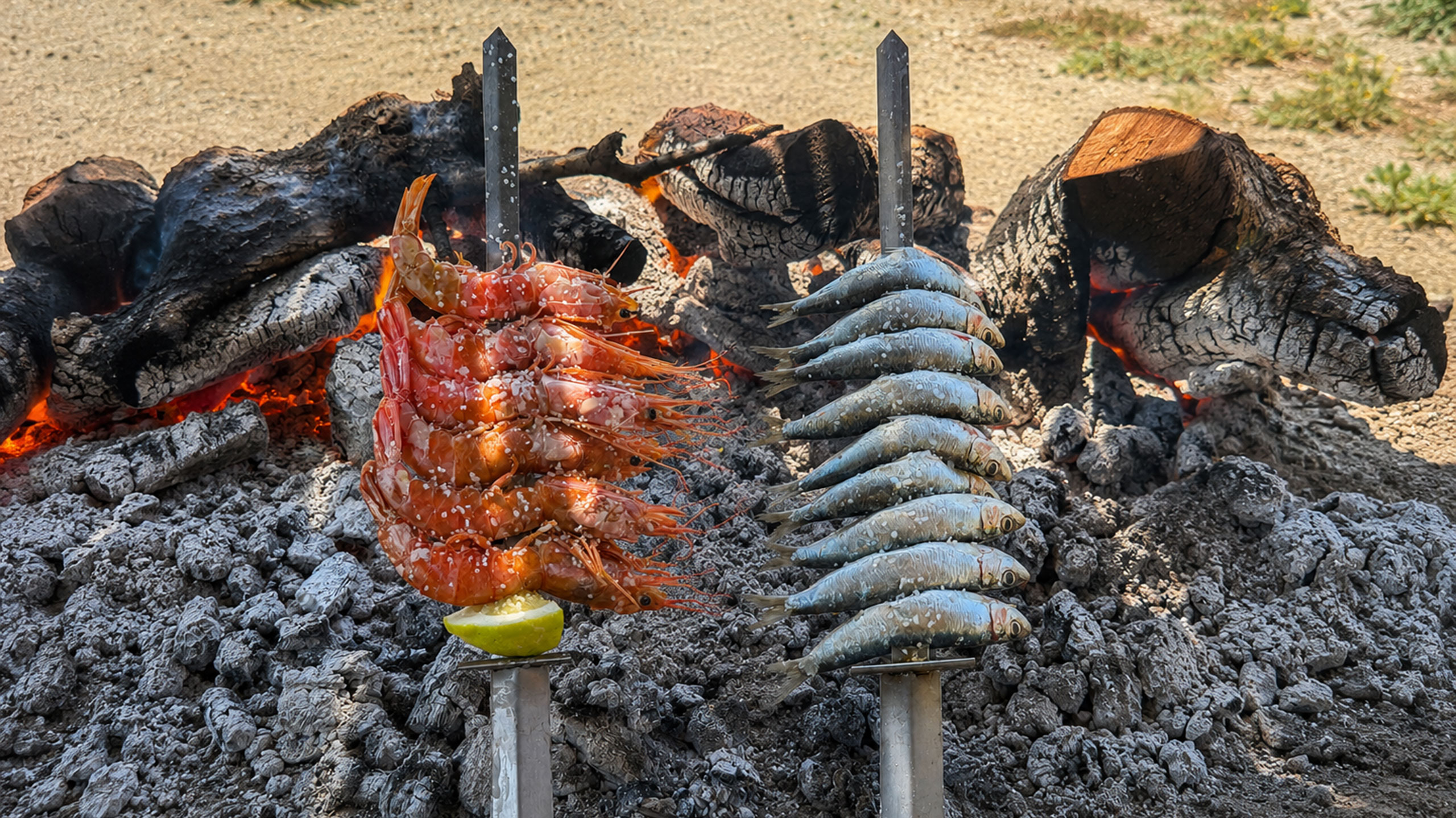
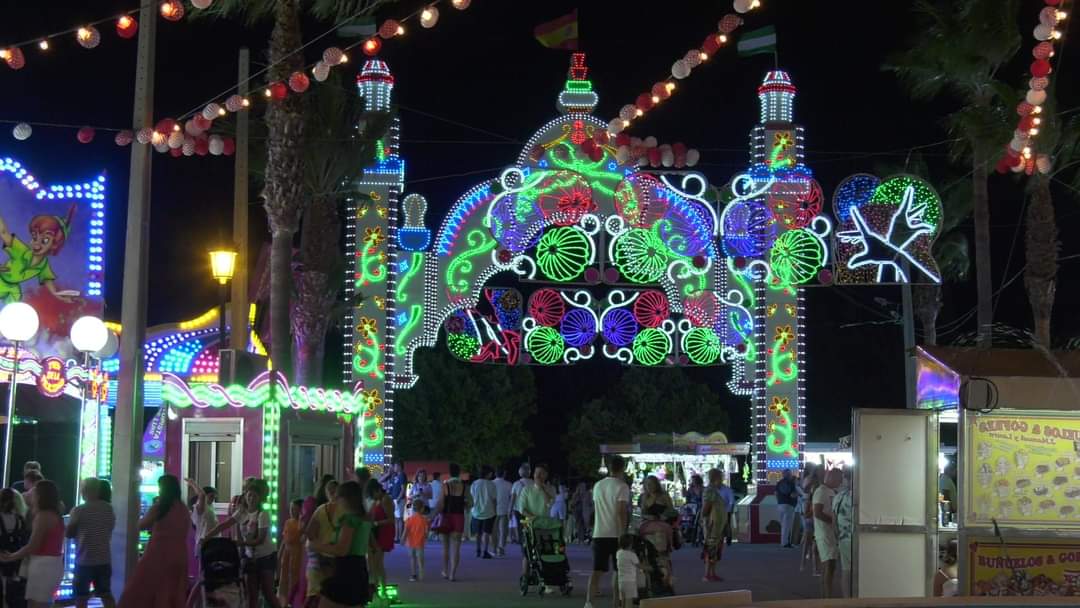
Summer is about the beach: Sabinillas fills with Spanish families, the espetos (sardine skewers) burn on chiringuito barbecues and the August feria runs for five nights. September brings the grape-harvest Vendimia in the village. Winter is quiet, with many seasonal apartments closed, though the marina pubs and Sabinillas tapas bars keep going year-round.
Downsides: a car is close to essential (there is no train), Málaga airport is well over an hour away, parking at Sabinillas beach is hard in summer, and the coast road N-340 runs right behind several beaches. Some urbanisations feel empty out of season.
Sabinillas (Blue Flag 2025 and 2026), Las Gaviotas (Blue Flag 2026) and quieter coves towards Punta Chullera.
La Duquesa Golf in the municipality; Doña Julia, Finca Cortesín and the Sotogrande courses within 15–20 minutes.
Pubs around the Duquesa marina and a seafront lounge bar in Sabinillas; no clubs.
Safe sandy beach at Sabinillas, three state primary schools and a secondary; international schools are in Sotogrande or Estepona.
Calm most of the year; busy only in July–August and around the marina.
Sabinillas and the Duquesa marina are walkable; the urbanisations on the hills are not.
Average €3,450/m² (Oct 2026), below Estepona and Marbella, with entry-level flats under €250k.
Strong British and Irish presence around Duquesa; Spanish life in Sabinillas and the village.
Live listings in Manilva at three very different budgets.


municipal average (all homes); San Luis de Sabinillas €3,330, Puerto de la Duquesa €4,411
for an 85 m² 2-bed (portal average €13/m², €14/m² in San Luis de Sabinillas, Oct 2026; −3.9% year on year)
| Home | From | To |
|---|---|---|
| 1–2 bed apartment, Sabinillas / La Duquesa hills (60–90 m²) | €180,000 | €300,000 |
| 2–3 bed apartment, Puerto de la Duquesa (80–120 m²) | €350,000 | €530,000 |
| townhouse (110–160 m²) | €350,000 | €530,000 |
| detached villa, El Castillo / Alcorrín (200–400 m²) | €810,000 | €1,970,000 |
Manilva is one of the cheaper coastal municipalities west of Marbella. The lowest averages are in the La Duquesa hill urbanisations (€2,952/m²) and Manilva village (€3,194/m²); Sabinillas is mid-range and walkable to everything. The marina (€4,411/m²) and the newer hillside villa zone of Alcorrín (€4,932/m²) are the dearest. Prices rose about 11% in the year to October 2026 while rents eased slightly. Figures are portal asking-price averages mixing all property types.
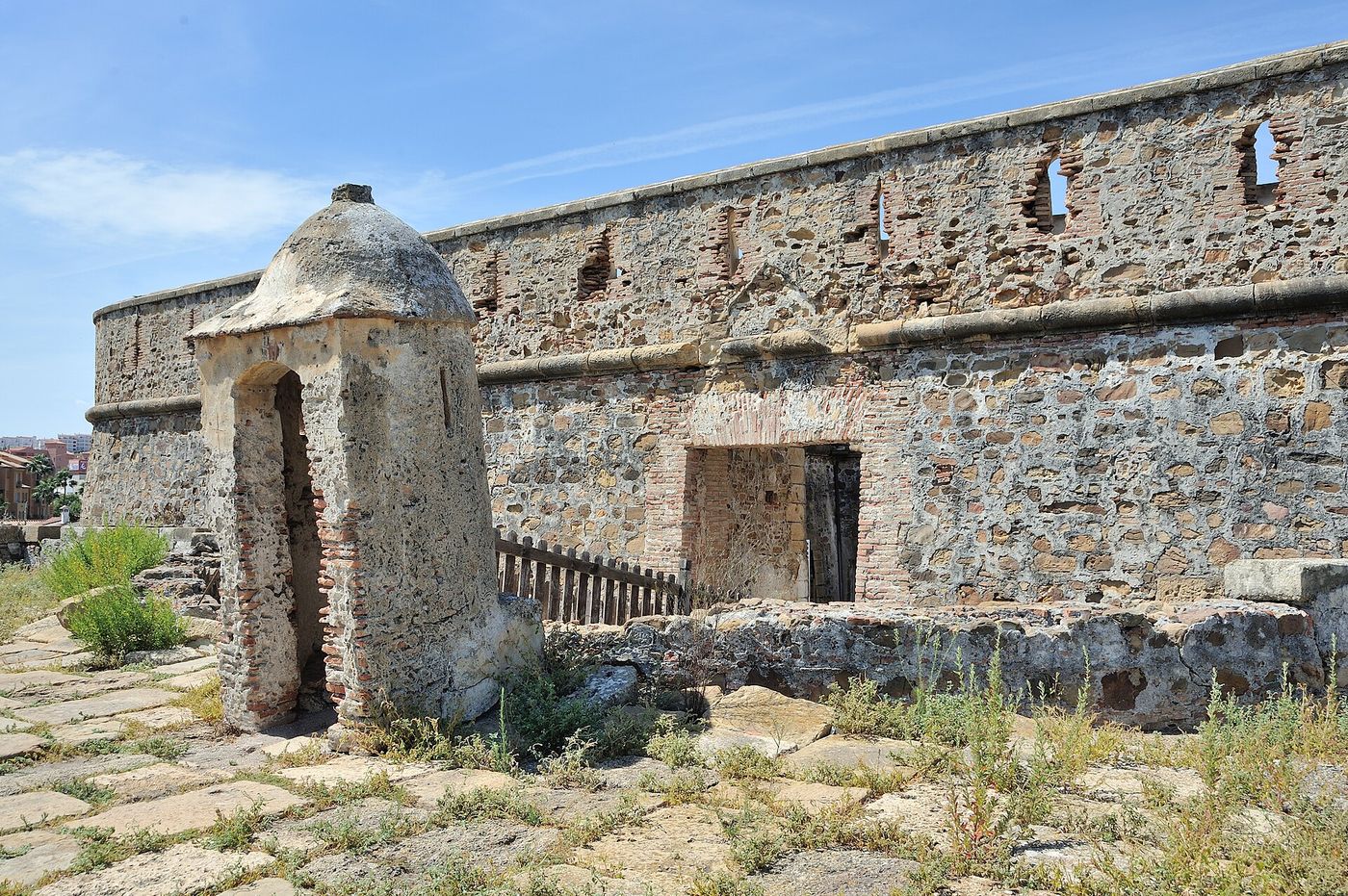
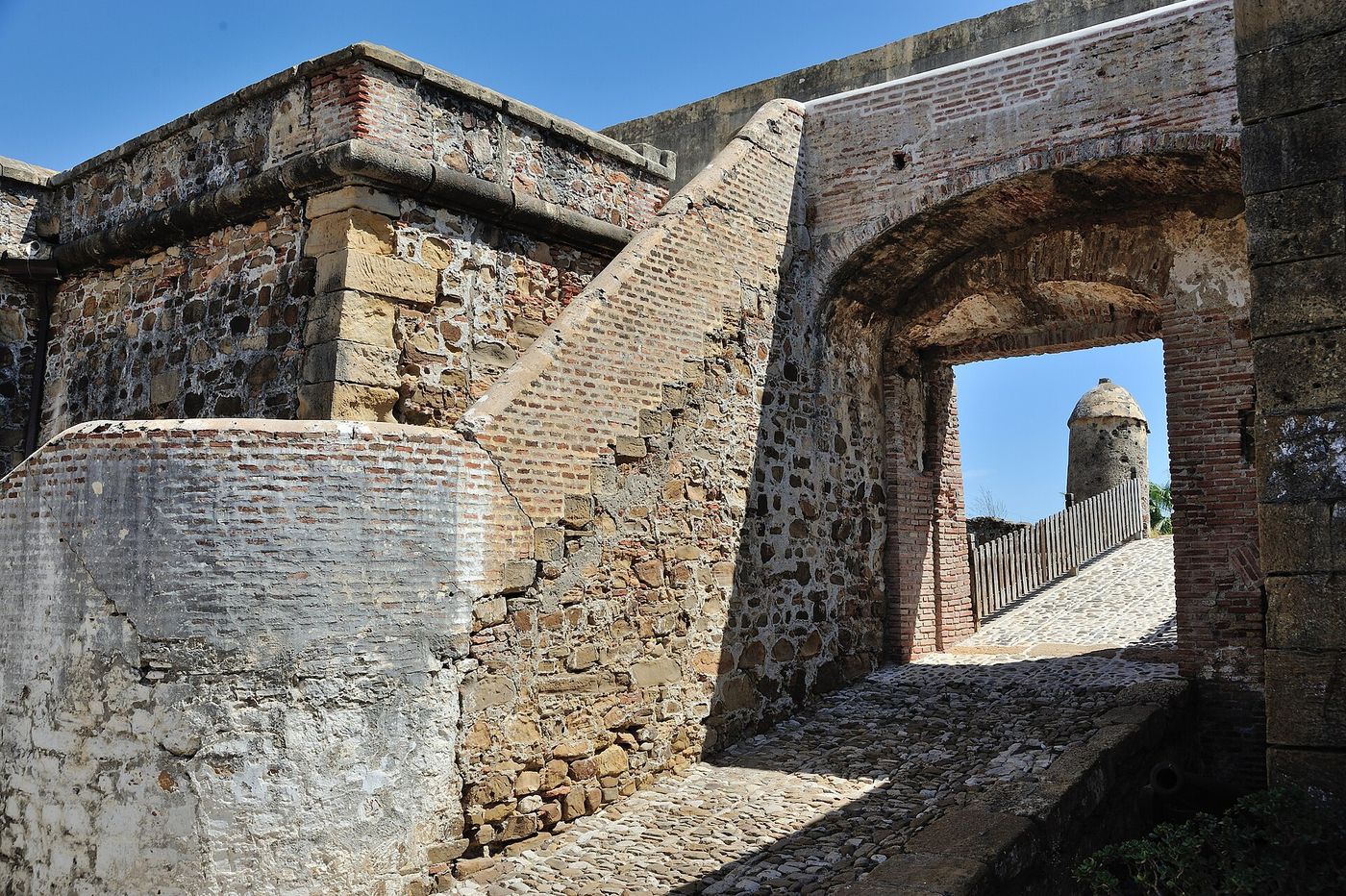
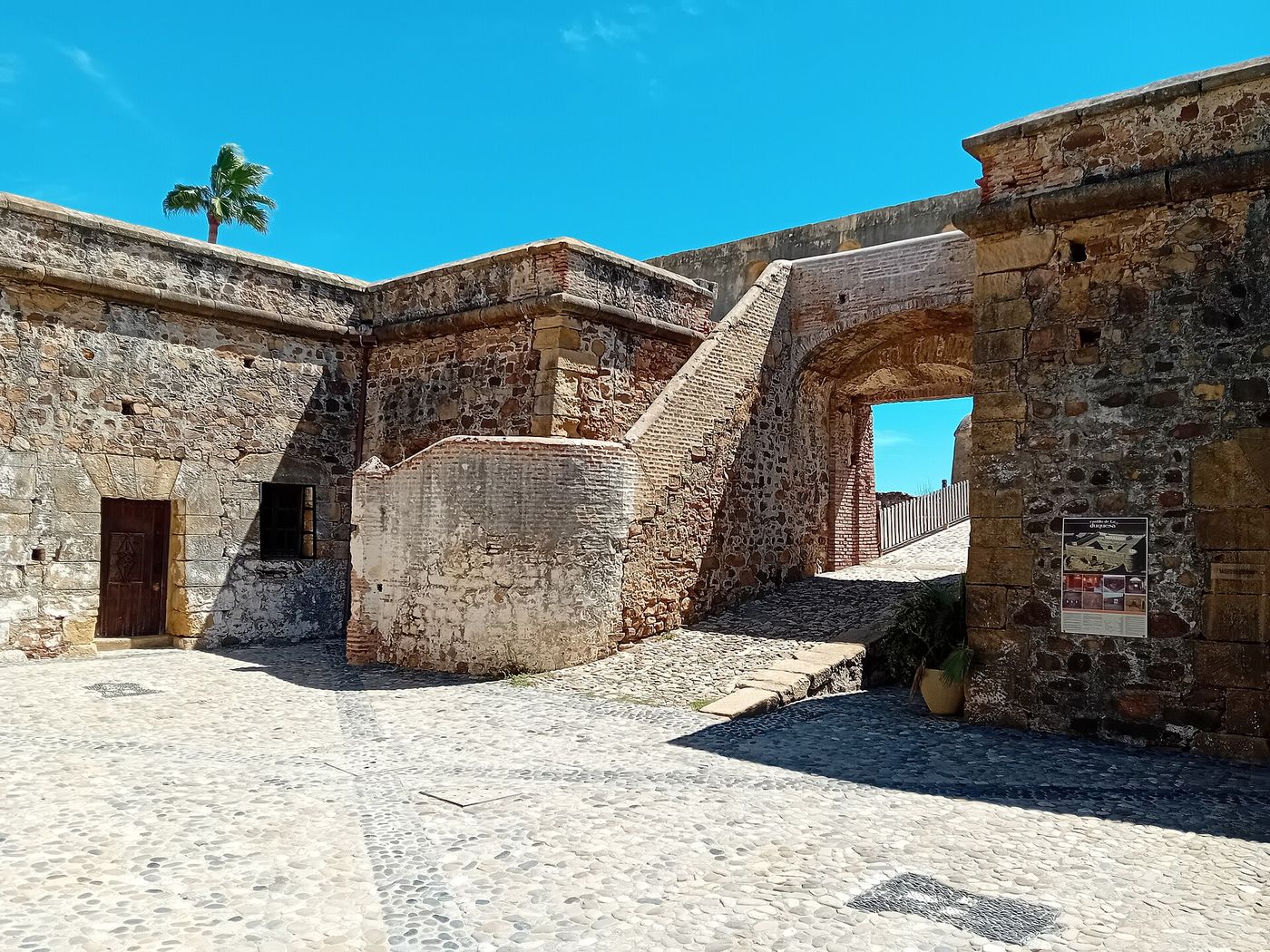
Photo: ZC.Marbella · CC BY-SA 4.0Manilva's coast has been lived on for almost three thousand years, and the 1767 fort at El Castillo is built from that past.
When the Castillo de la Duquesa went up in 1767, under Carlos III, to guard the coast, its builders took part of their stone from a Roman villa next door. The villa's remains, with baths, a necropolis and a fish-salting factory tied to tuna fishing from the 1st to the 5th century, are protected as a Bien de Interés Cultural, and the fort now houses the town's archaeological museum.
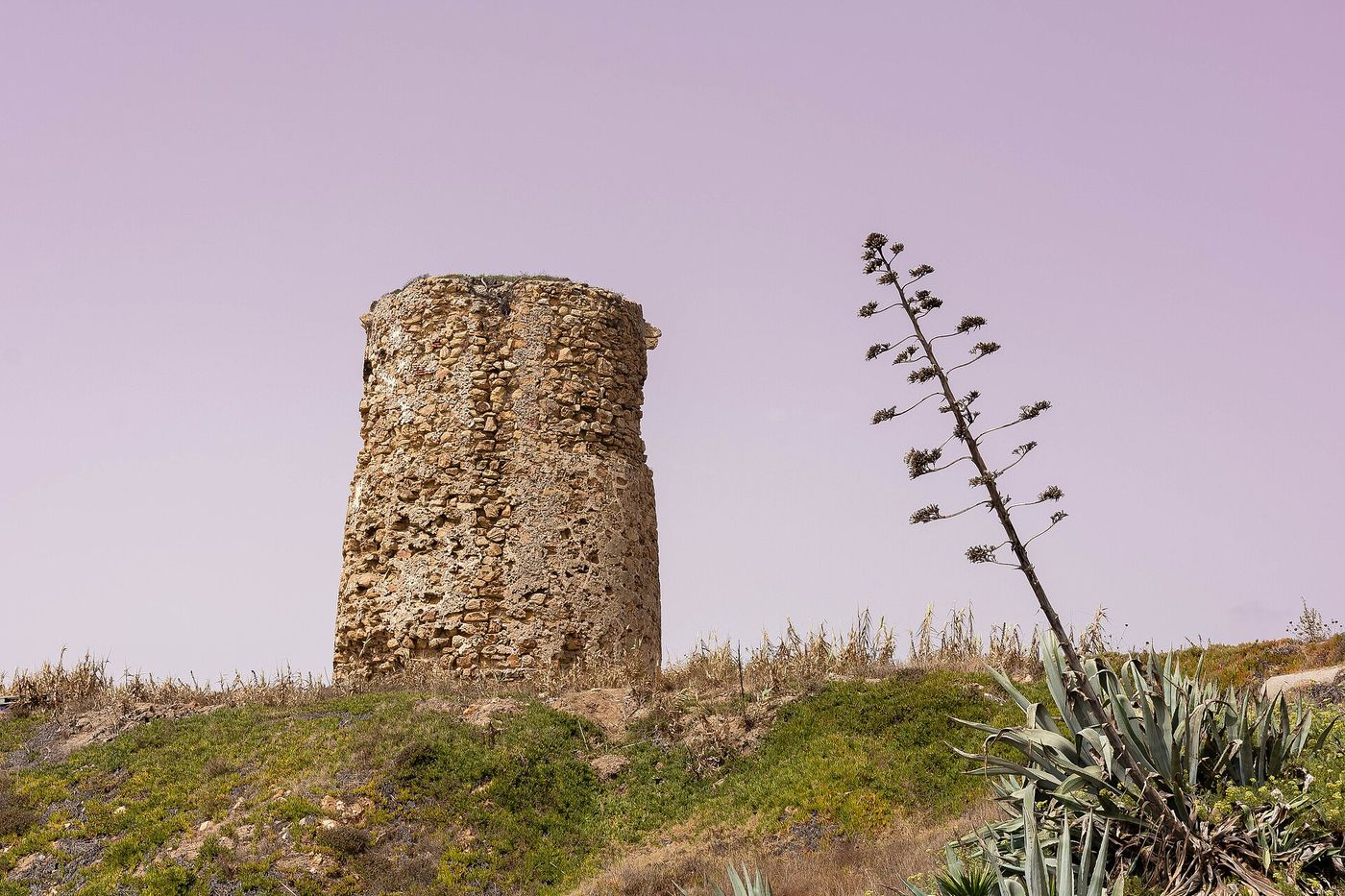
Older still is Los Castillejos de Alcorrín, a walled hill fortress of the 9th century BC that mixes local and Phoenician building methods, reached on the town hall's walking routes. On Punta Chullera, a Nasrid lookout tower already named in 1497 watches the sea towards Gibraltar. Back in the village, September's grape-harvest fiesta still ends with the treading of the grapes.
Spanish, everyday, walkable
The seaside town: promenade, Calle Duquesa de Arcos with its bars, the health centre, schools and the Friday market, behind a Blue Flag beach where fishing boats are still launched.
Traditional, village life
Hill village 3 km inland among vineyards, with the Santa Ana church, the town hall, a sports complex and the September Vendimia; quieter and more traditional than the coast.
Lively, international, holiday
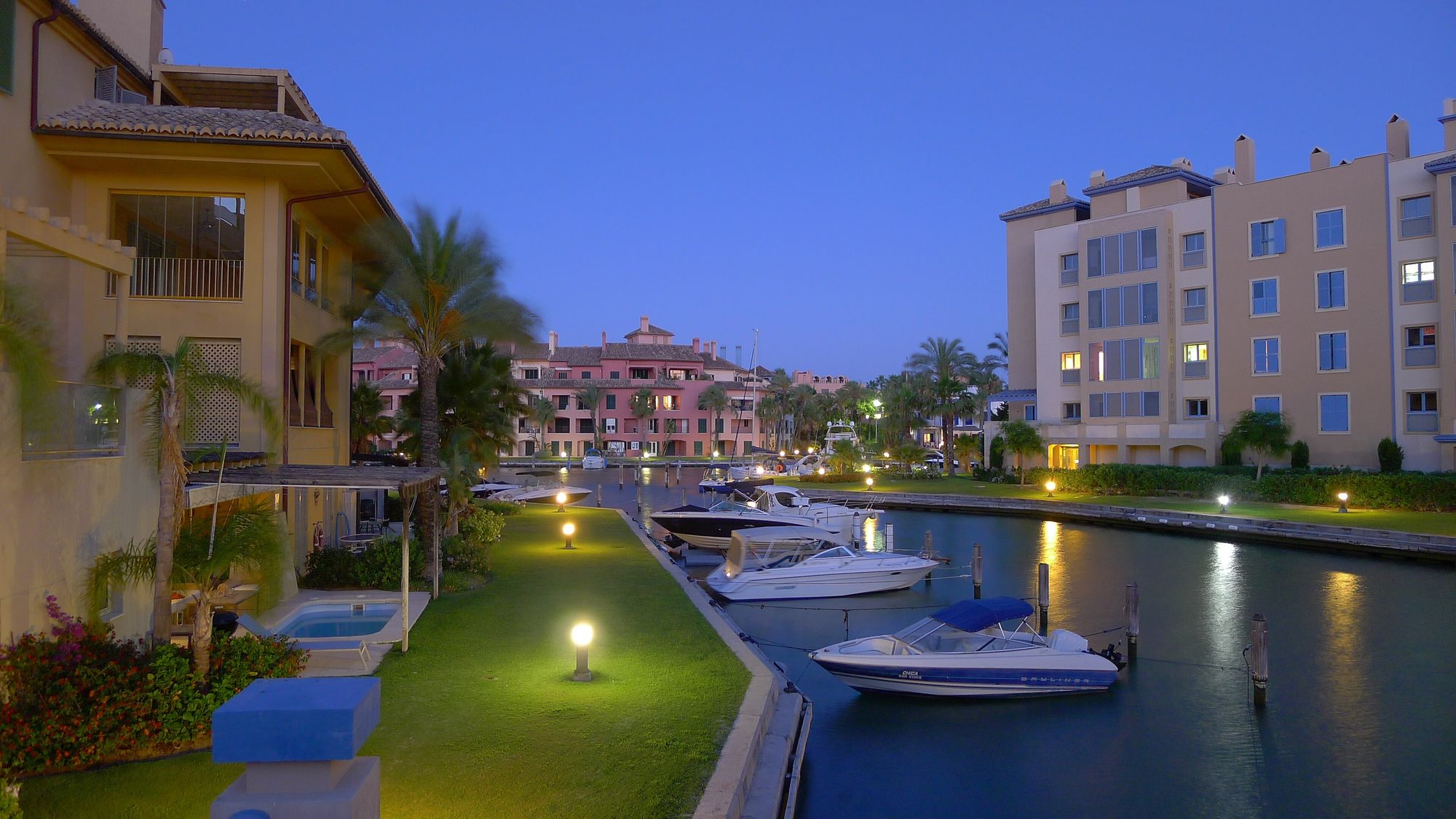
Small marina with apartments around the basin and squares of restaurants and pubs; the most expensive zone per m² on the coast.
State infant and primary school in the middle of Sabinillas, on Calle Pérez Galdós.
State primary school in Manilva village, on Calle Ocaña.
The municipality's state secondary school, on the Peñoncillo road between Sabinillas and Manilva village, with ESO, science and humanities Bachillerato and vocational courses; school transport.
Public health centre on Avenida de Andalucía; the town hall lists a separate urgent-care number (607 31 99 99). The nearest hospital is in Estepona.
Health centre in Manilva village (tel. 952 89 24 51 per the town hall).
Grill restaurant on the Duquesa marina with careful plating and quality meat; a step up from the port's pub food.
Indian restaurant in the Los Hidalgo centre at El Castillo, one of the most-reviewed places in Manilva, with staff who advise on dishes.
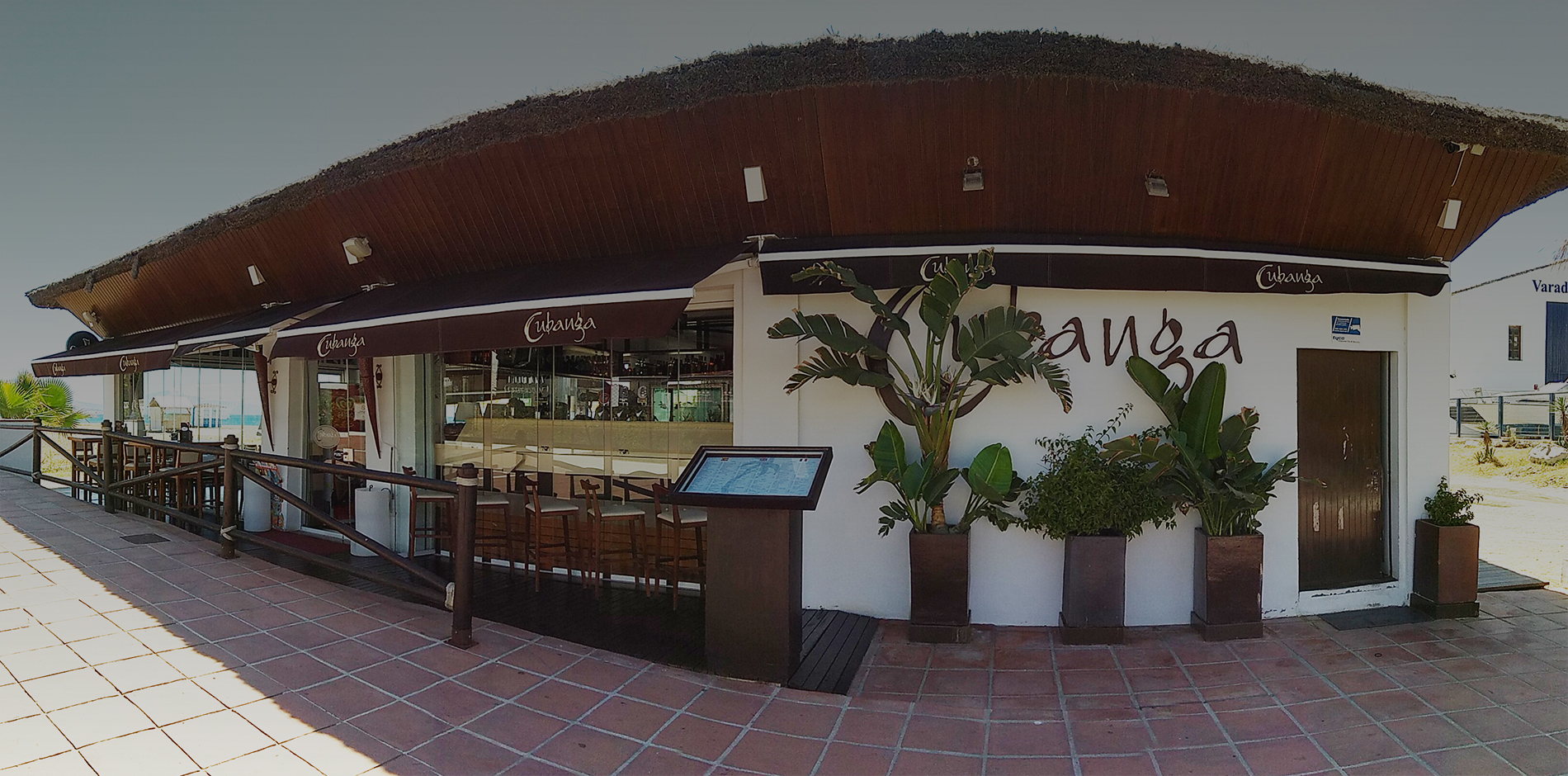
Promenade restaurant facing Sabinillas beach: sardines grilled over wood, swordfish, generous portions and home-made desserts; full on Friday nights.
Bar-bistro on Calle Delfín with marina views, screens for football and Formula 1, and a Sunday roast.
Belgian beer bar at Duquesa with a long beer list, Belgian sausages and fries, and burgers; calm square-side terrace.
Sea-facing lounge bar on the Sabinillas front, always lively in the evening, with live shows on some nights.
Beach restaurant on the east side of the Duquesa marina with a DJ in summer and a €20 menu of steak or mussels, fries and a glass of wine.
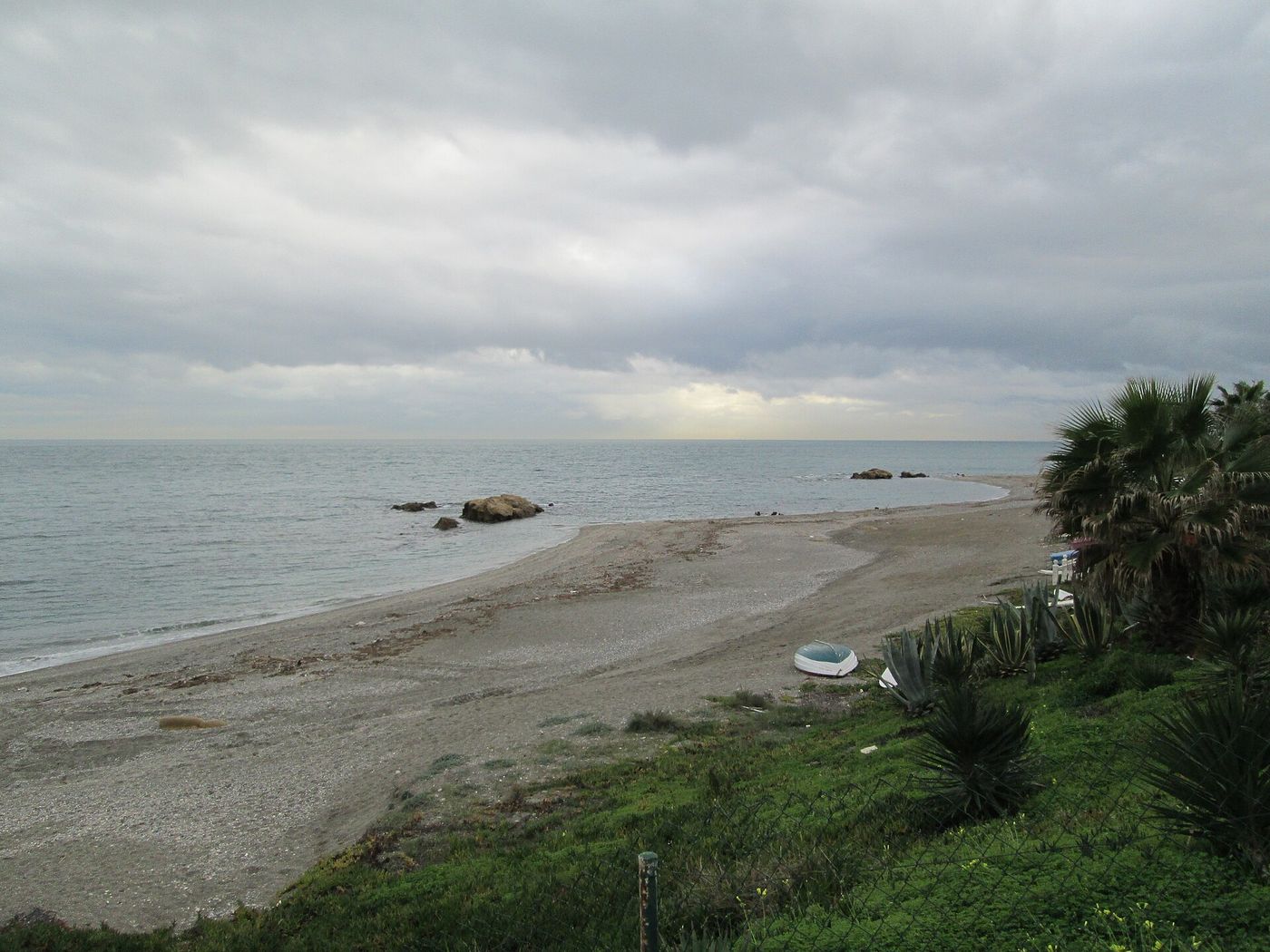
Main town beach from the Duquesa marina to the Manilva river, with fishermen's boats on the sand and chiringuitos grilling sardine espetos; the busiest beach in summer.
Sandy bays either side of the marina, rocky near the castle; the Las Gaviotas stretch gained a Blue Flag in 2026. Summer water sports run on the Sabinillas side of the port.
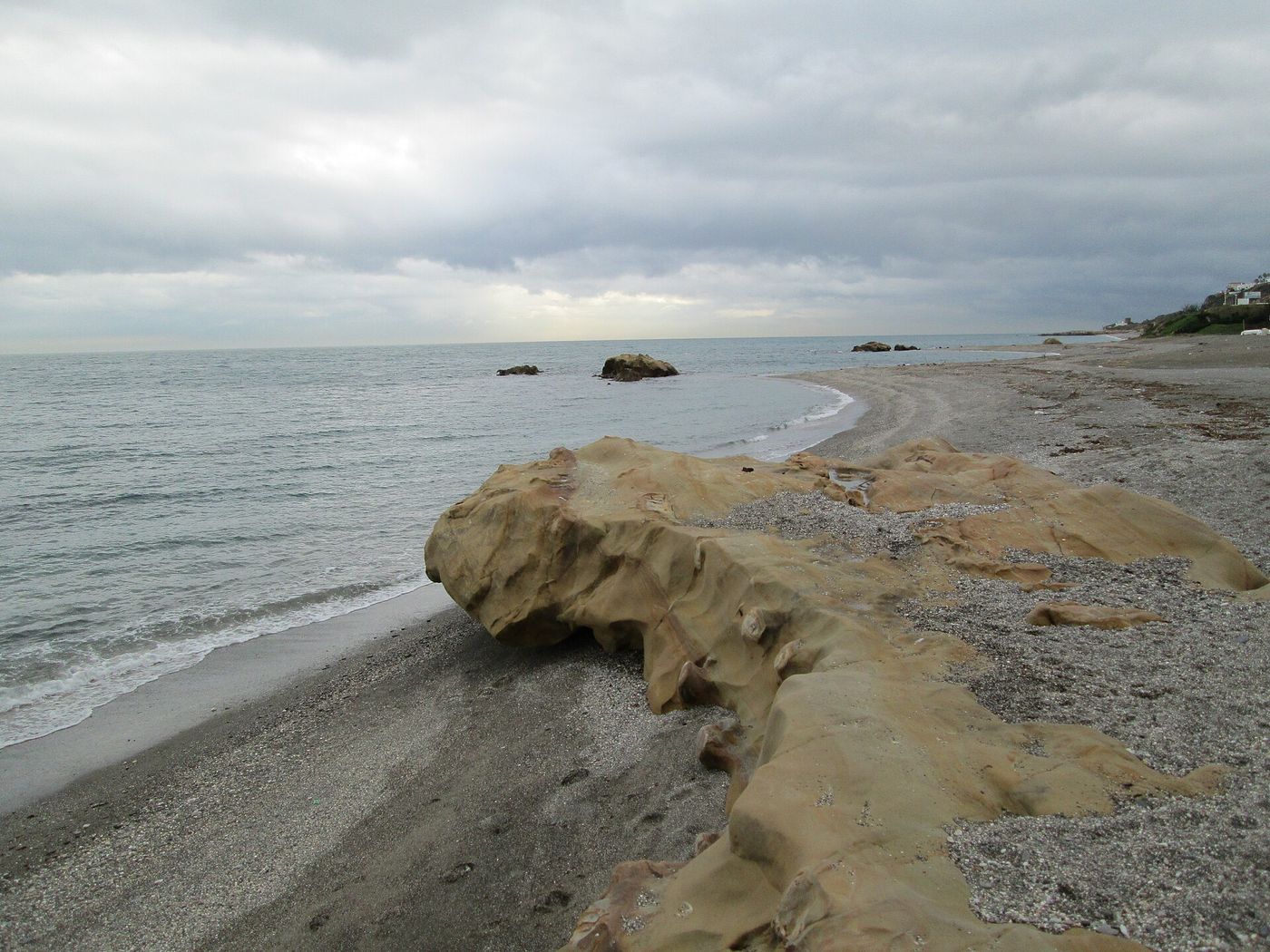
Beach backed by smooth hills, on an old tuna route where tunny nets were once set.
Chiringuito in the quiet cove of Playa de los Toros known for its paella; sunbeds cost about €10 each and the beach is shells and pebbles.
Family-run chiringuito on the Castillo–Duquesa beach next to the marina; fried anchovies (boquerones) are the thing to order.
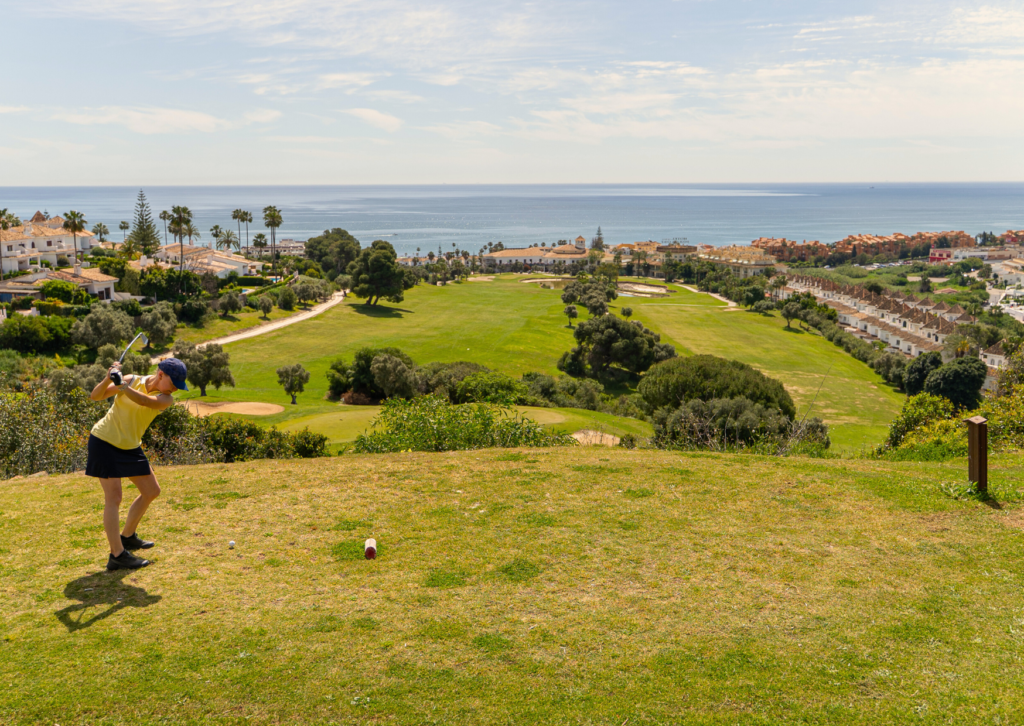
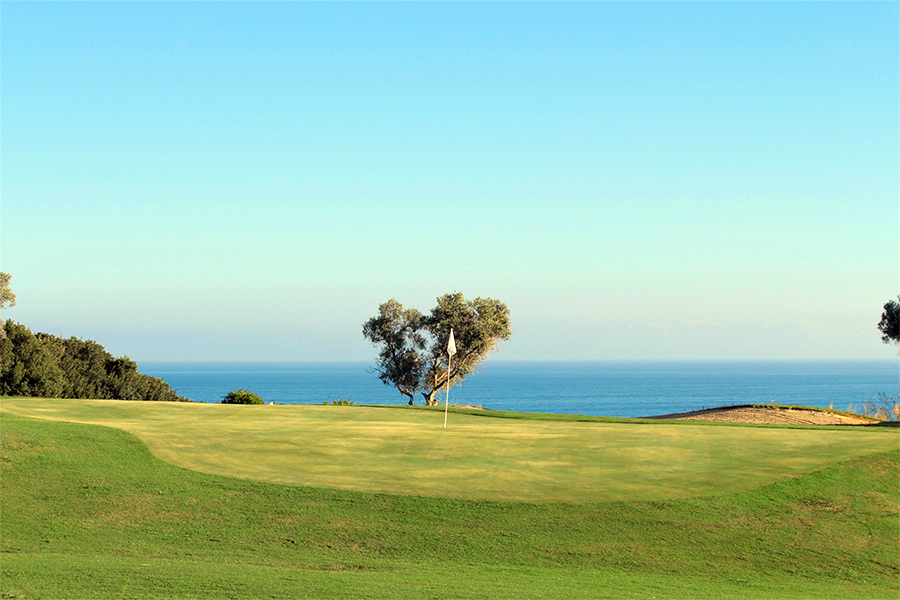
Robert Trent Jones course open since 1986 with a hotel and a newly opened clubhouse; visitors book online and 9-hole rounds are possible.
Municipal sports complex in Manilva village next to the Las Viñas football ground.
Robert Trent Jones design, open since 1986; 9-hole play available; hotel on site; new clubhouse open while the course is being improved.
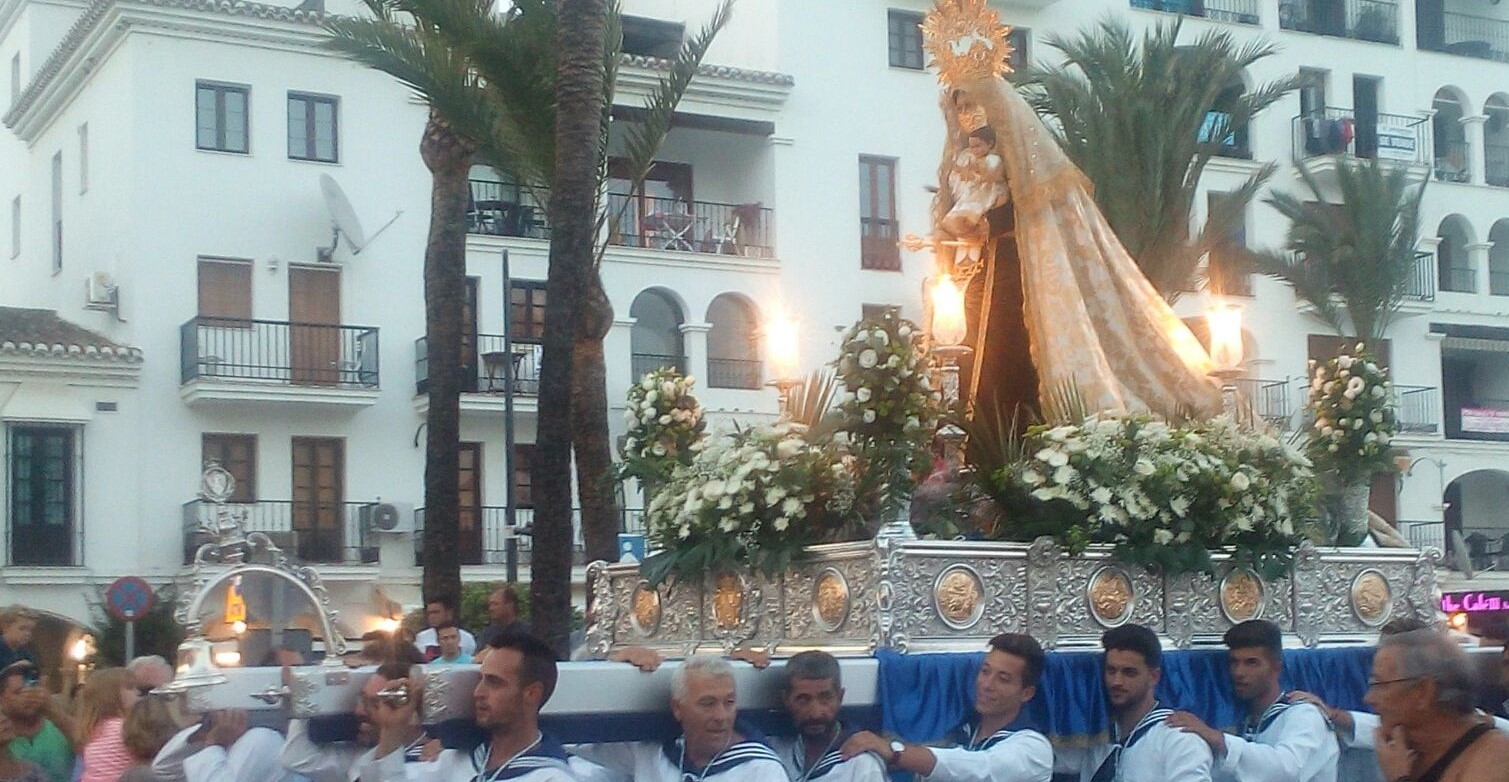
July fiestas for the fishermen's patron saint in El Castillo and Sabinillas, with a maritime procession.
Bastioned coastal fort built in 1767 under Carlos III, partly from stone of a Roman villa; it now houses the municipal archaeological museum with finds from the Roman site and from Los Castillejos de Alcorrín.
Remains of a 1st–5th-century villa, baths, necropolis and fish-salting factory linked to tuna fishing, next to the fort; a Bien de Interés Cultural.
Two lookout towers on Punta Chullera, the older one from the Nasrid period and already named in 1497; good views west to Gibraltar.
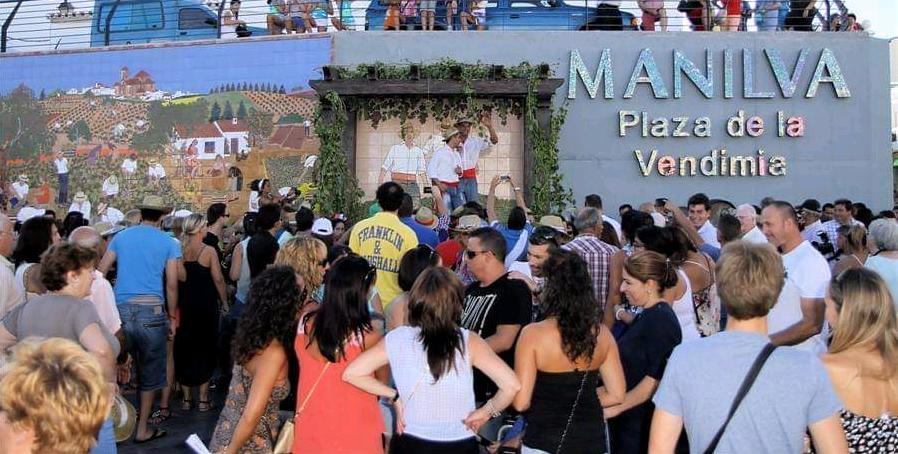
Grape-harvest fiesta in Manilva village (5–6 Sept 2026): offering of grapes, horsemen's parade, day fair on Calle Mar and, at 19:00 on Sunday, the grape treading in Plaza de la Vendimia with the first must to taste.
Santa Ana patronal fiestas in late July, then the big feria (6–10 Aug 2026) with casetas, rides, concerts and a children's day; entry free.
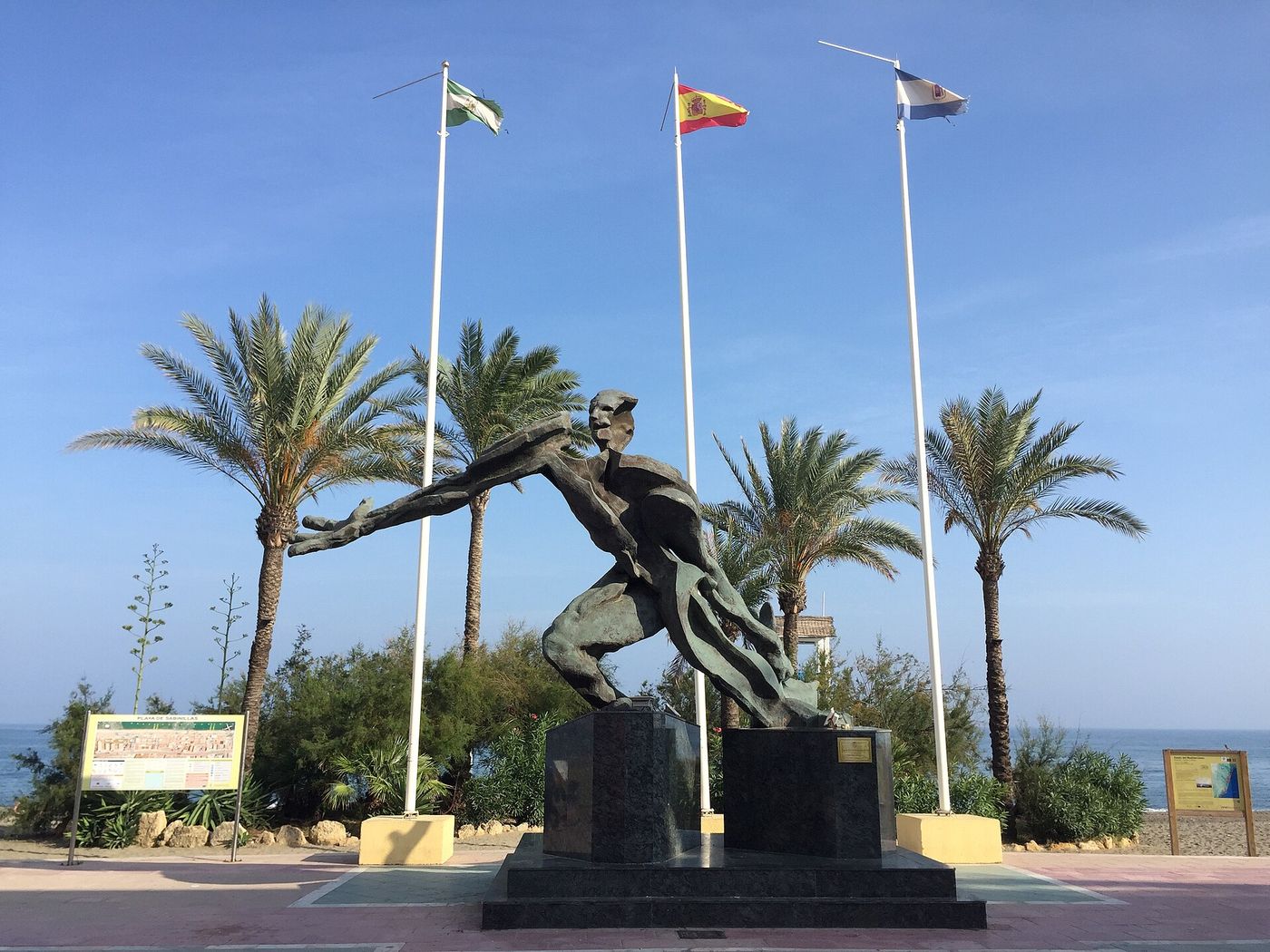
Sabinillas' main street parallel to the beach, with bakeries, bars, shops and the fishermen's statue.
Weekly street market on Fridays from 9:00 to 14:00 in Sabinillas and Manilva: fruit, clothes and household goods.
Answered from this guide: its sources and its maps.
We can tell you which streets suit the way you live, what is on the market there that has not reached the portals, and what it should really cost.
Researched on the web in November 2026; every place was checked as open. Photographs from Wikimedia Commons and Flickr, used under the licences shown, and from the places' own websites and official tourism pages, credited on each card.