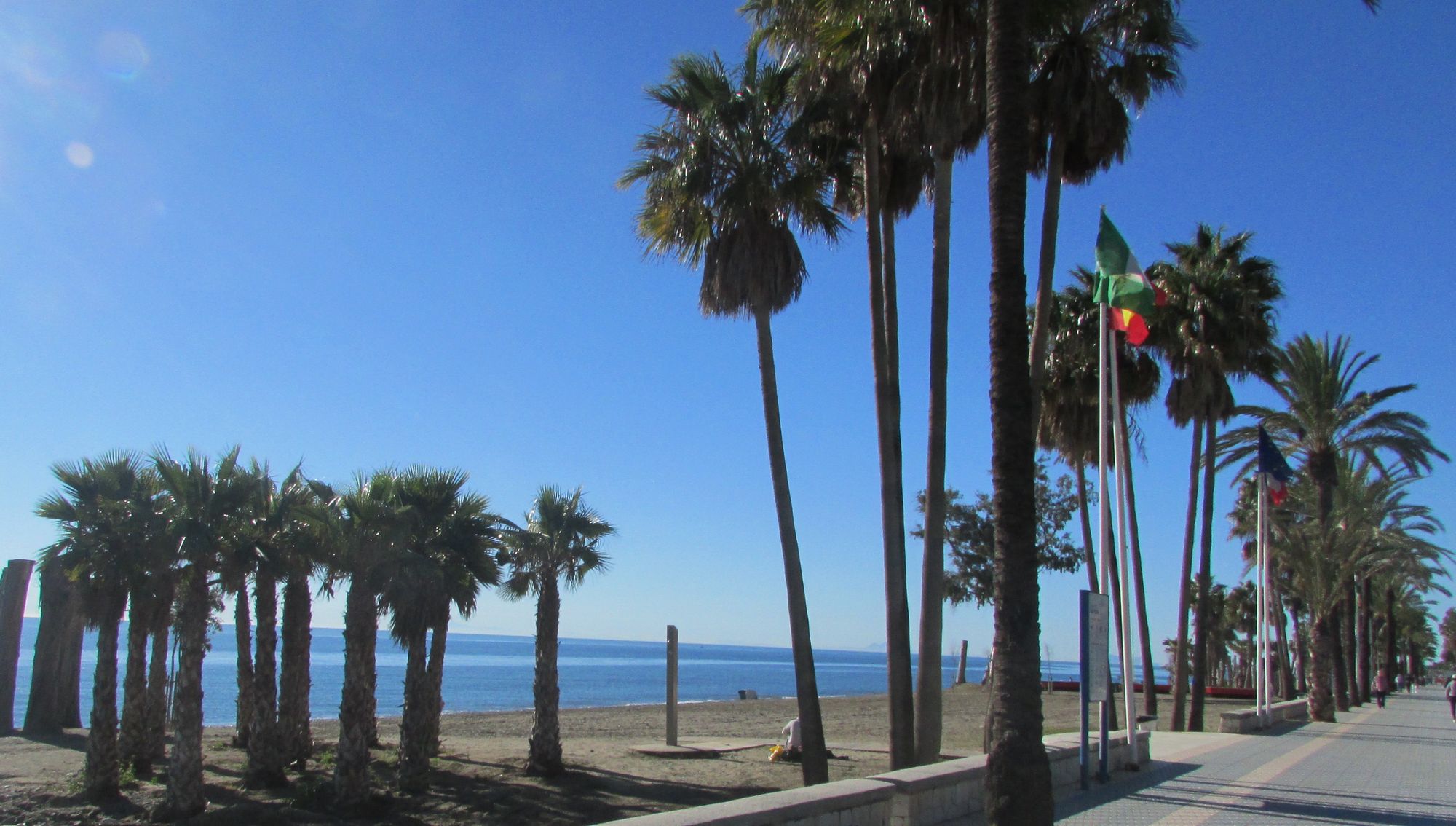
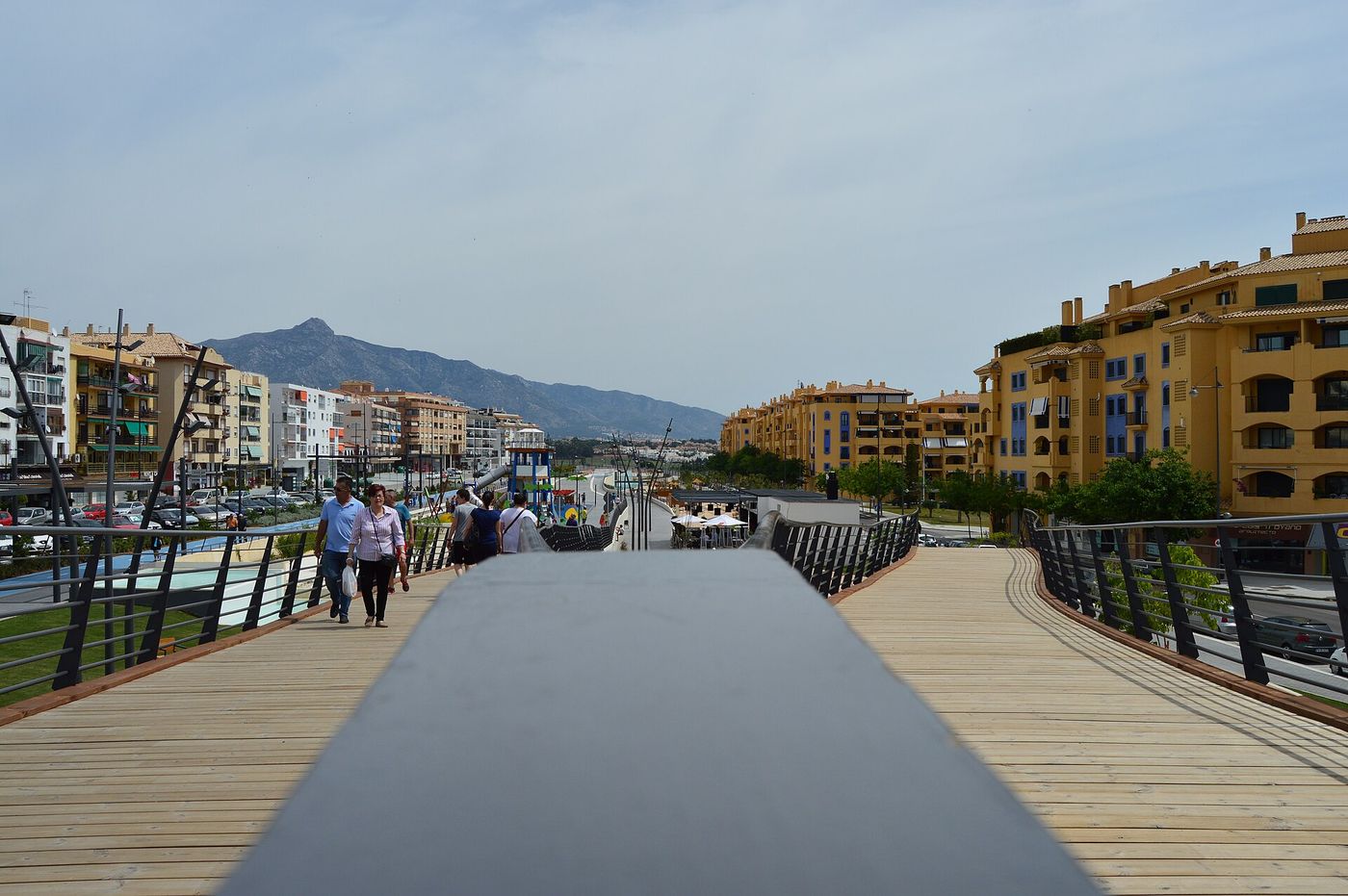
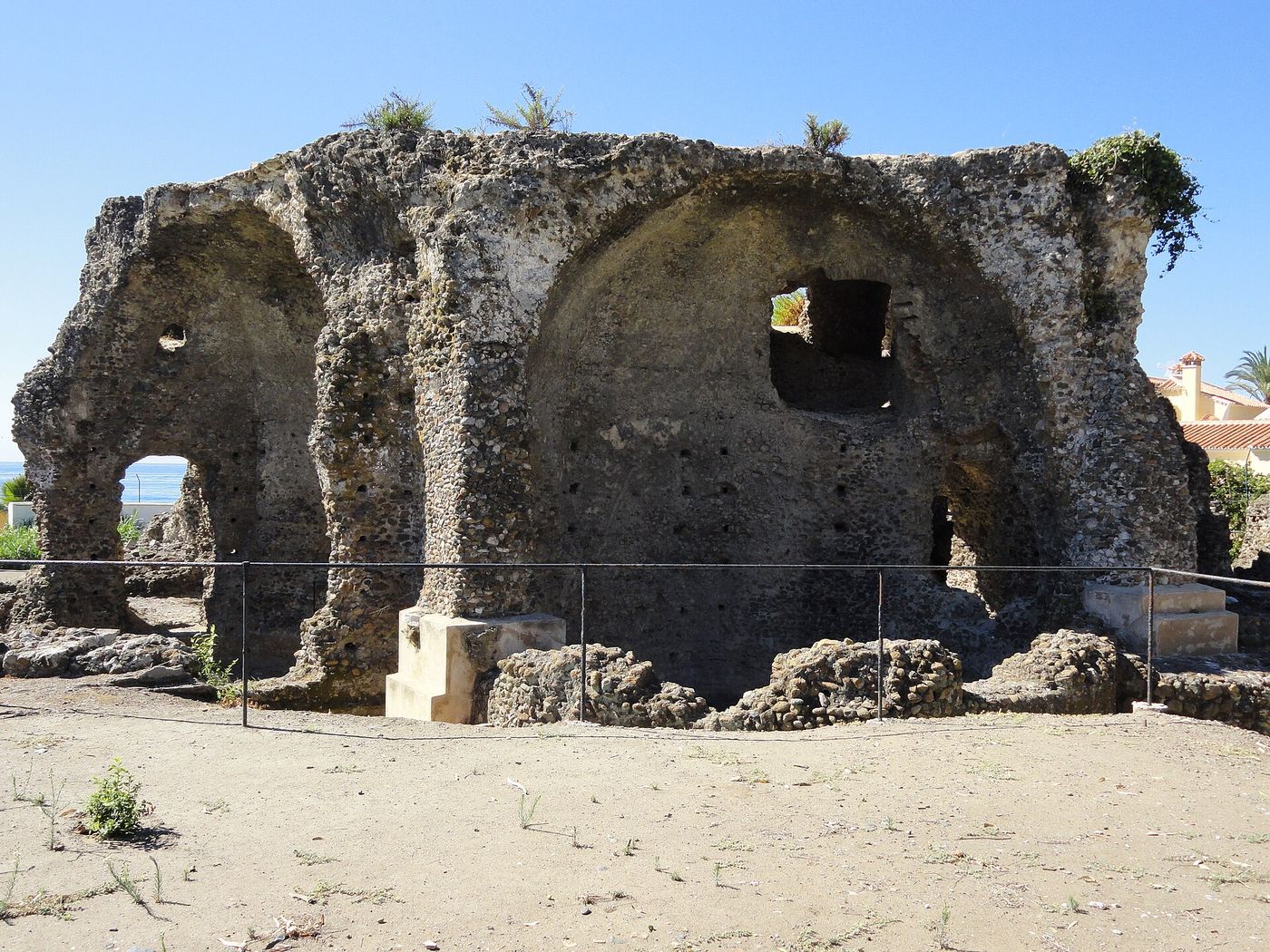
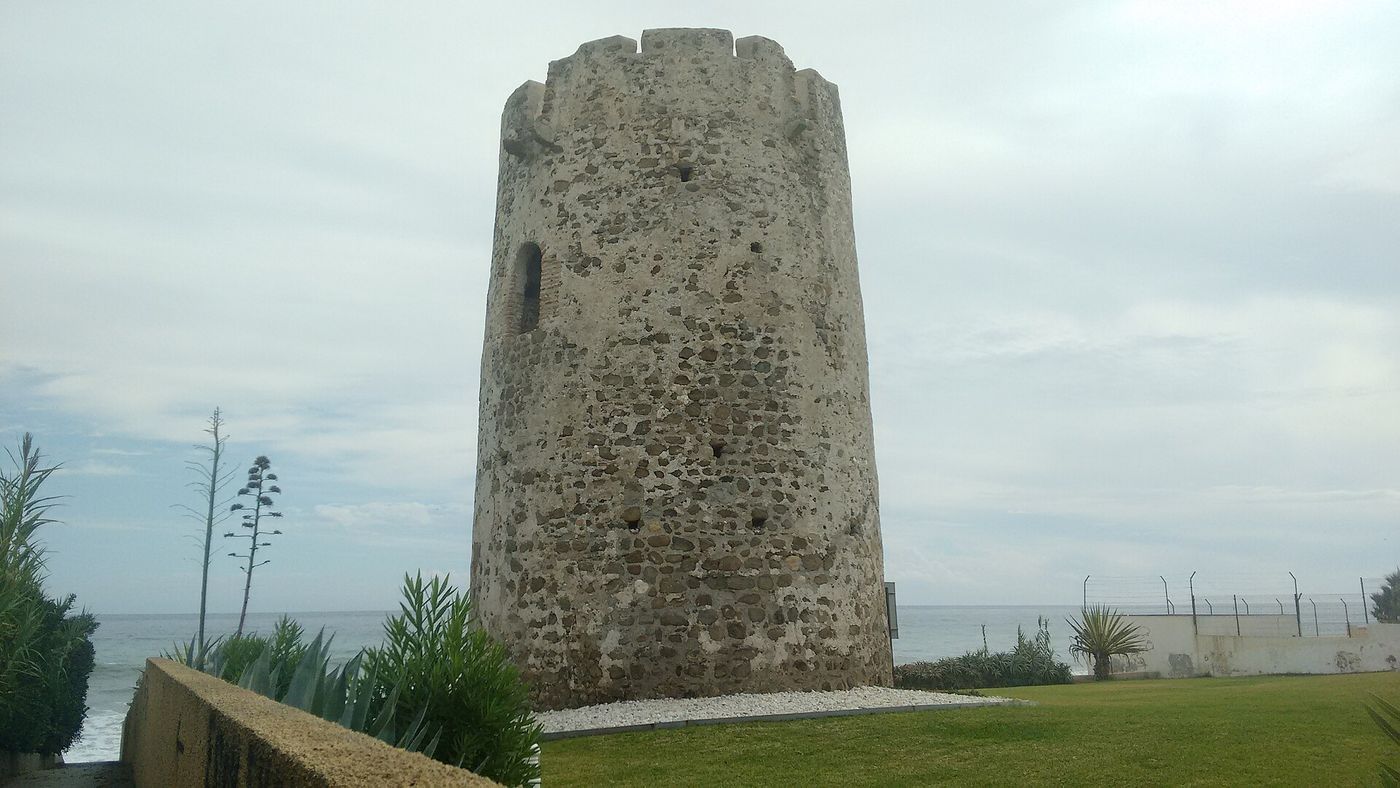
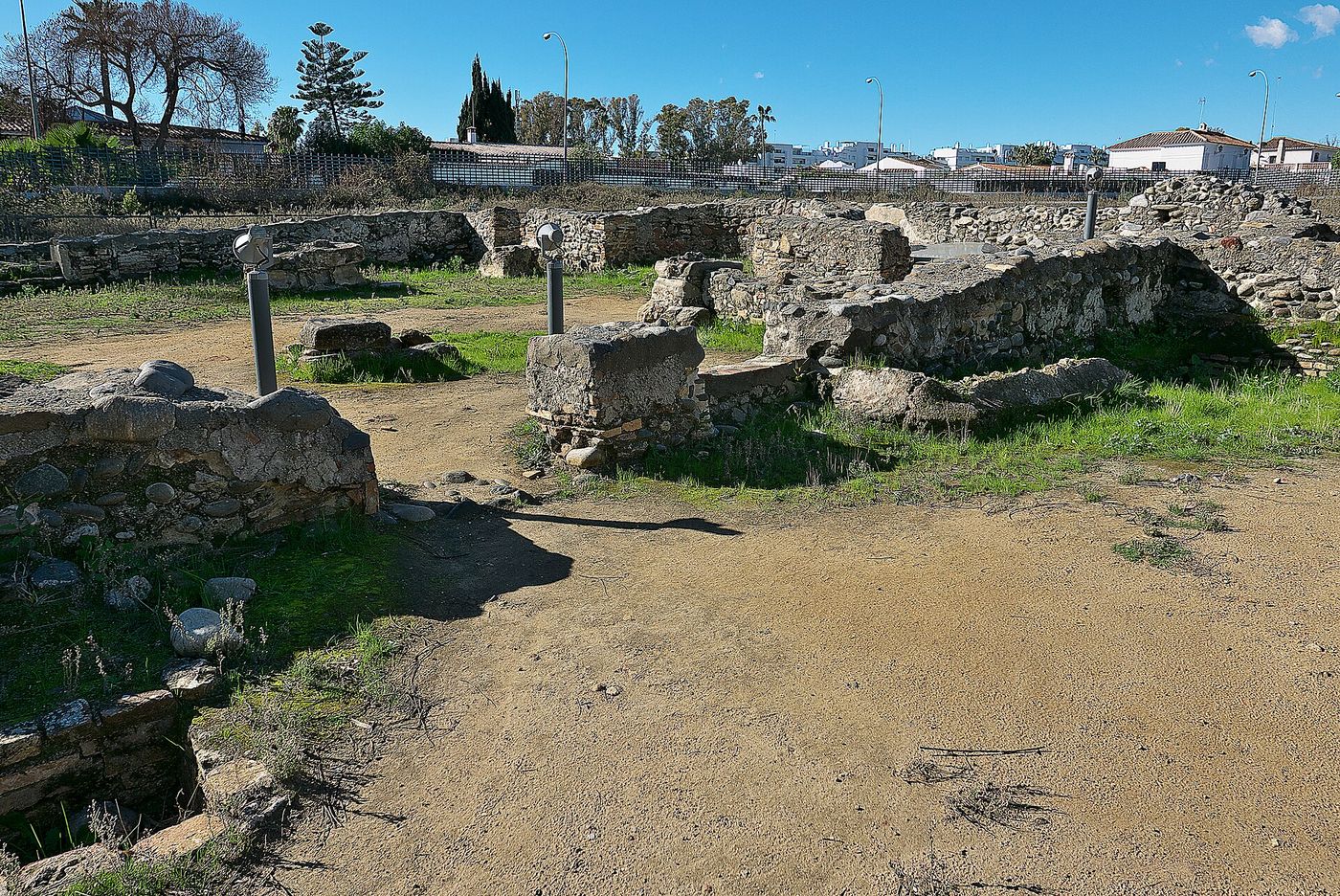
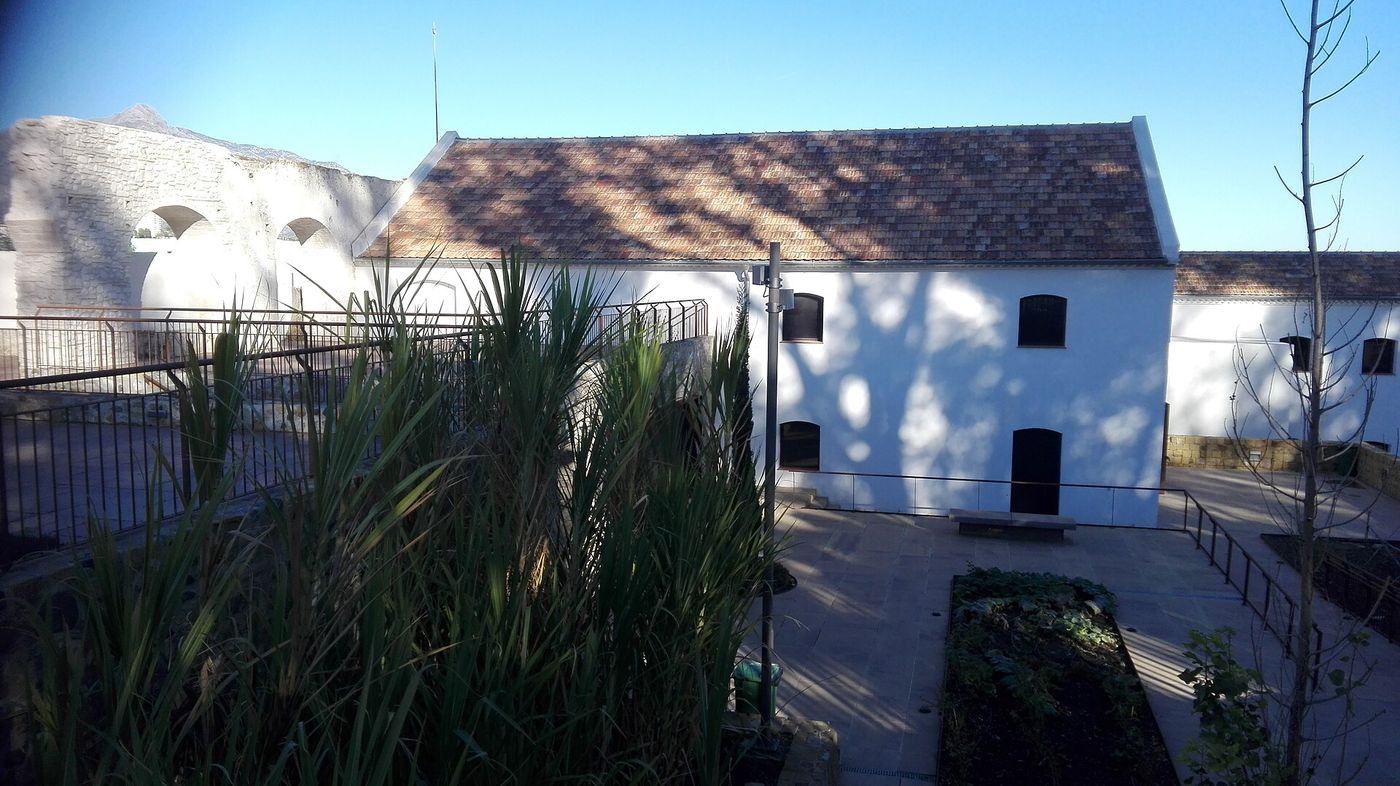
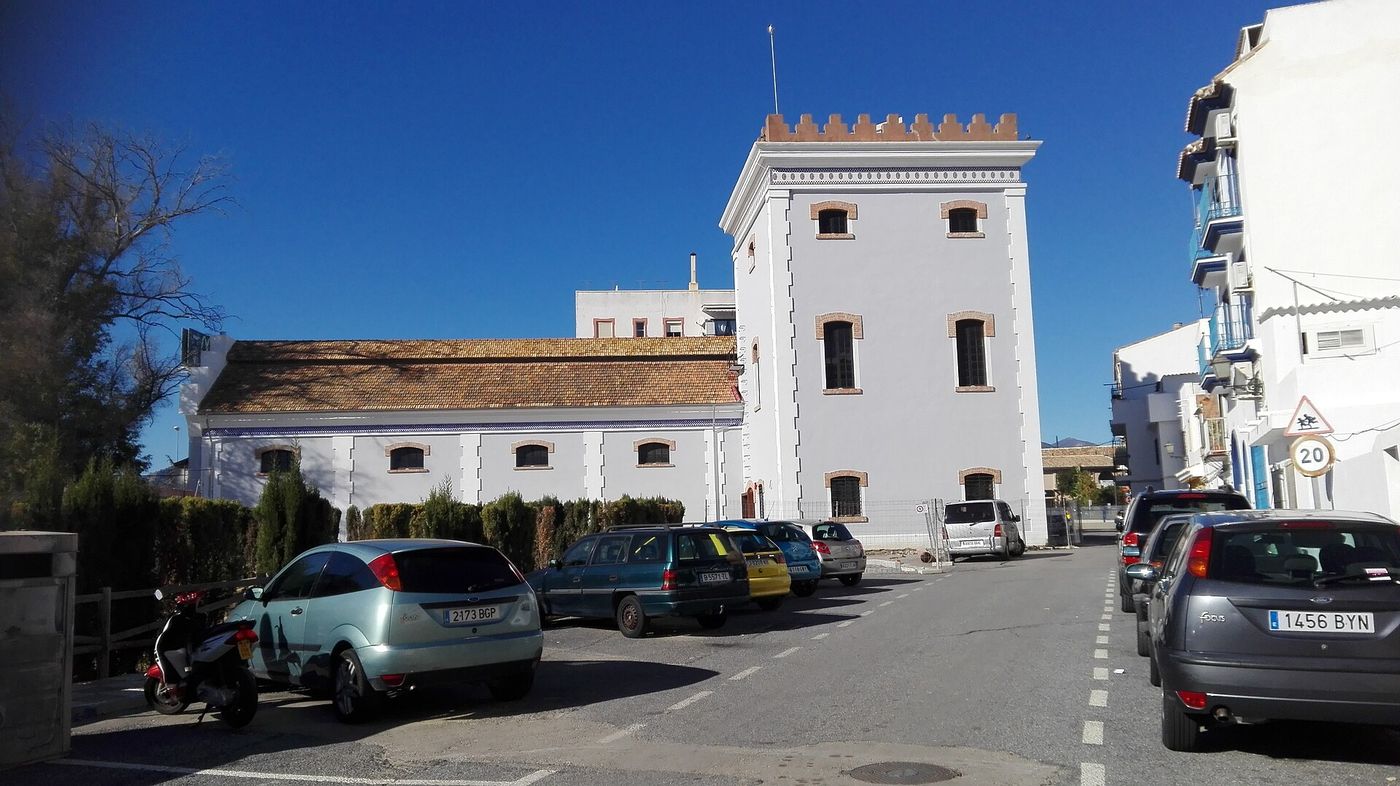
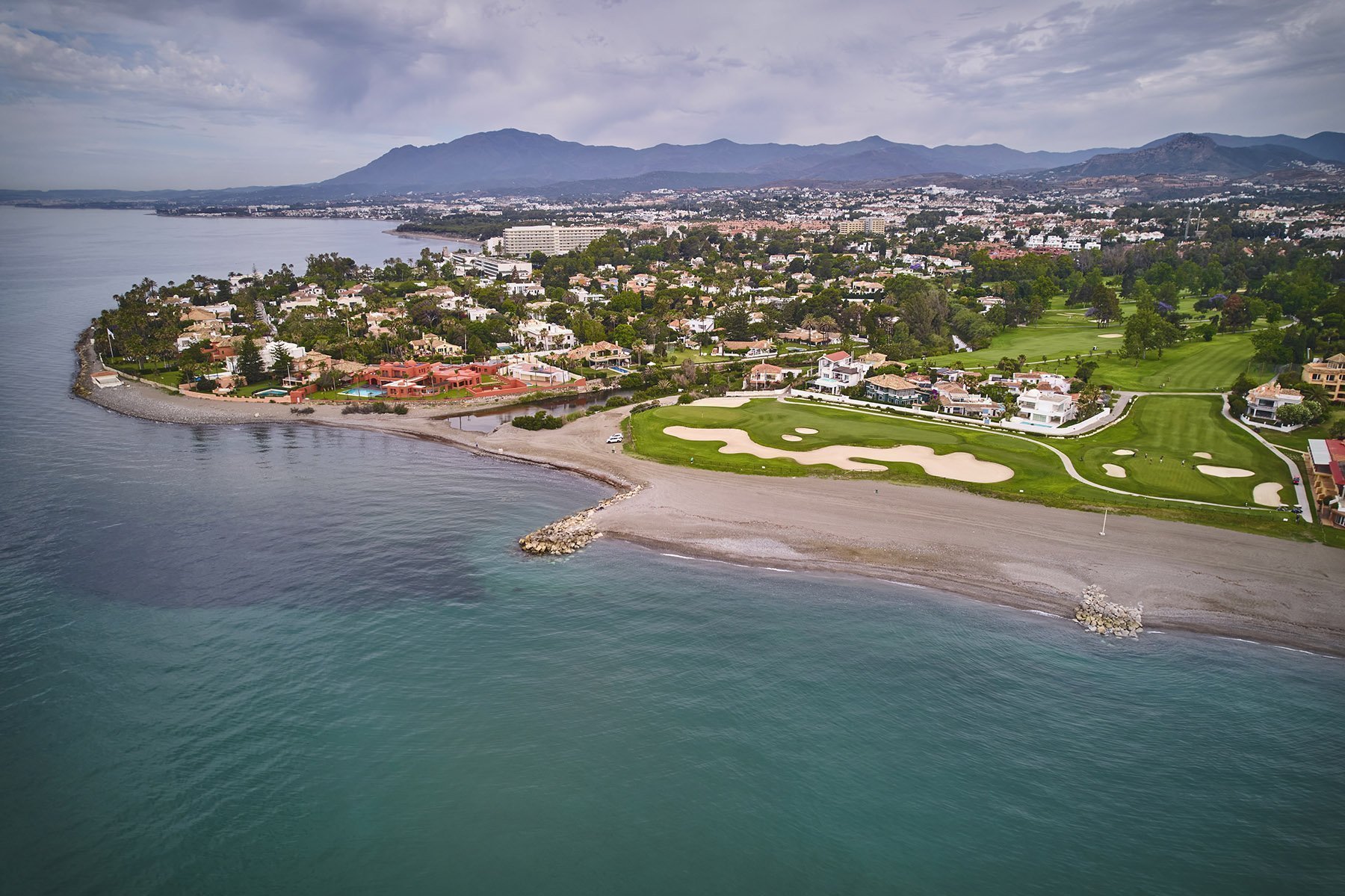
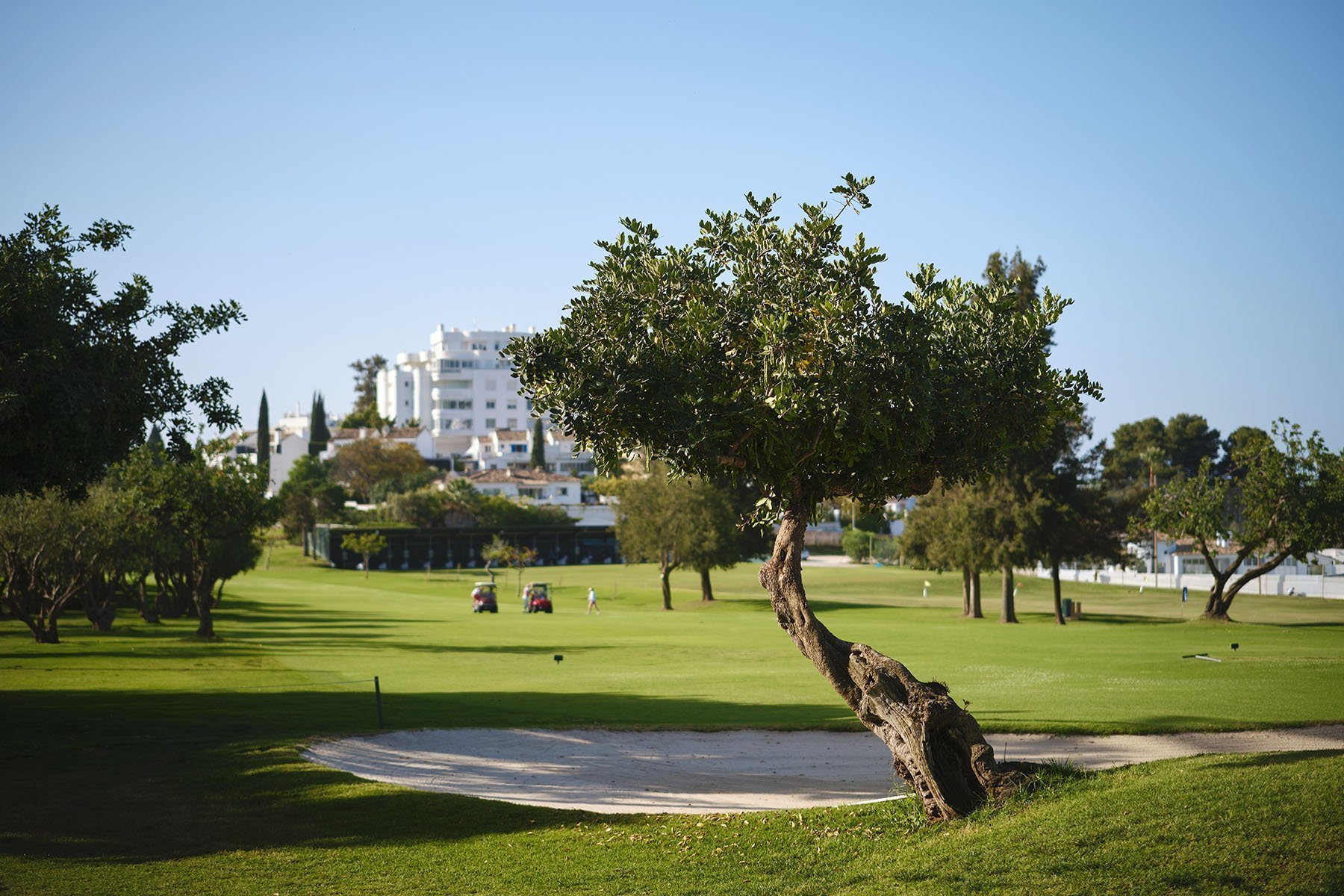
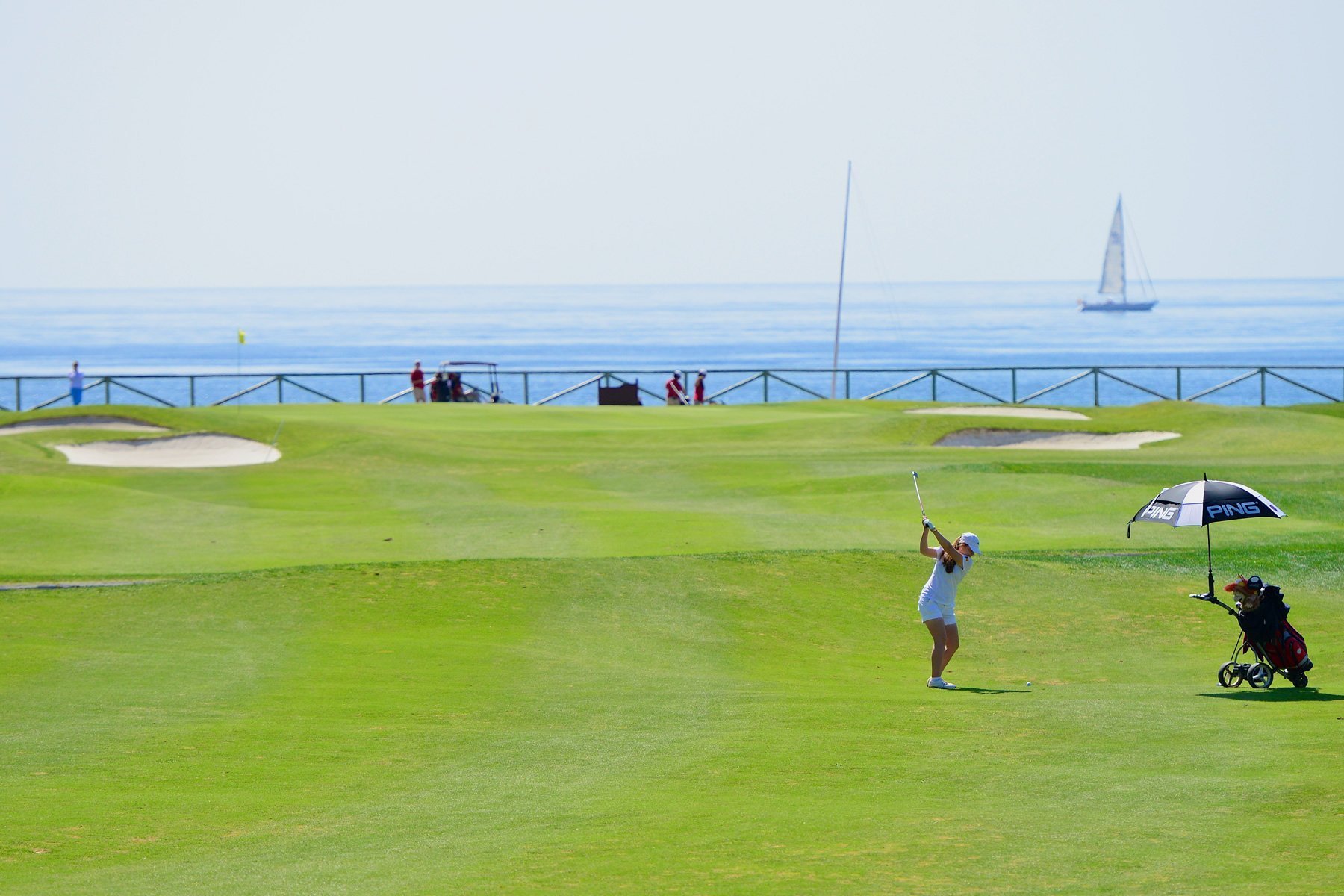
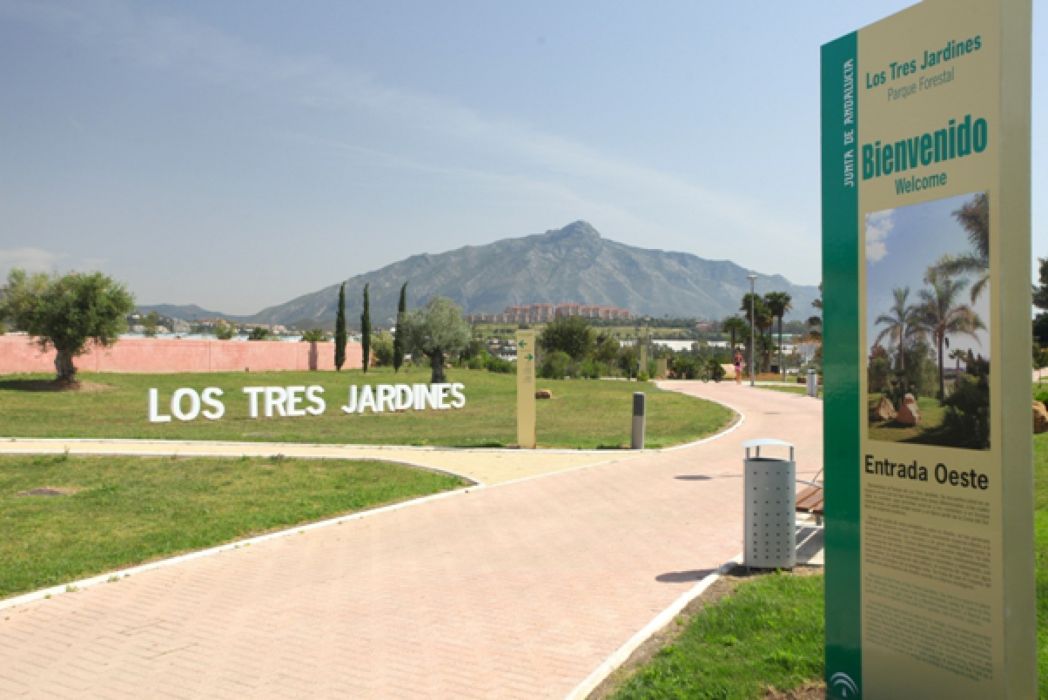
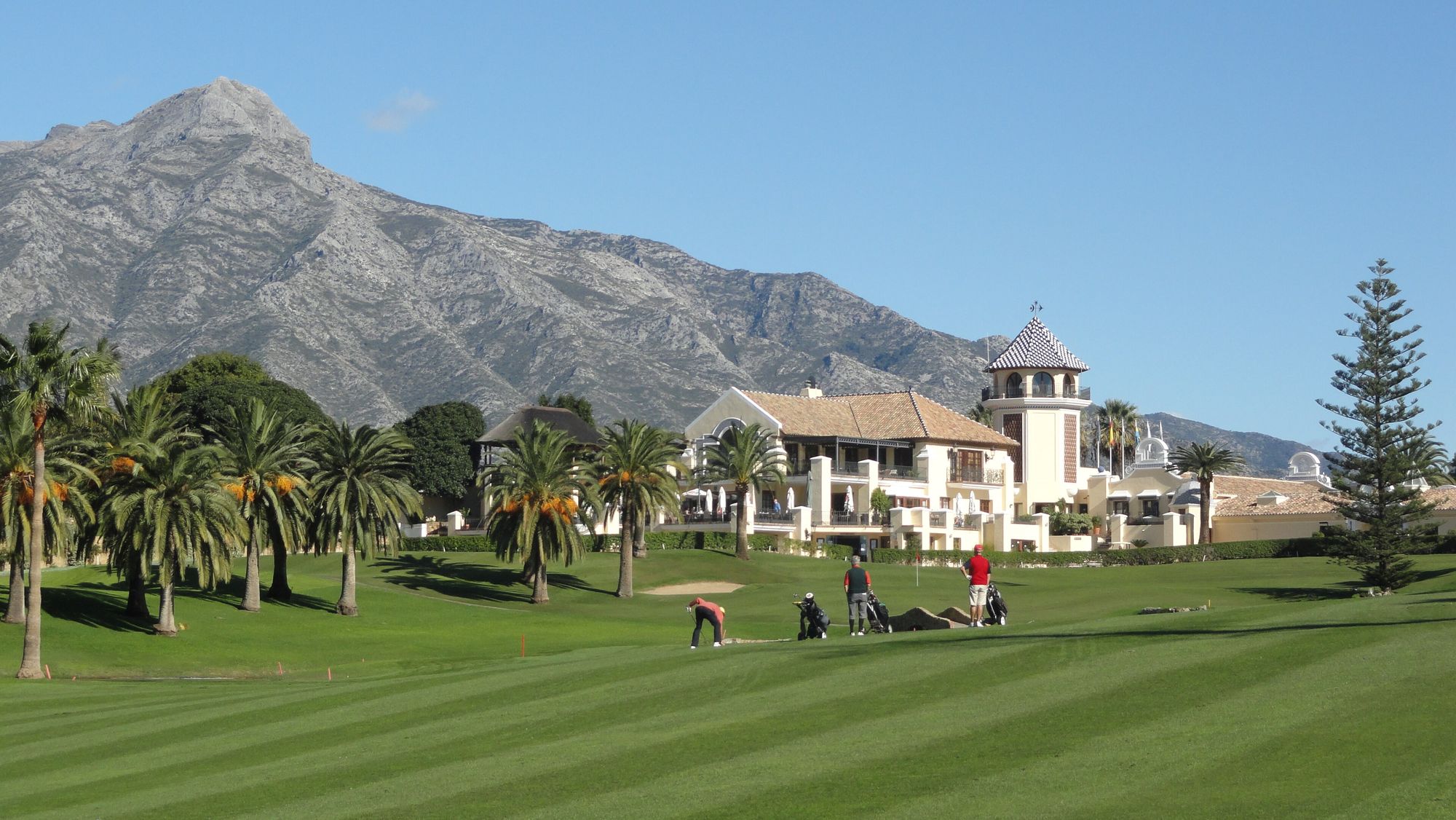
San Pedro Alcántara is the western district of Marbella, about 10 km from the old town, between the Guadalmina river and Puerto Banús. It began as a farming settlement: in 1860 the Marqués del Duero founded an agricultural colony here to grow sugar cane, and the sugar mill (the Trapiche de Guadaiza, first built in the 1820s), the model farm and the 1871 alcohol distillery now serve as cultural centres. Much older remains sit by the sea at Guadalmina: second-century Roman baths and an early-Christian basilica. Golf arrived at Guadalmina in 1959, and in 2014 the old coast road through town was buried under a 54,000 m² boulevard park.
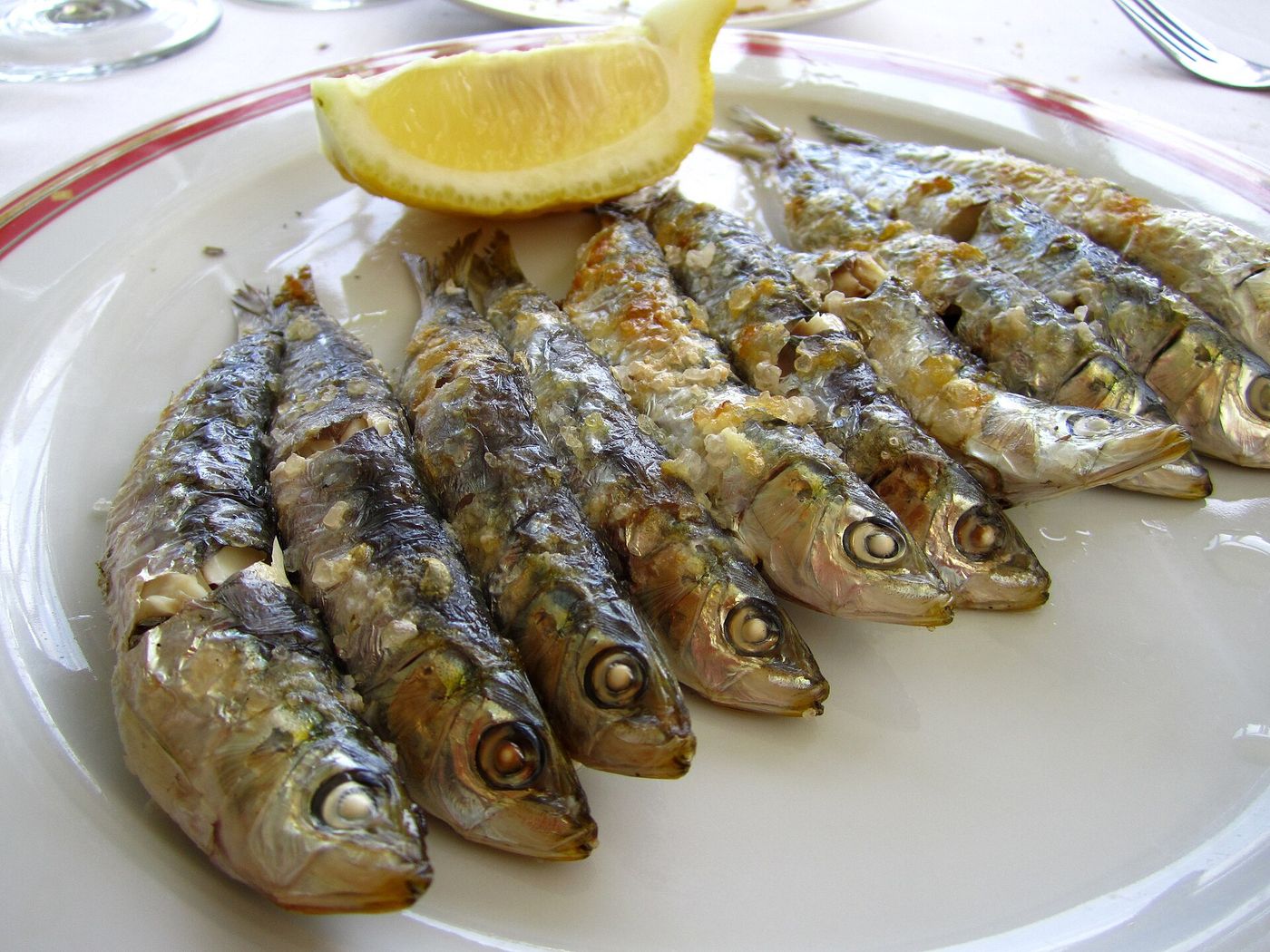
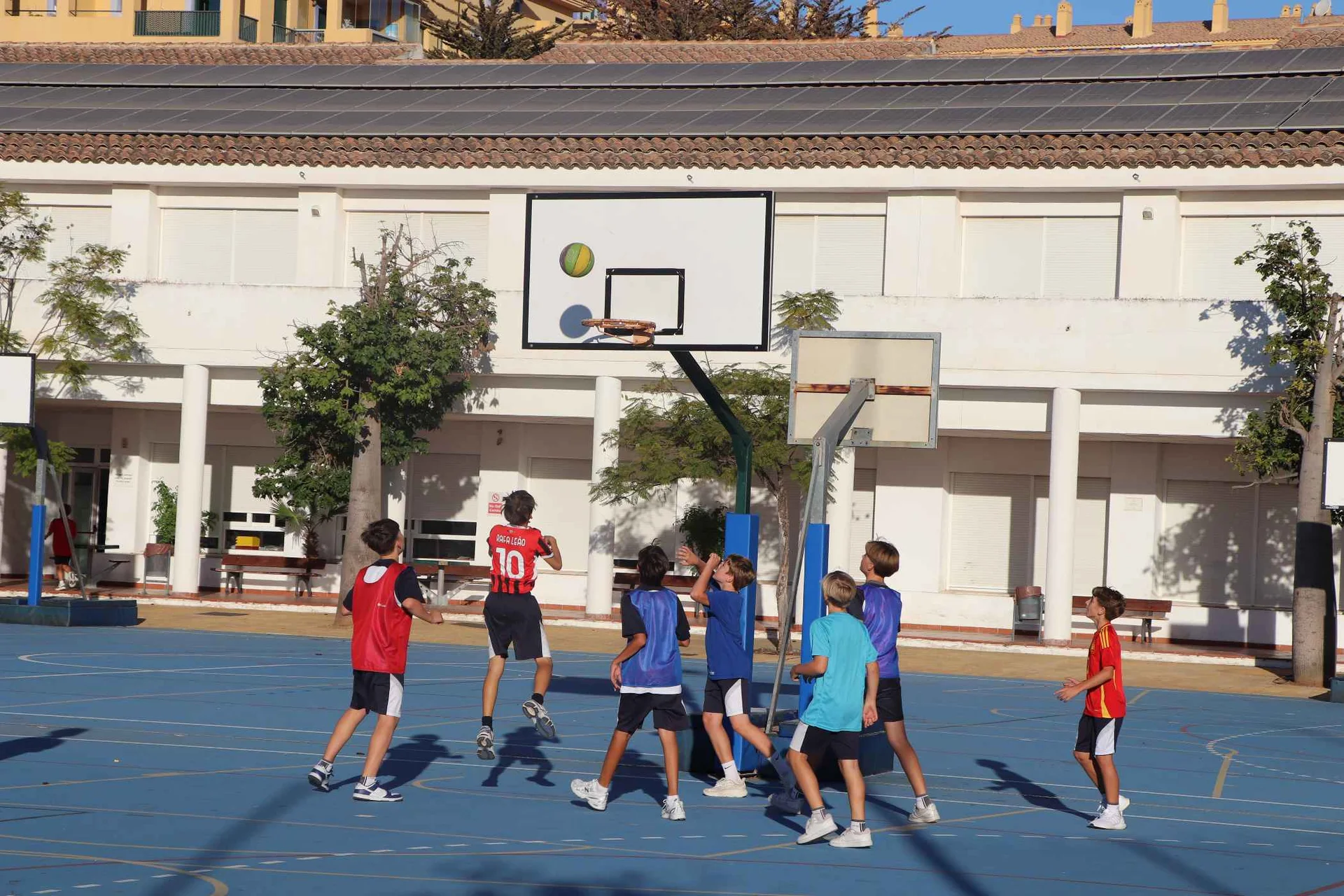
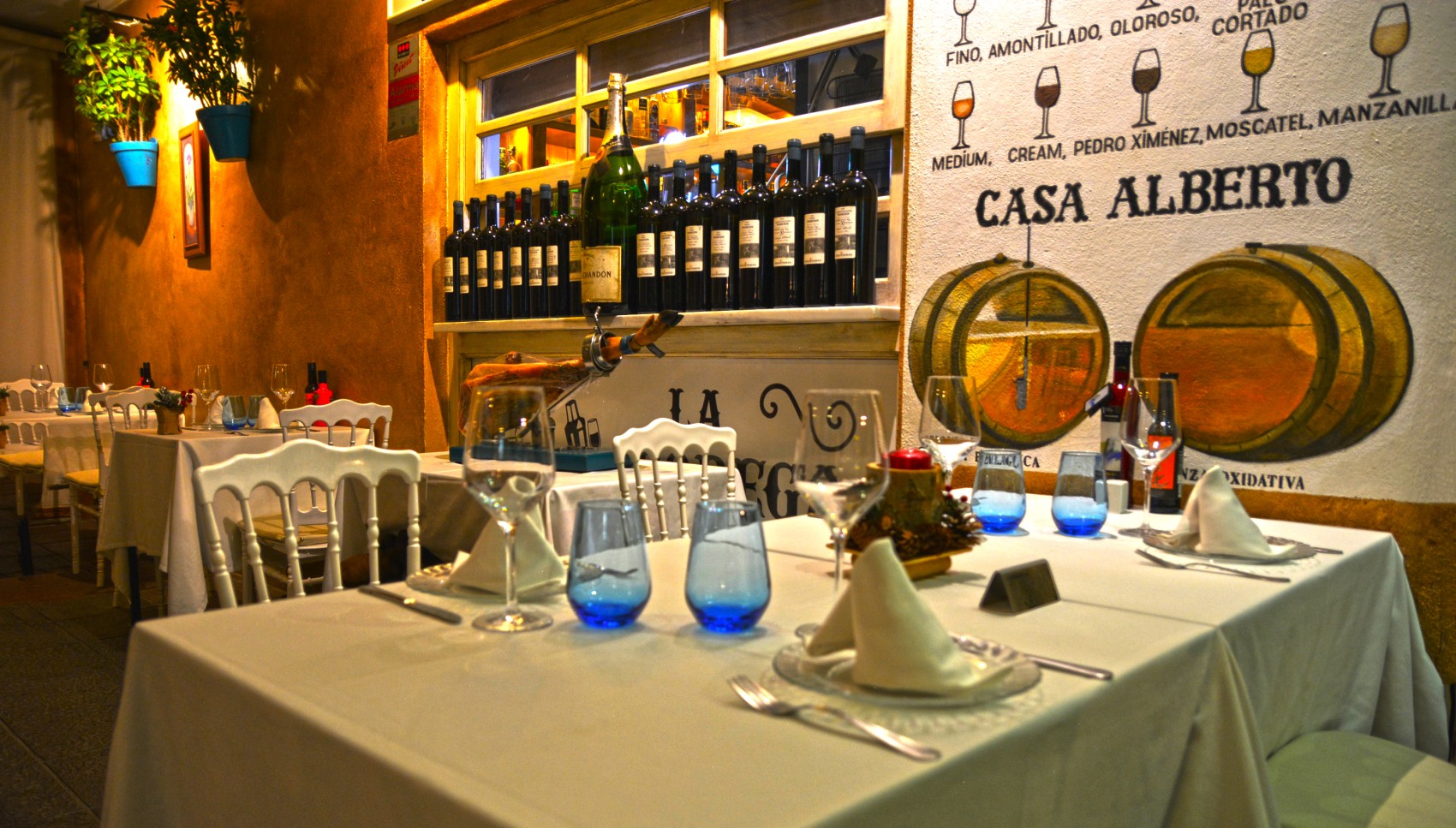
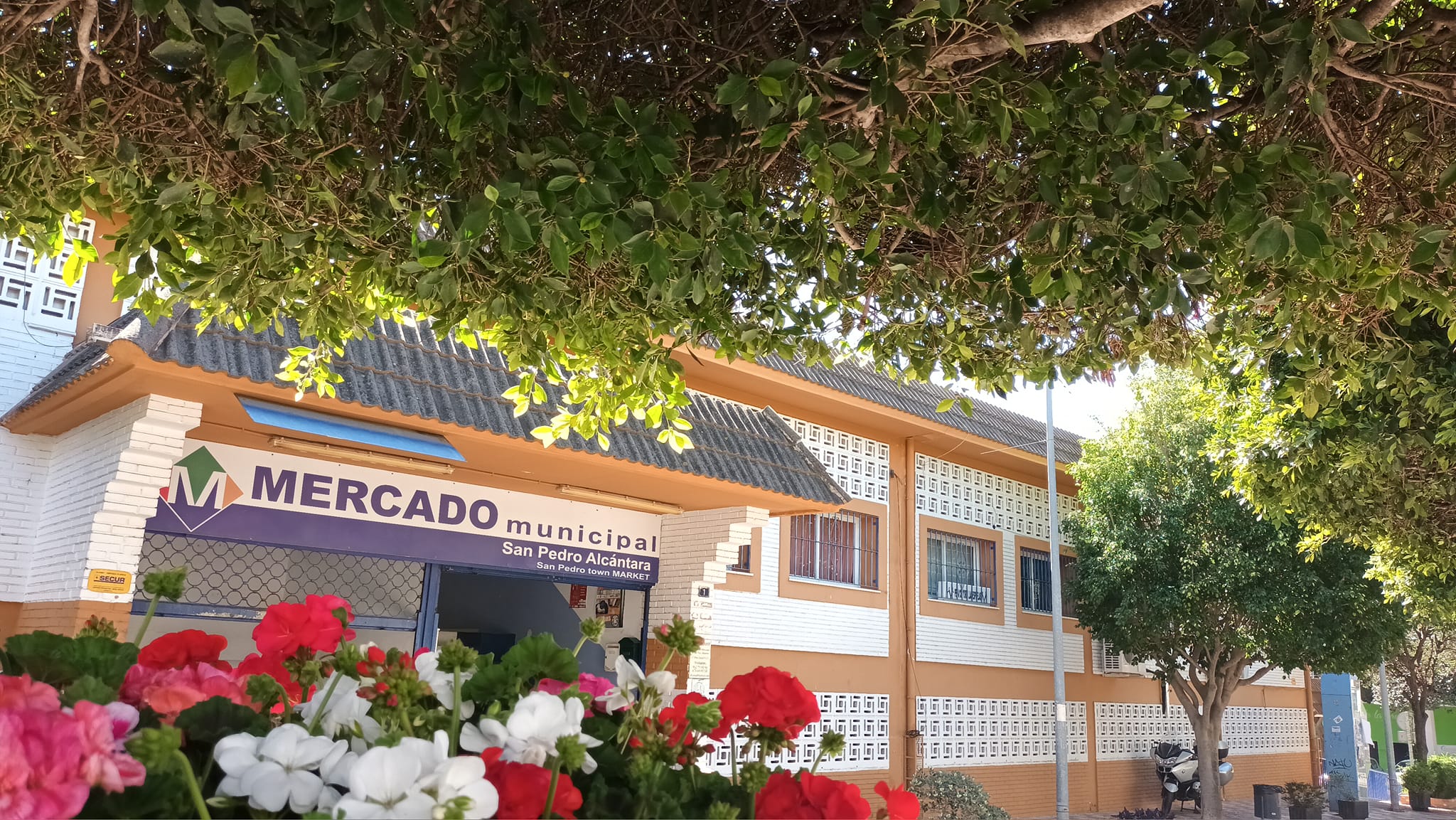
With about 39,000 residents (INE, 2023), San Pedro works like a small town rather than a resort. Mornings start at the municipal market on Calle Caravaca and, on Thursdays, at the street market on Calle Jorge Guillén; evenings centre on the church square, the tapas bars of Calle Andalucía and the boulevard's playgrounds and terraces. Alongside the Spanish families of the centre there is a large foreign community: the biggest international school reports pupils of more than 60 nationalities, and Guadalmina's golf club counts over 2,000 members from 17 countries. An Irish pub, Indian, Thai and Japanese kitchens sit beside bars that have served tapas since 1980.
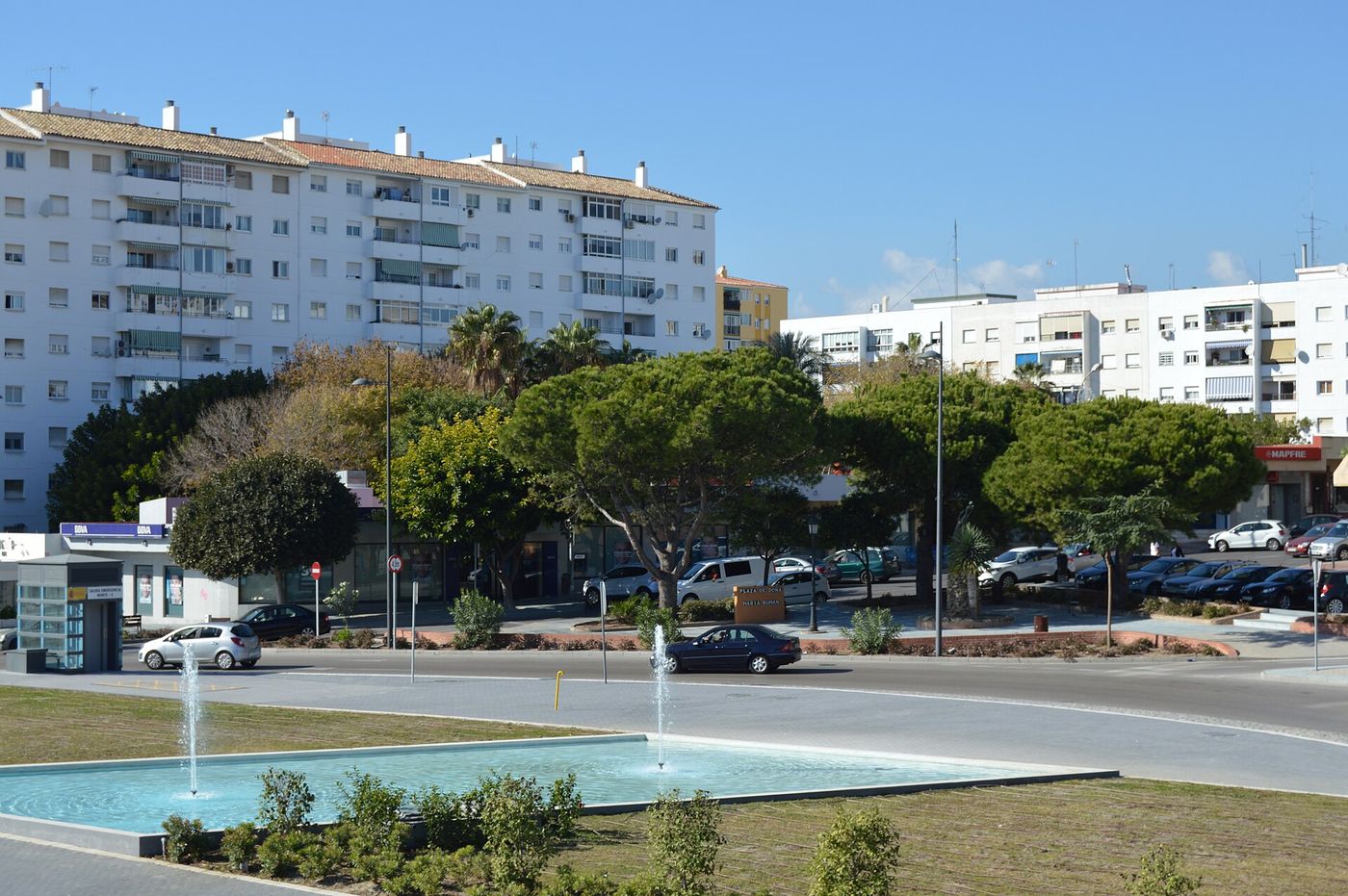
Housing splits roughly three ways. North of the boulevard, the old centre around the church is mostly apartment blocks and low terraced streets, and it is the cheaper part of the district (about €4,600/m² on the portals' index). South of it, El Ingenio, Nueva Alcántara and Linda Vista run down to the promenade with 1970s villa plots and gated apartment complexes; Nueva Alcántara is the dearest sub-zone at about €6,100/m². To the west, Guadalmina Alta and Baja are low-density villa estates wrapped around 45 holes of golf, and to the east Cortijo Blanco and El Rodeo fill the 4 km gap to Puerto Banús.
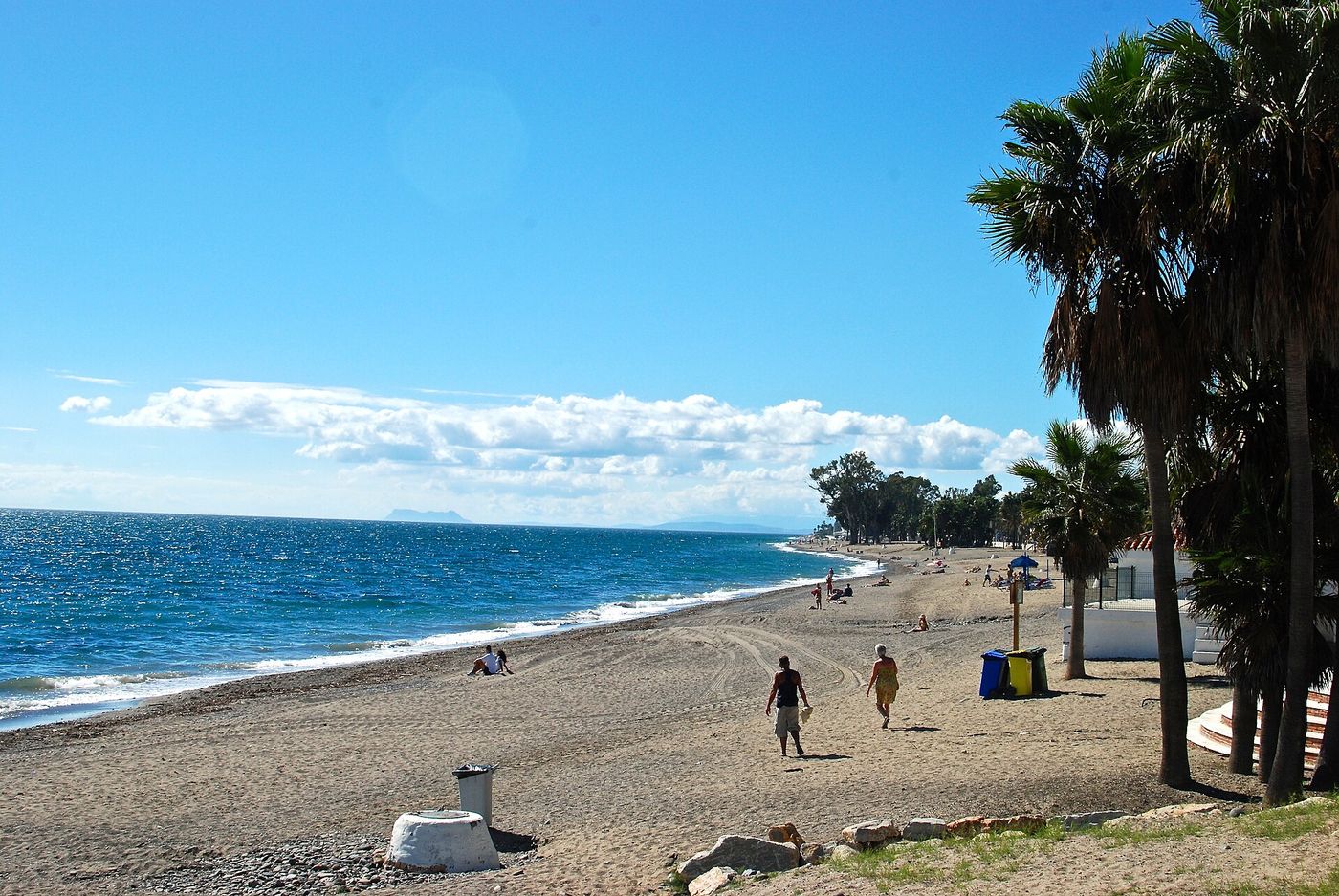
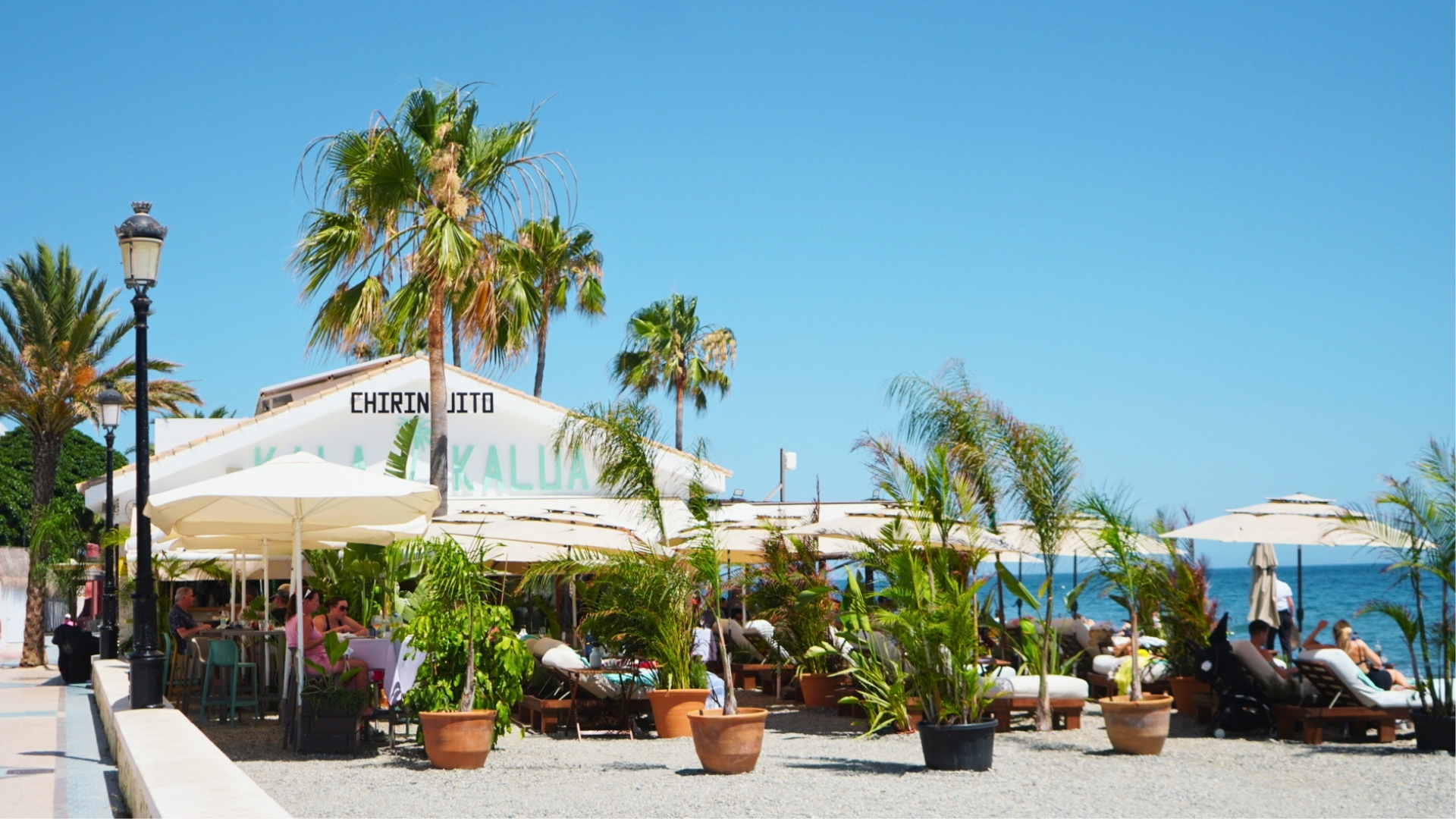
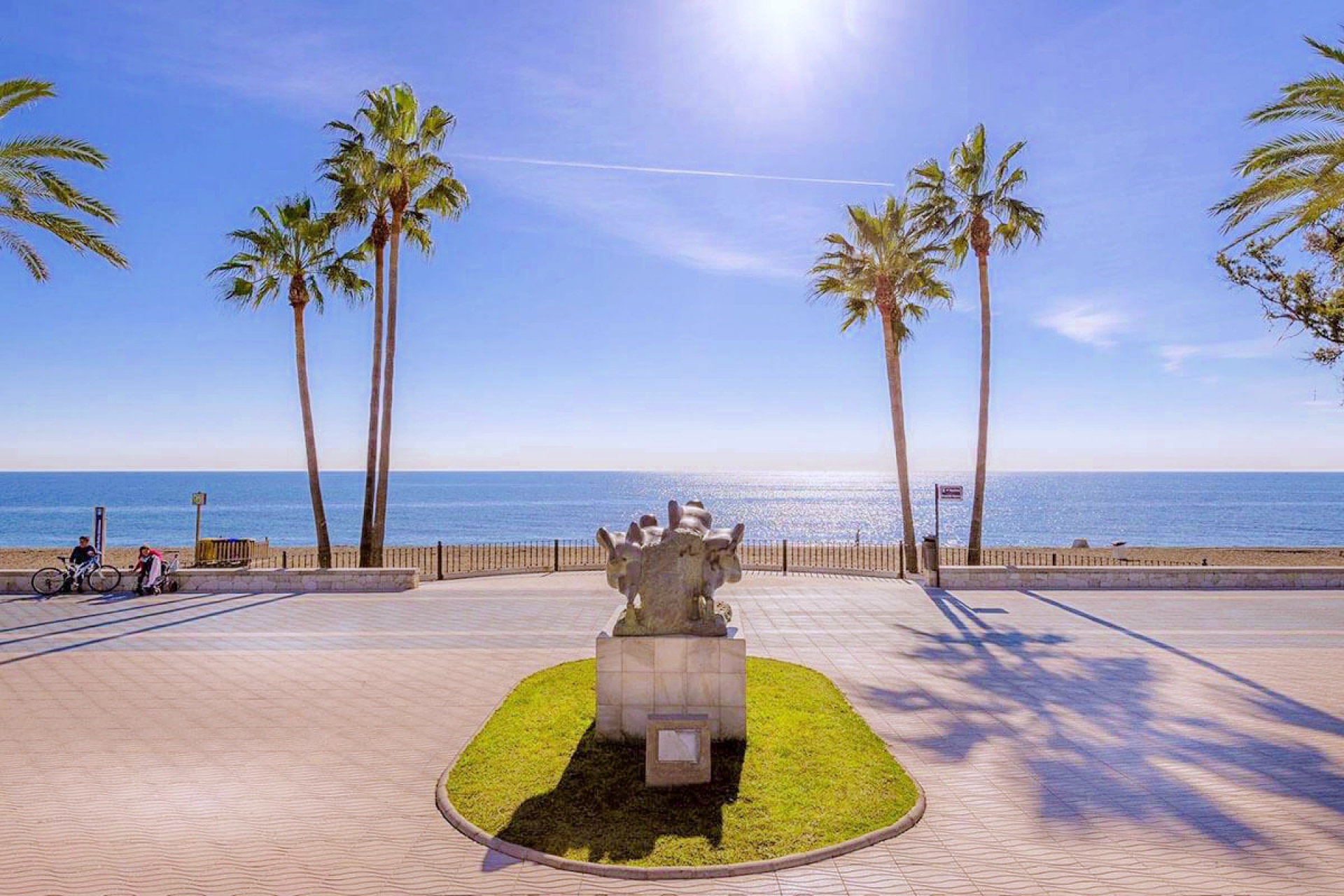
Summer is lived on the seafront: the chiringuitos and beach clubs fill, the town hall runs an assisted-bathing service with amphibious chairs at La Salida beach from June to September, and the Acuam craft market by the Alabardero opens Wednesday to Sunday until 21:30. The town's own feria comes late, in October around the patron saint's day on the 19th, billed as the last summer fair in Andalusia. Winter is quieter but the town keeps working: schools, markets and golf carry on, and only some beach clubs shut for a break (Macaao, for example, from 9 November 2026).
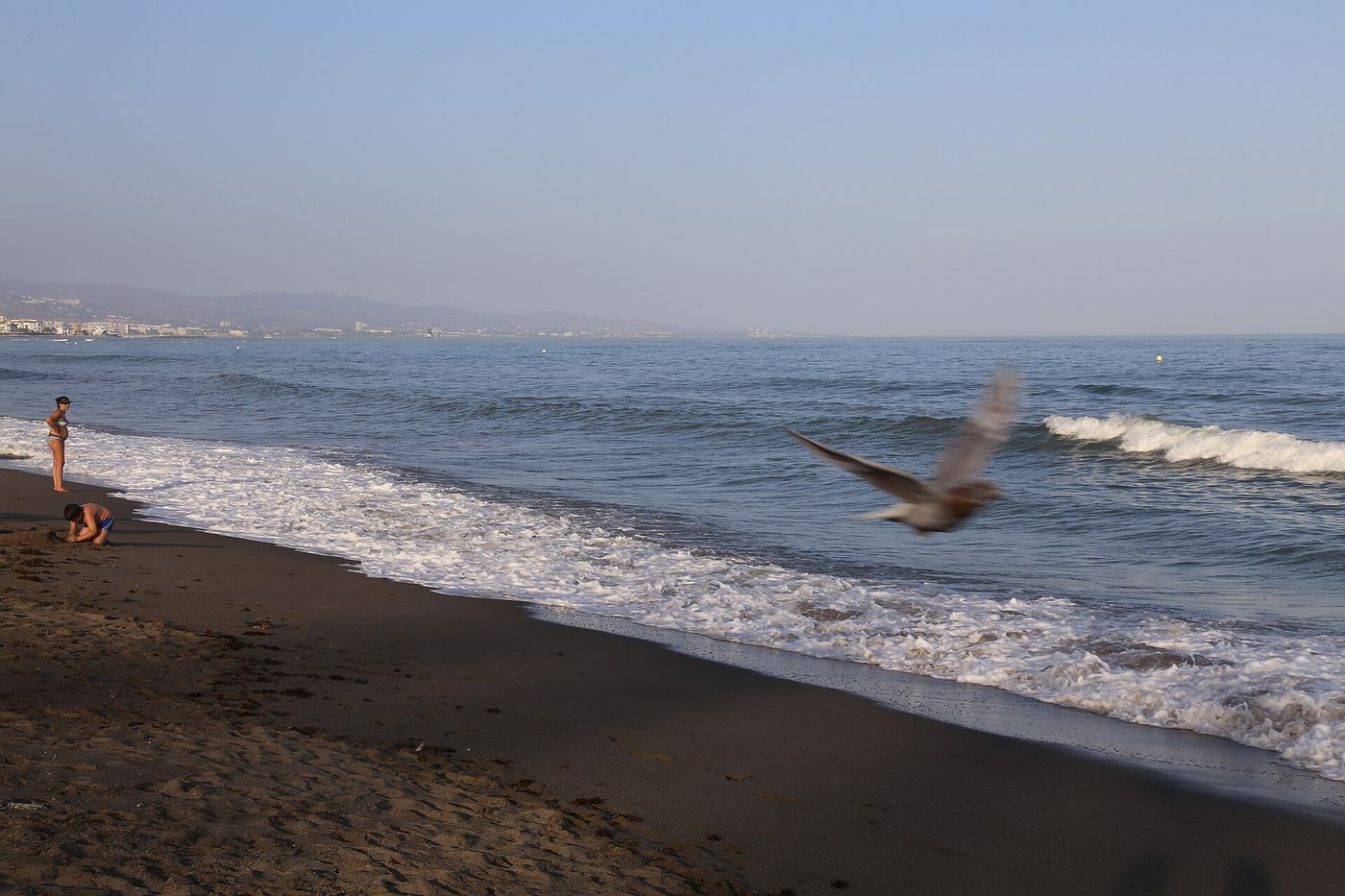
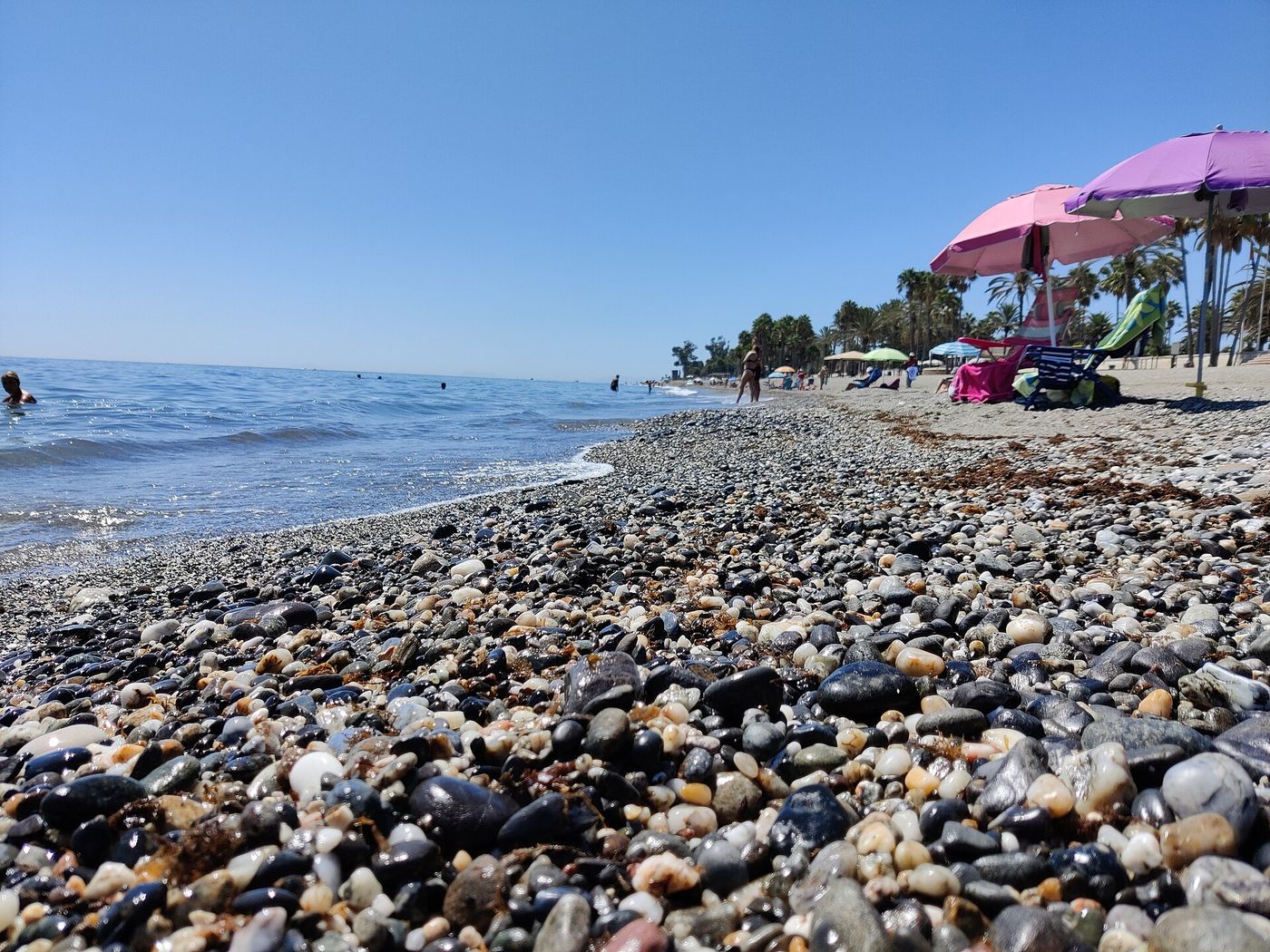
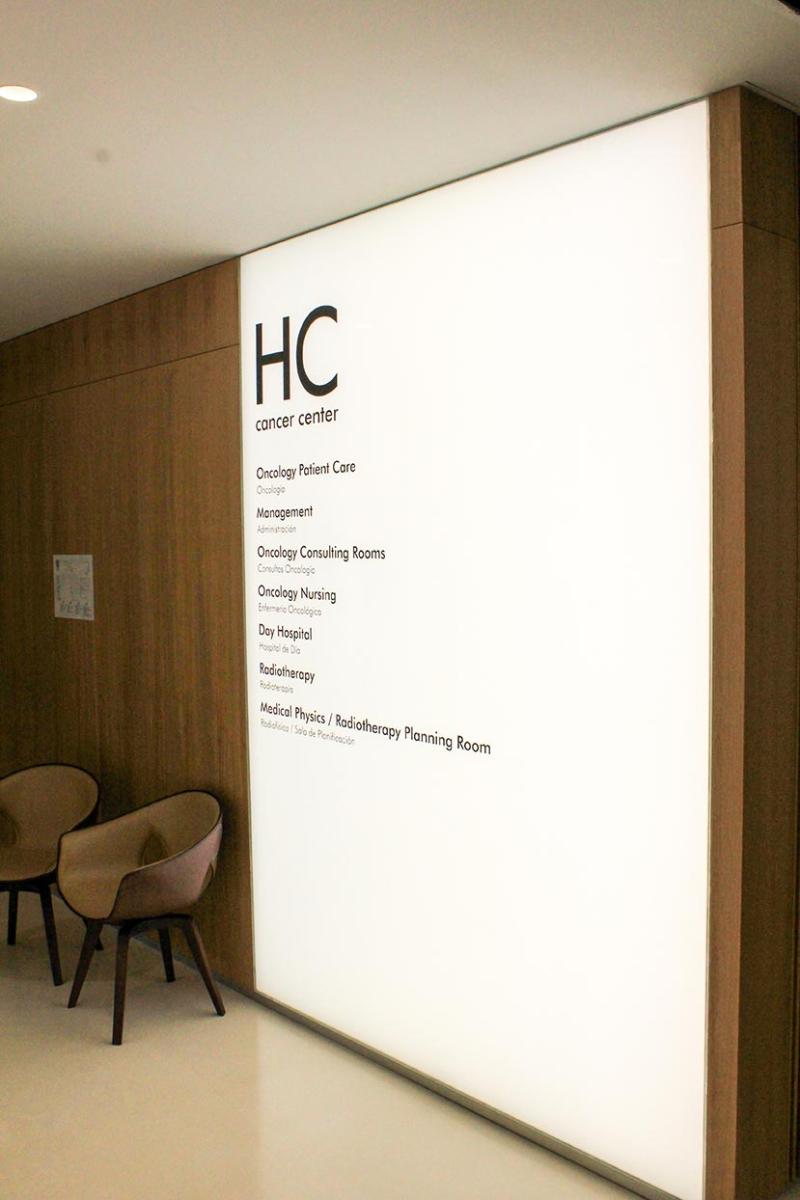
The honest drawbacks: the beaches are grey sand and shingle rather than golden, and only the Guadalmina stretch held a Blue Flag in 2025 and 2026. Málaga airport is about an hour away (66 km), there is no railway, and buses to Málaga run direct on line L-316 or via Marbella. The public hospital, Hospital Costa del Sol, is 18 km east; the private HC Marbella is closer, at El Rodeo. Nightlife means pubs and cocktail bars that close around 1–2 a.m.; for clubs people go to Puerto Banús. Asking rents are steep: a two-bedroom flat is typically listed at about €2,000 a month.