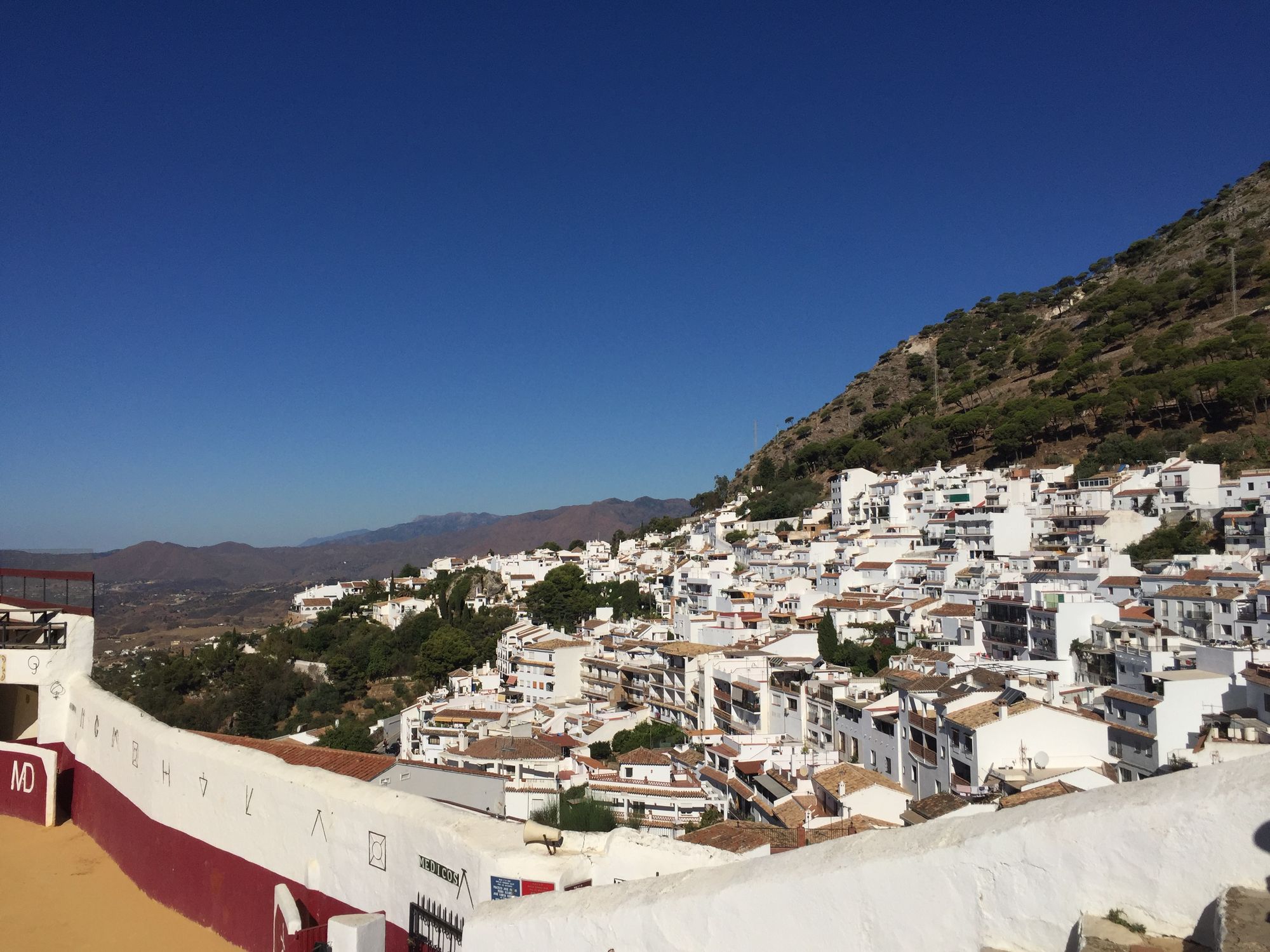
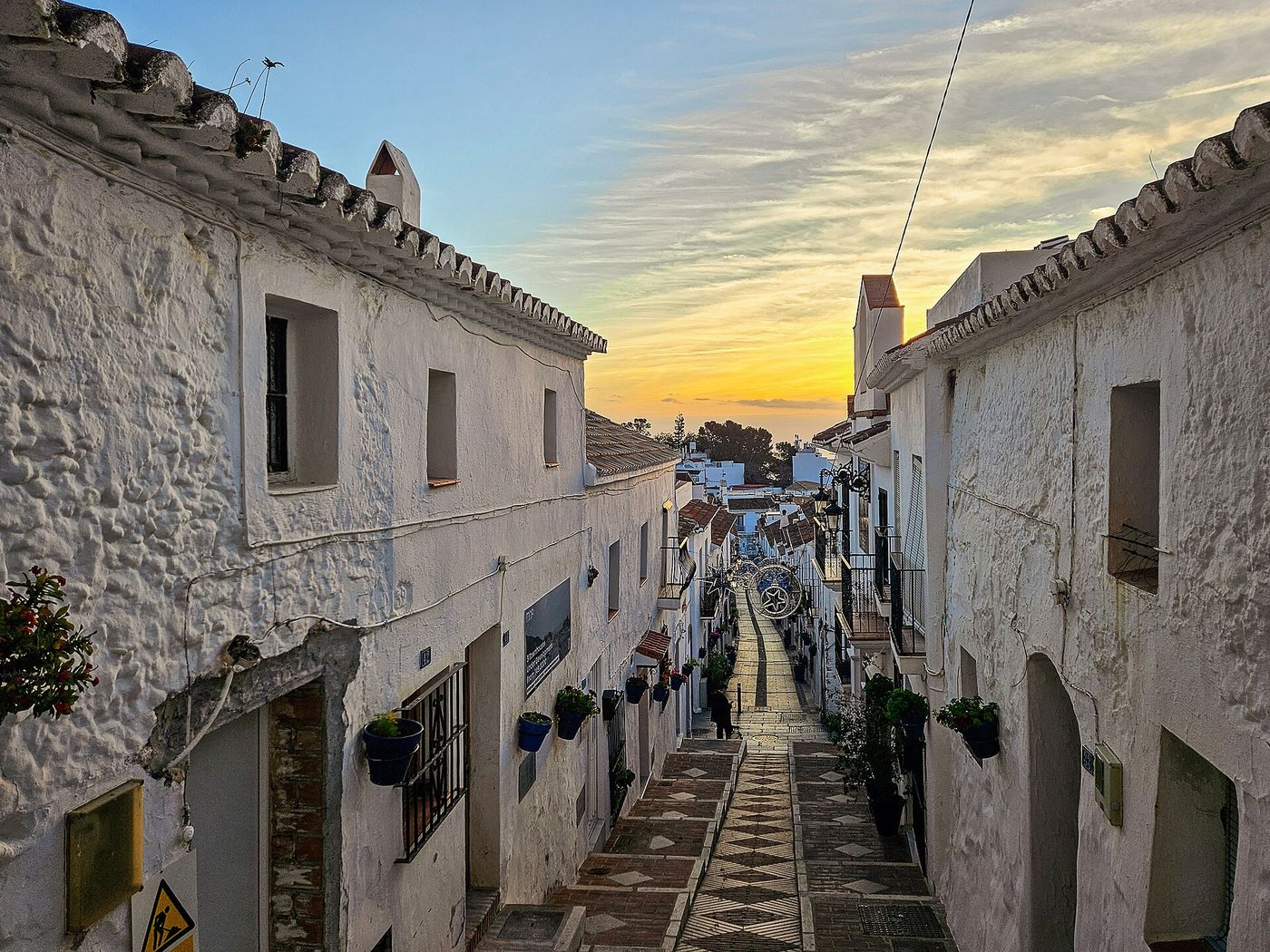
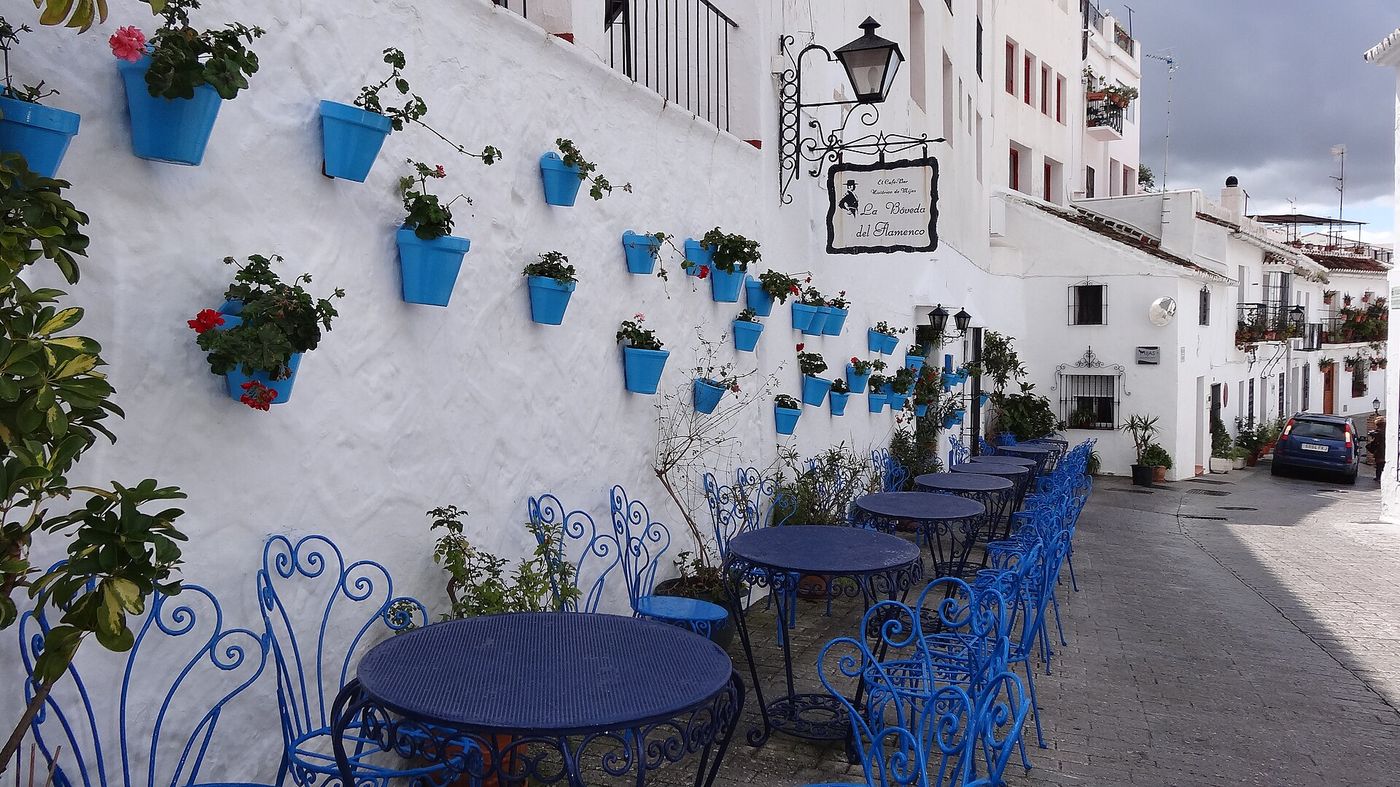
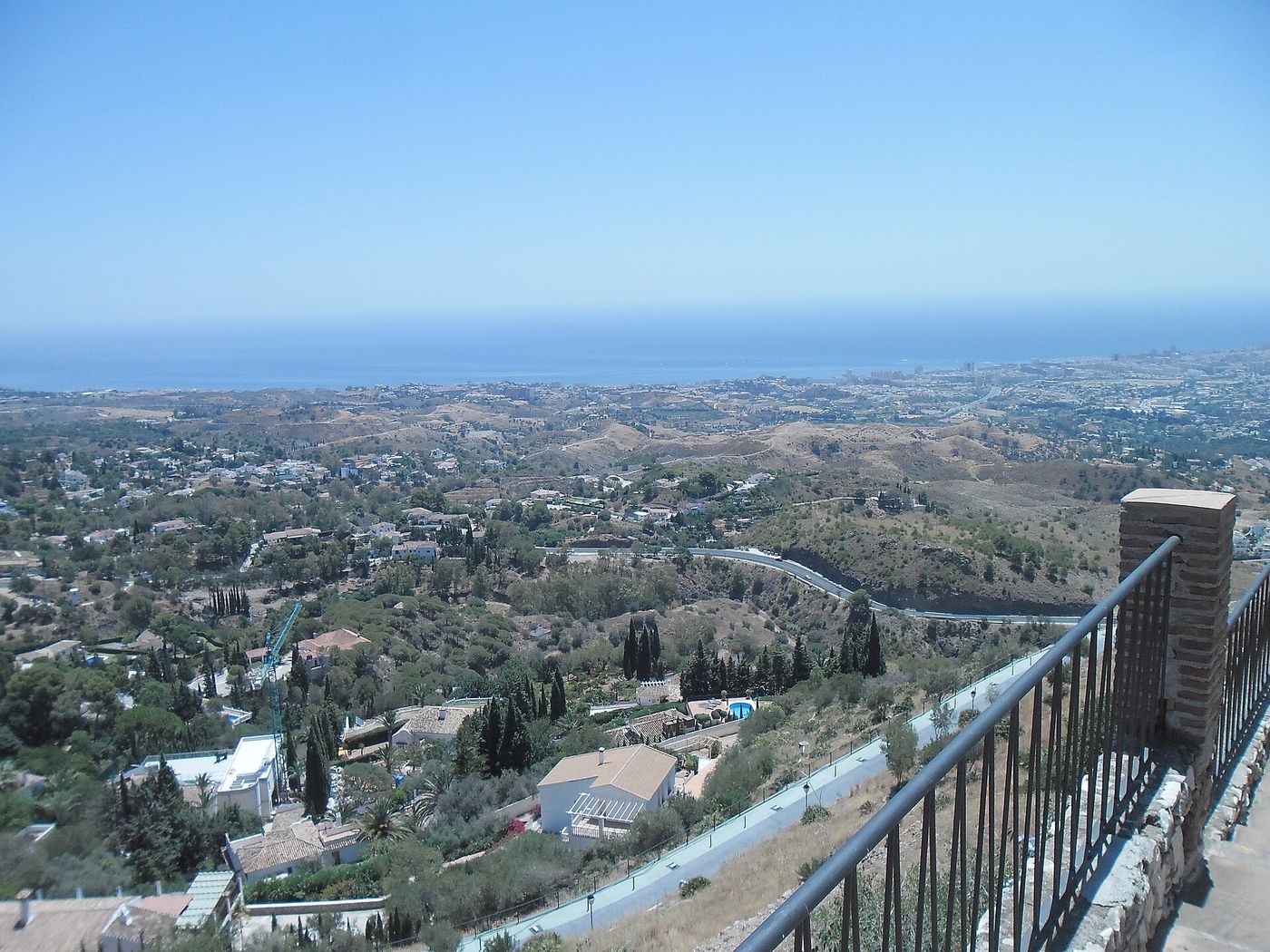
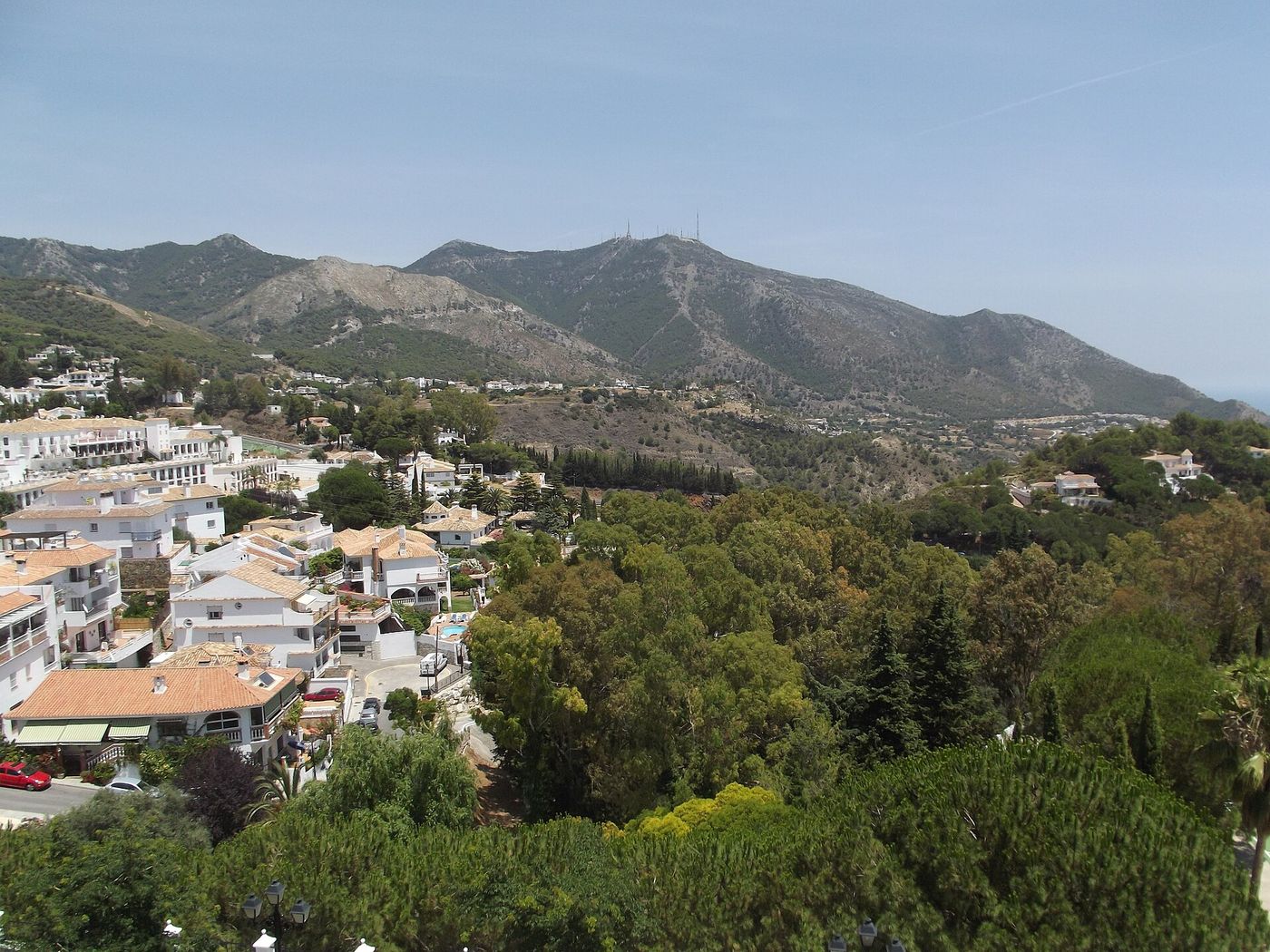
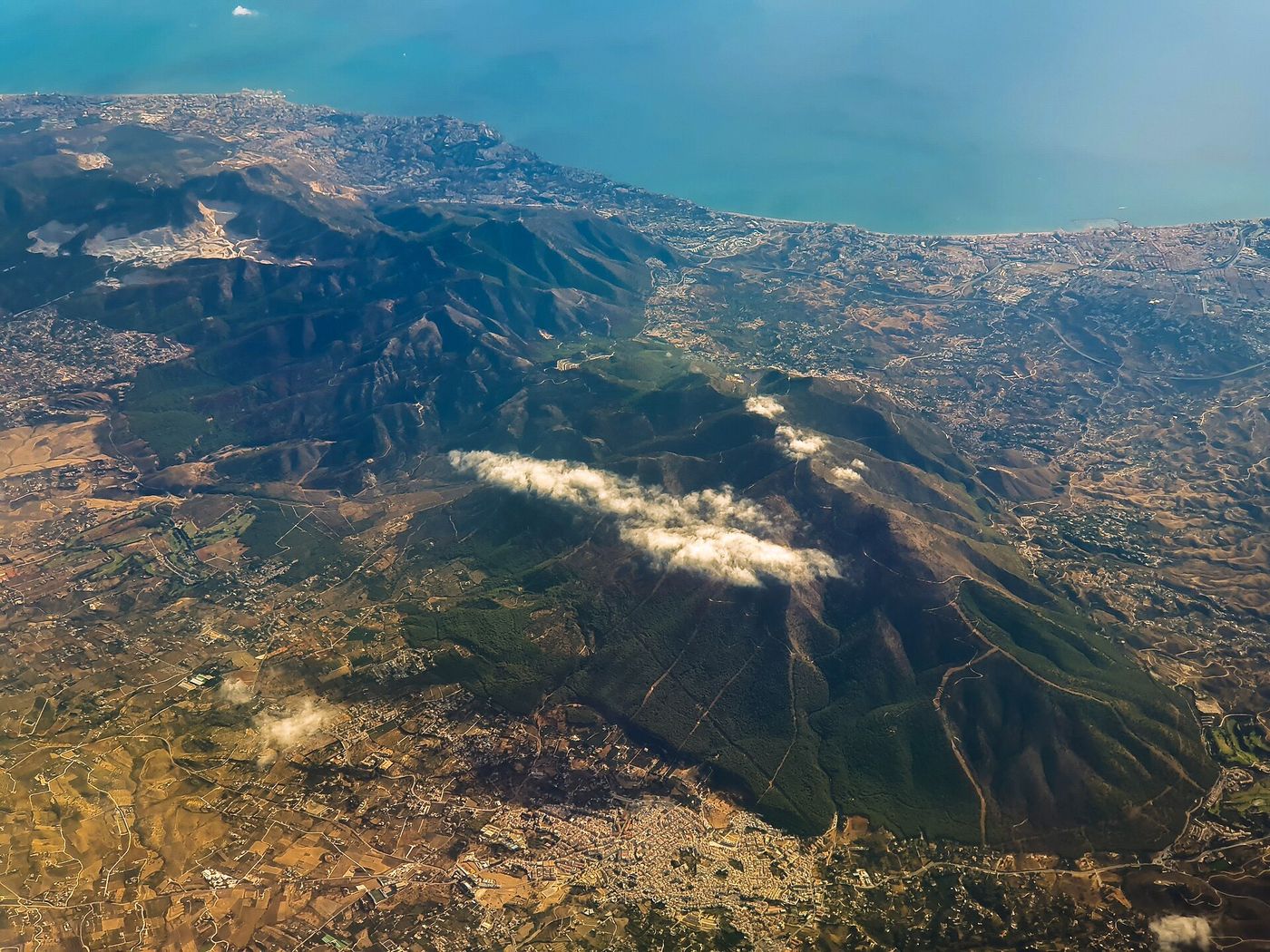
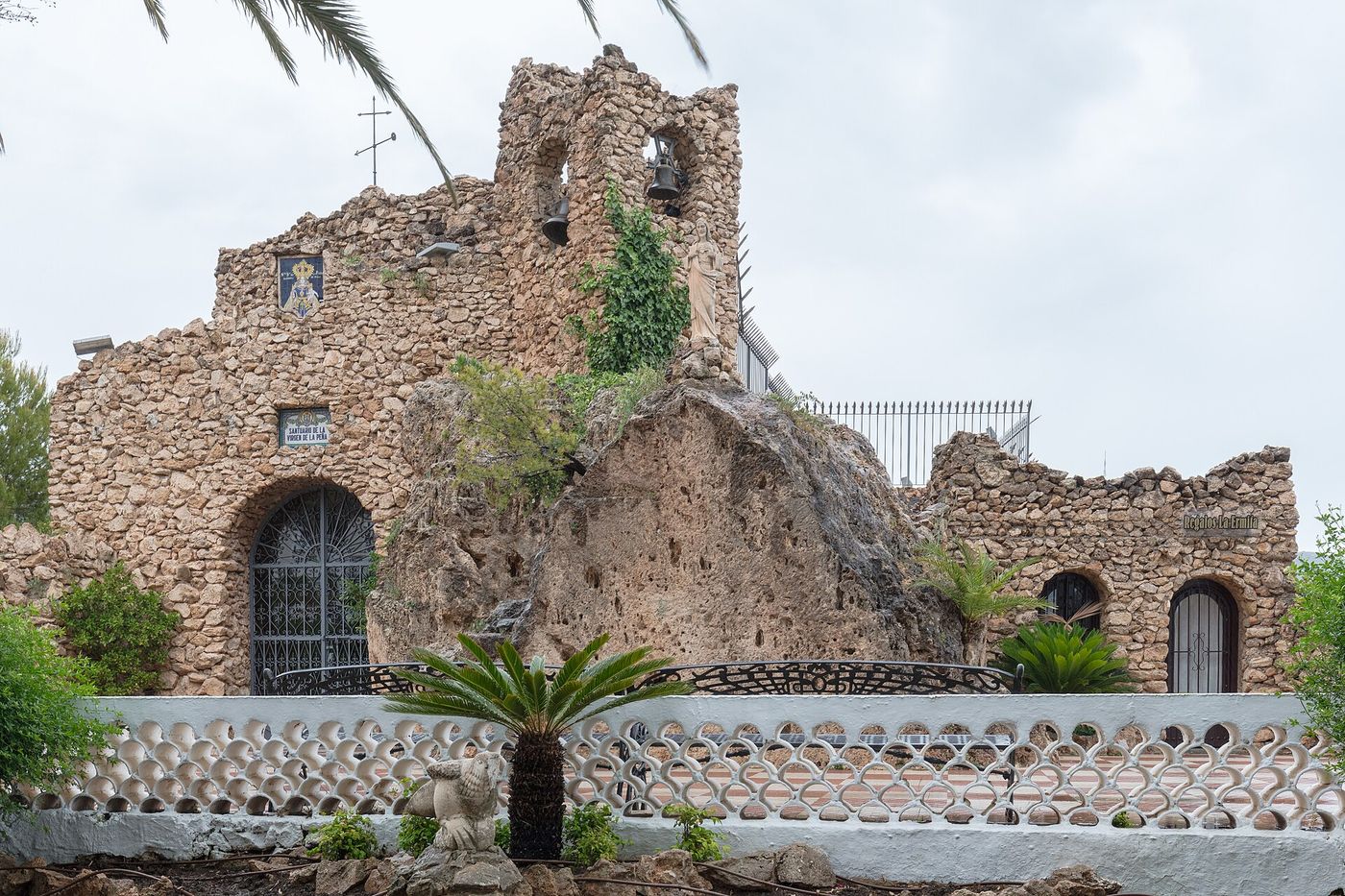
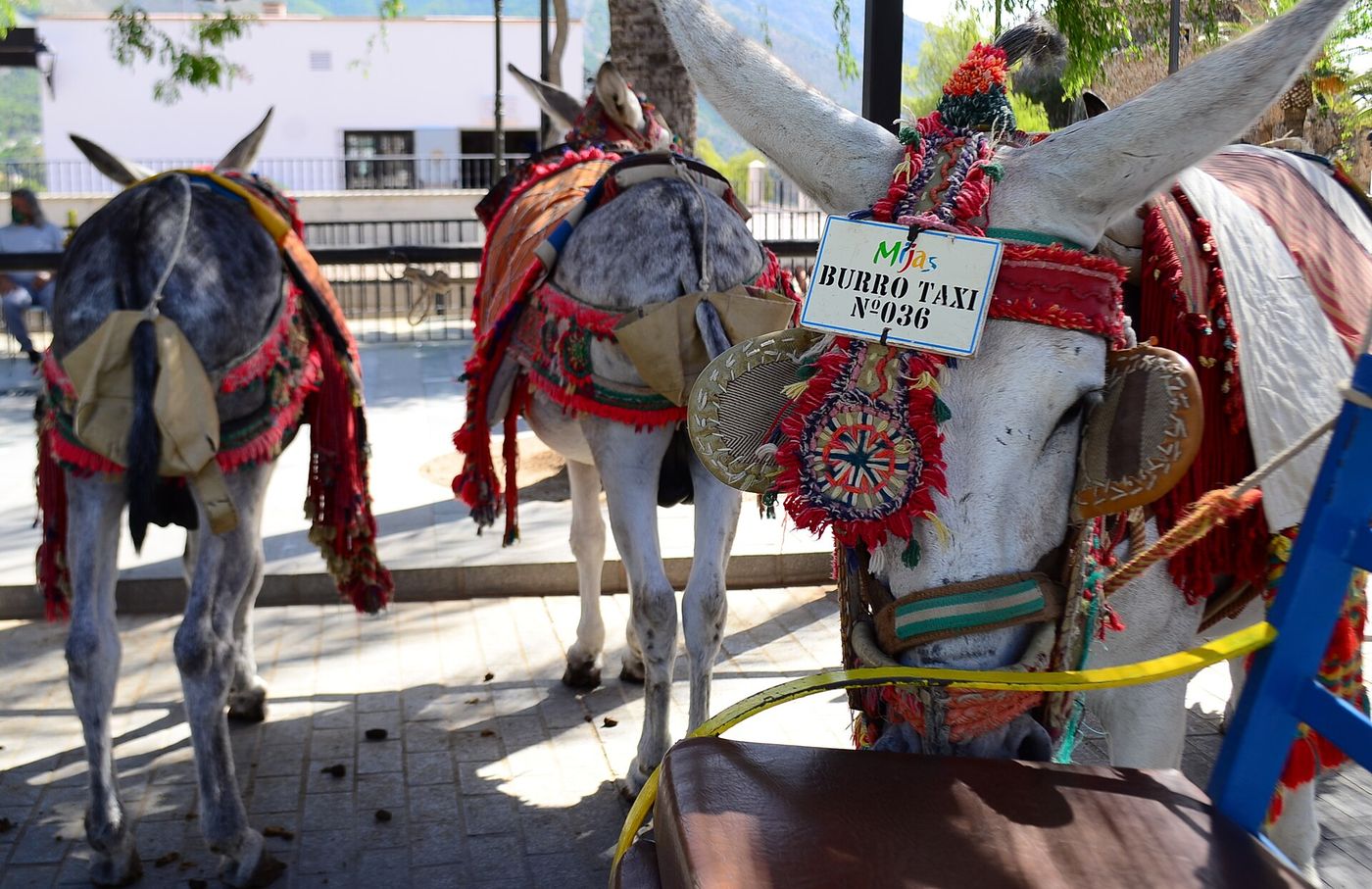
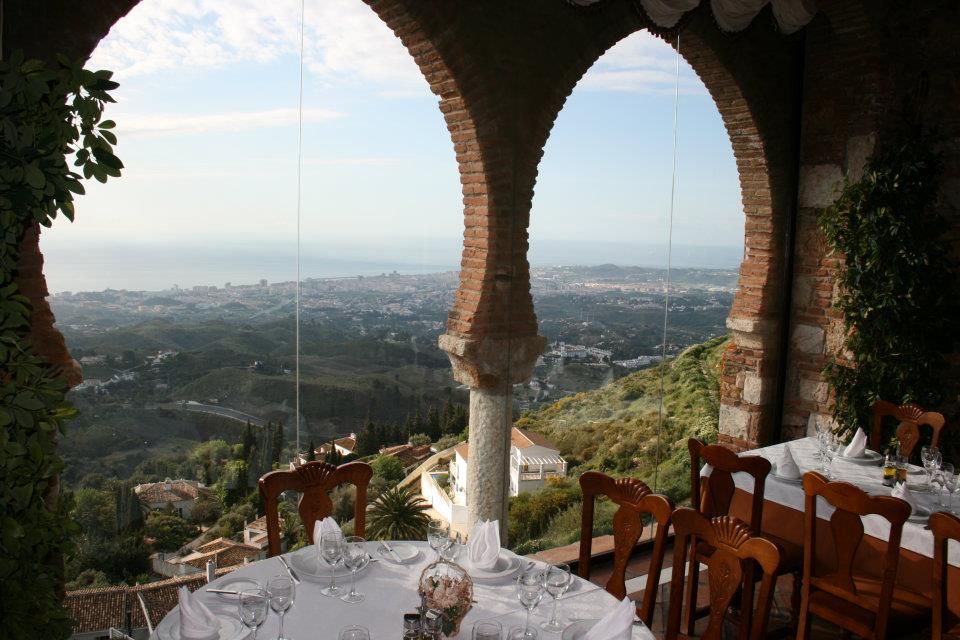
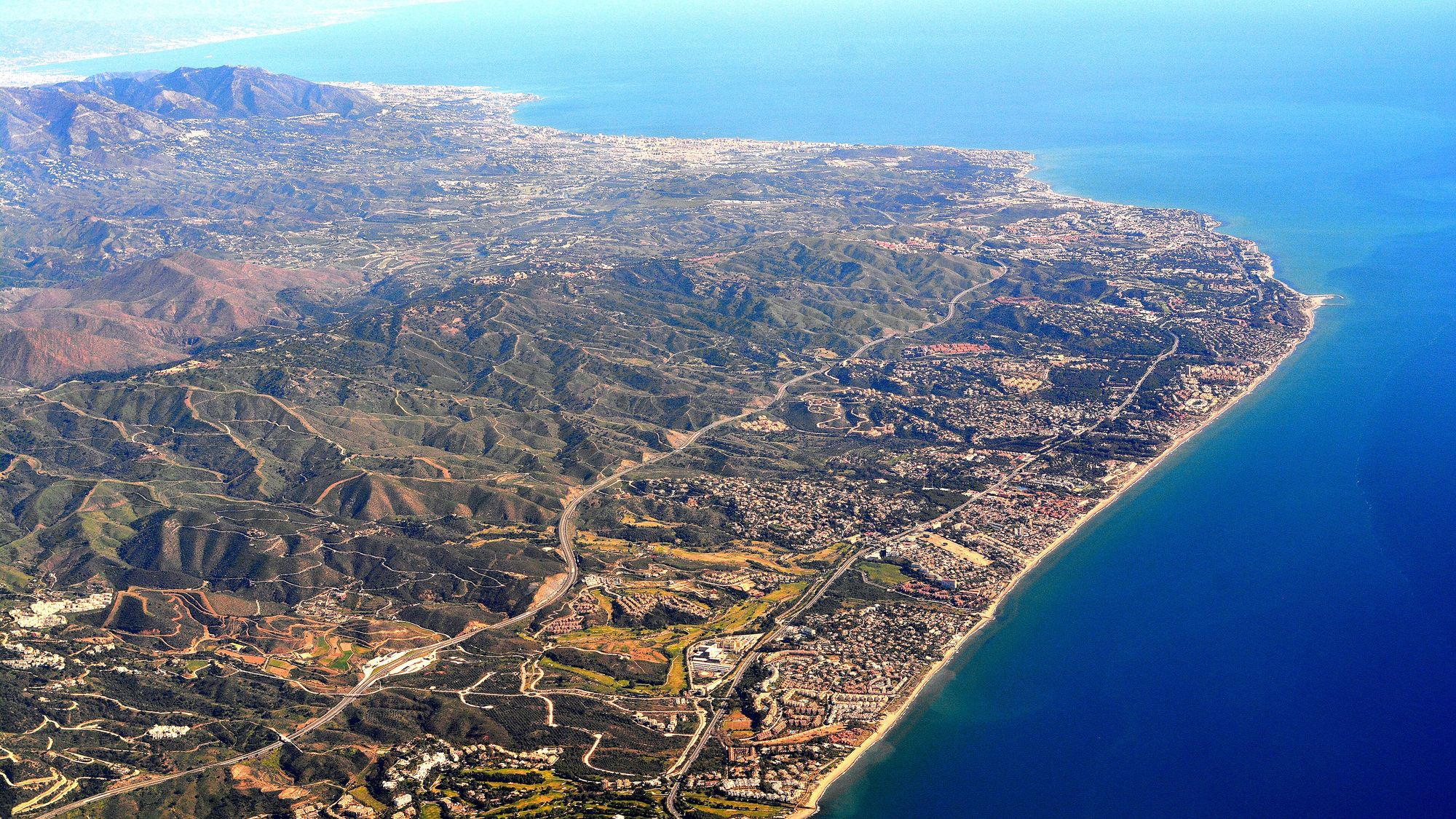
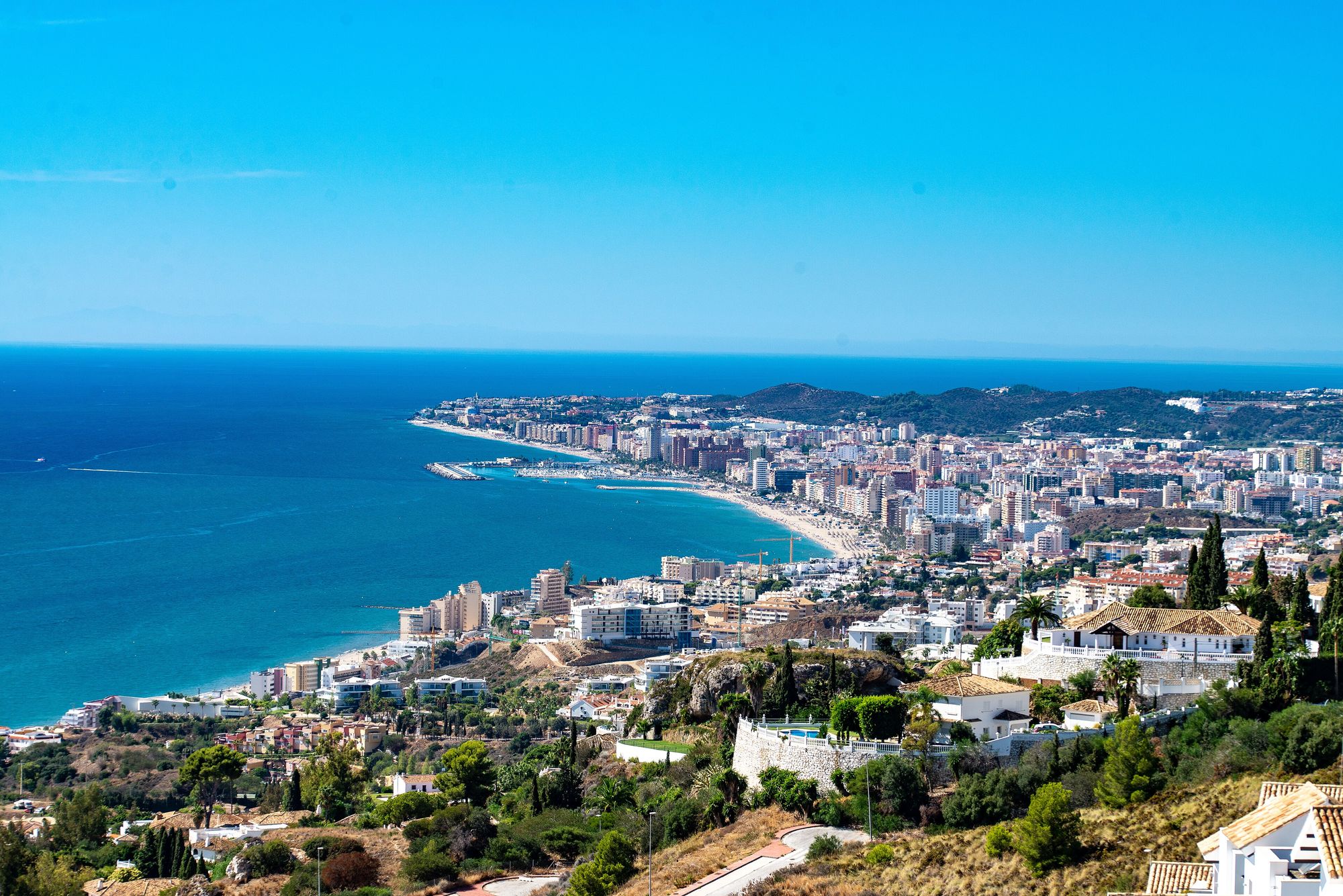
Mijas Pueblo sits at 428 m on the southern slope of the Sierra de Mijas, about 9 km by road above Fuengirola. Under Moorish rule it was Mixa; it held out against the Catholic Monarchs in 1487 and, after Málaga fell, its people were sold into slavery. Tourism arrived in the late 1950s, and with it the burro-taxis, which began when visitors asked quarrymen riding home on their donkeys for photos and rides. The old centre has been a protected historic-artistic site since 1969, and the municipality has grown from about 7,000 people in the early 1950s to 95,104 in 2025.
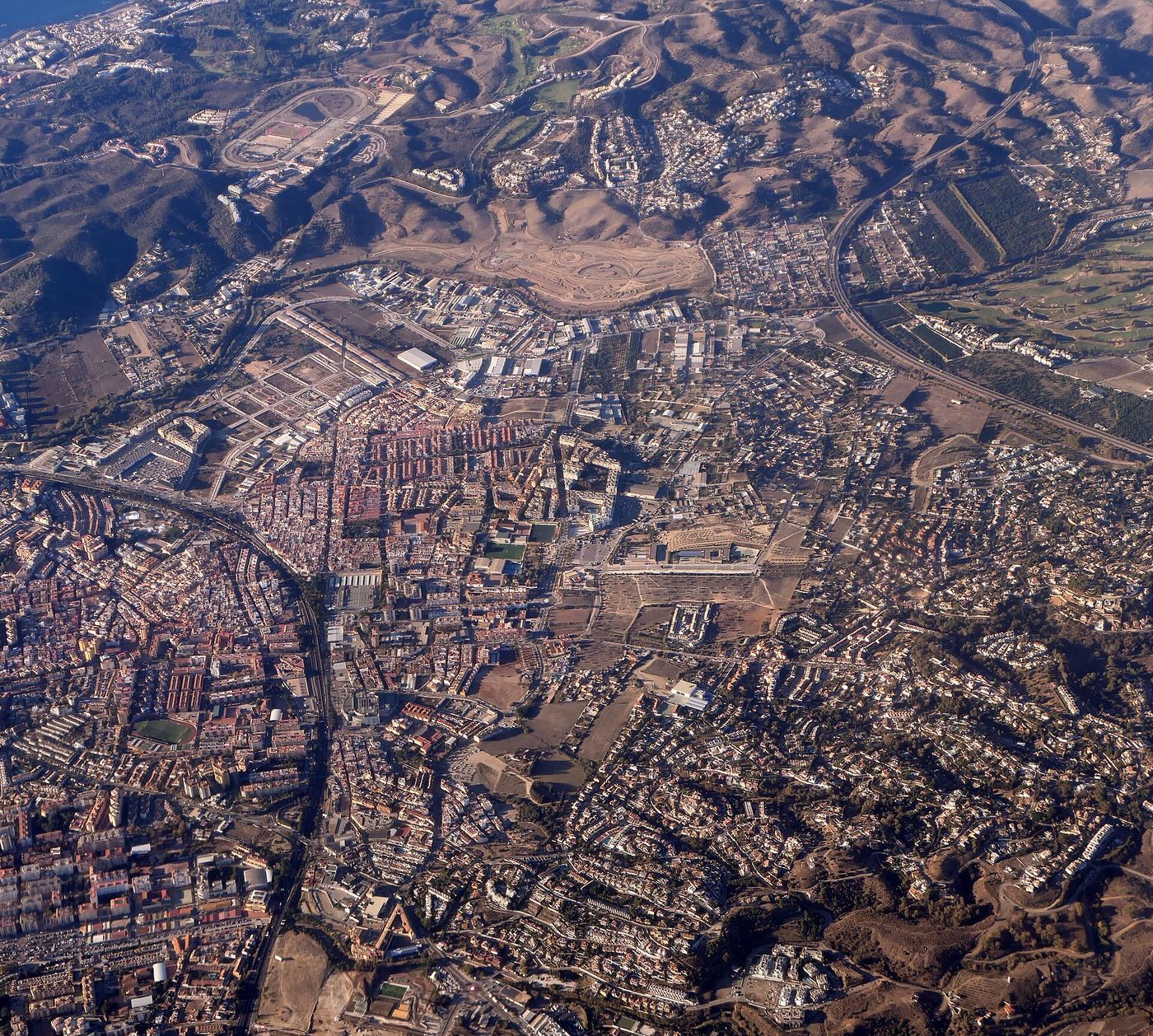
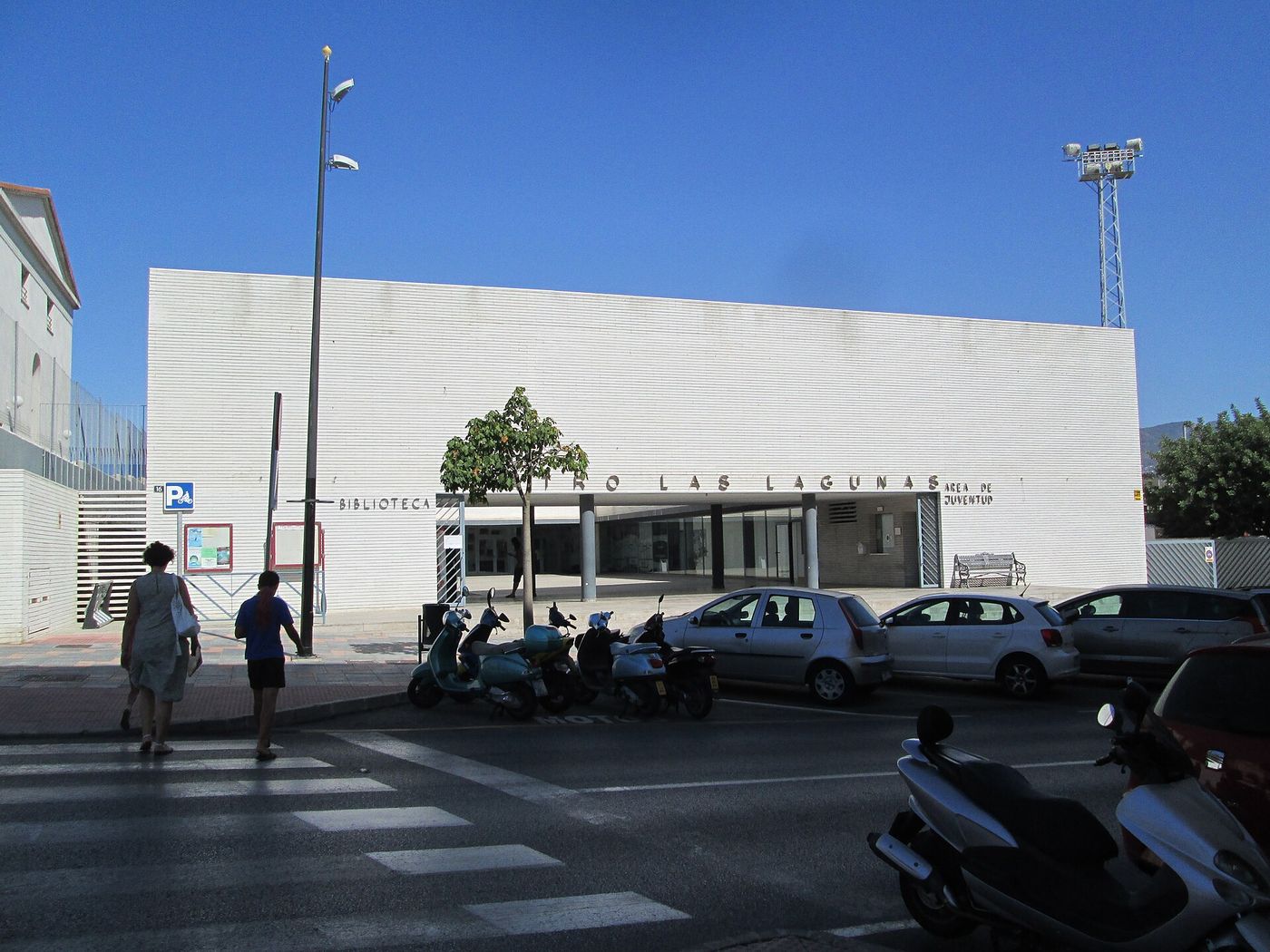
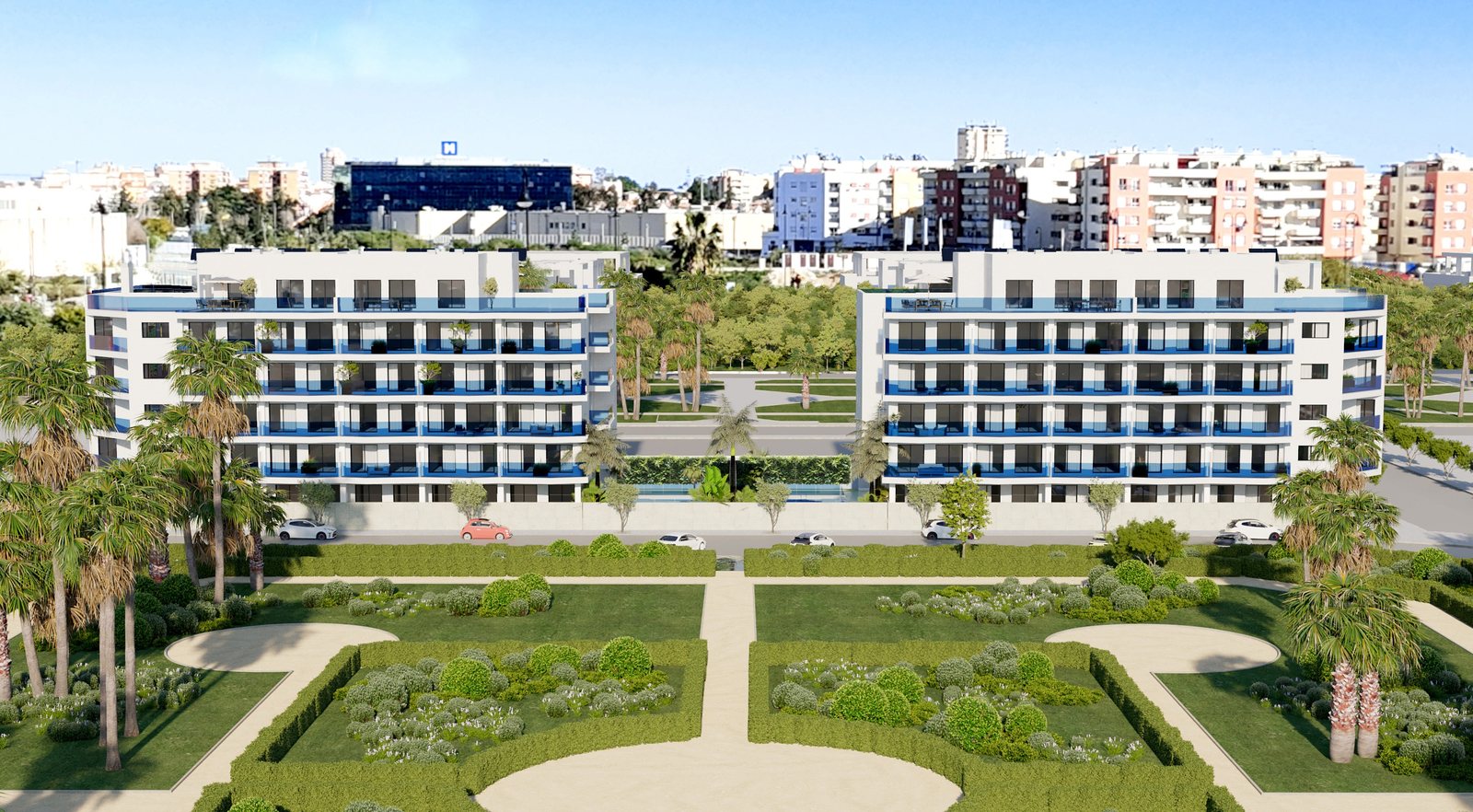
Most of inland Mijas does not live in the postcard village. Las Lagunas, on the flat land behind Fuengirola, had 46,972 residents in 2019, more than half the municipality, against 3,531 in the Pueblo. It is a dense grid of apartment blocks, supermarkets, schools, the Teatro Las Lagunas, the municipal sports city and the health centre, and it runs straight into Fuengirola, whose train station and beaches are about 2 km away. This is where many people buy a first flat: Las Cañadas and the centre are among the cheapest addresses on this stretch of coast, while rents are pushed up by demand from Fuengirola.
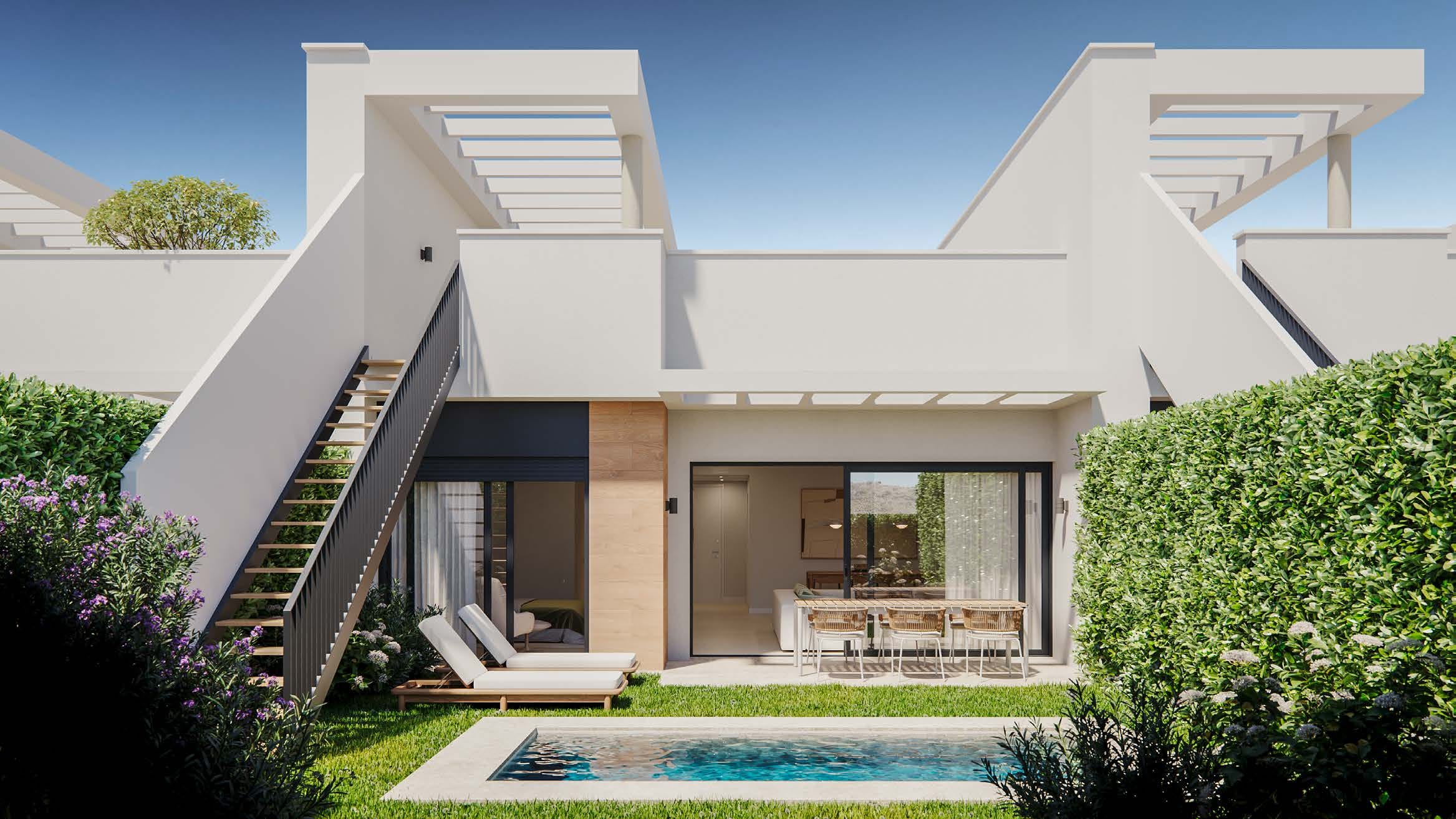
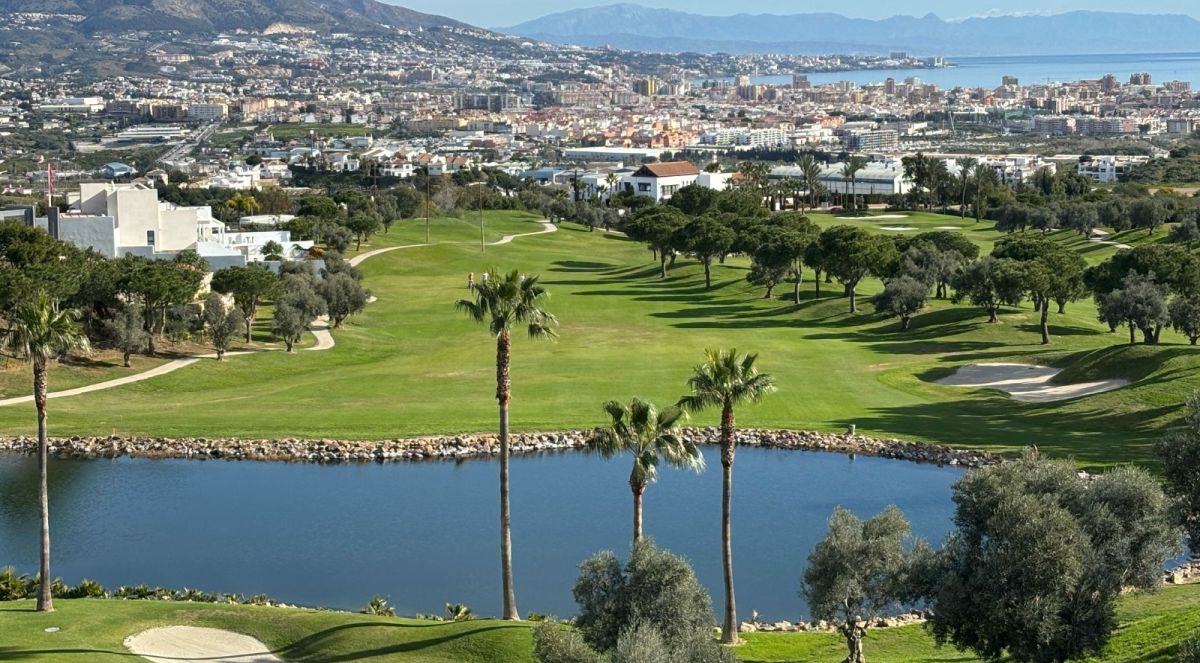
Around the two centres are quieter pockets: Osunillas on the road to Benalmádena, Valtocado and La Alquería in the hills west of the village, Campo Mijas, the Mijas Golf urbanisation built around two 18-hole courses, and the villas of Cerros del Águila. More than 30,000 of Mijas's residents are foreign (British and German were historically the largest groups) and English is widely spoken in the village's restaurants and shops. Families use the bilingual state schools and the British-curriculum Ark Christian School in Las Lagunas; the urbanisations are villas and townhouses where a car is essential.
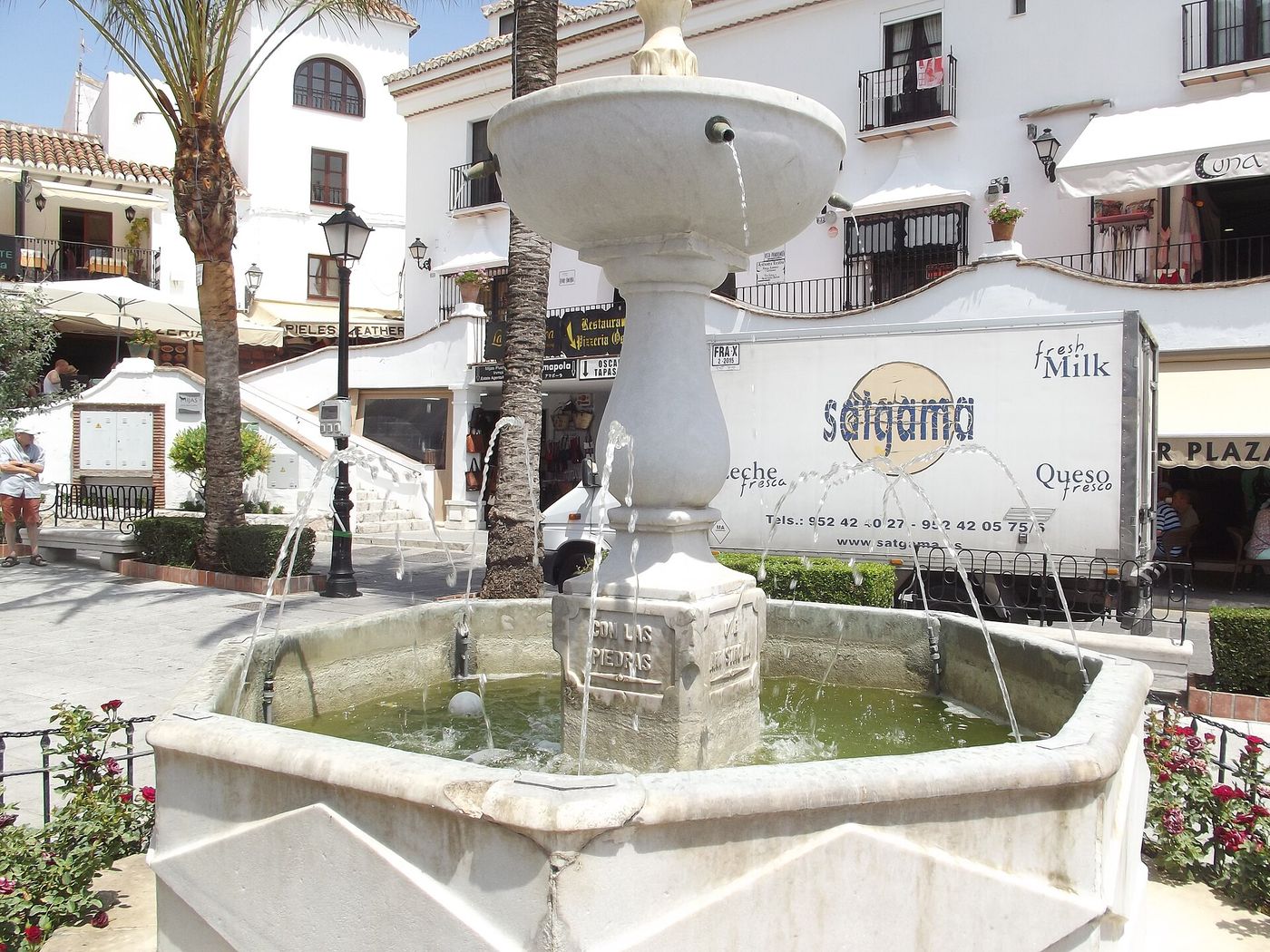
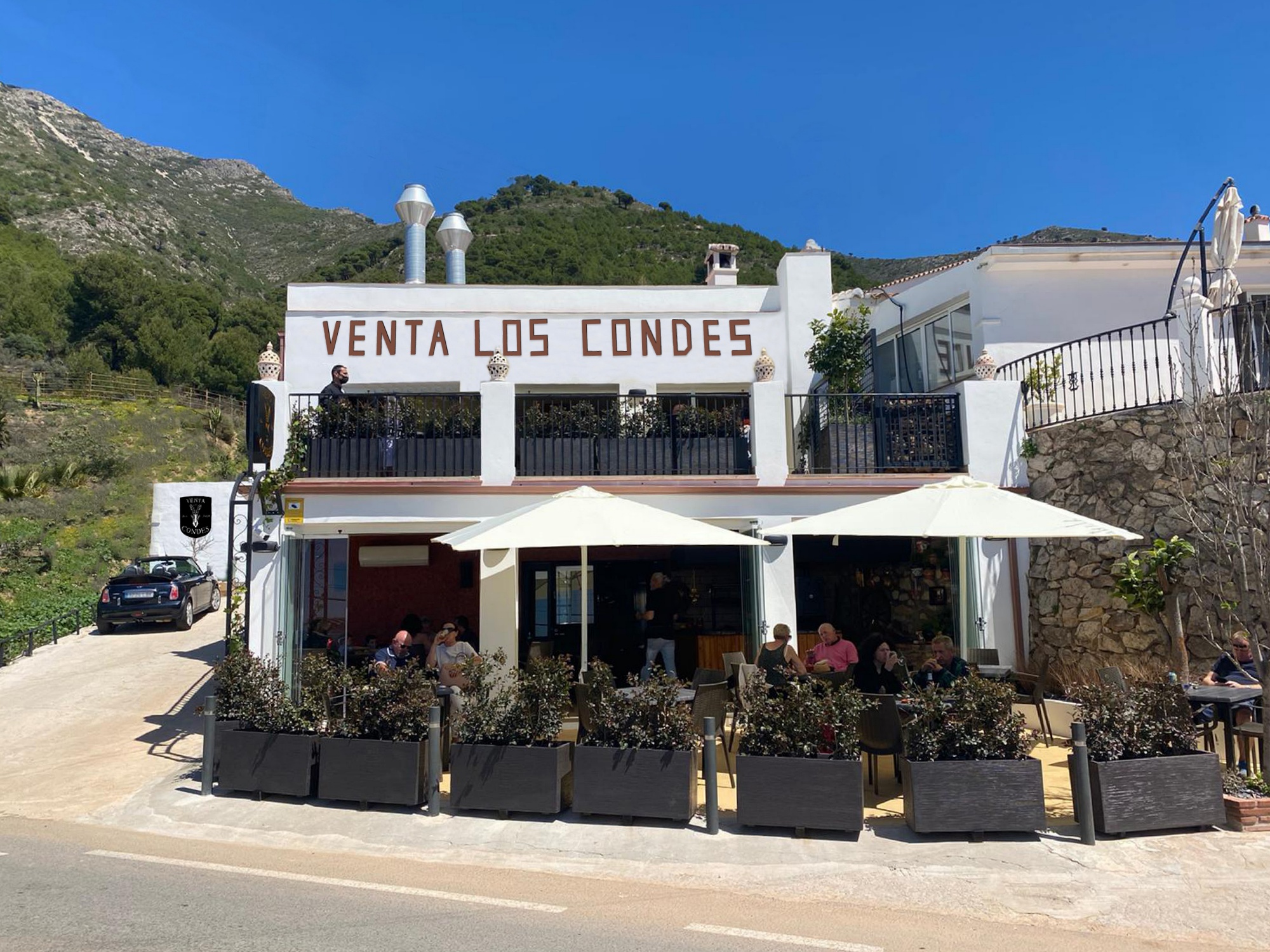
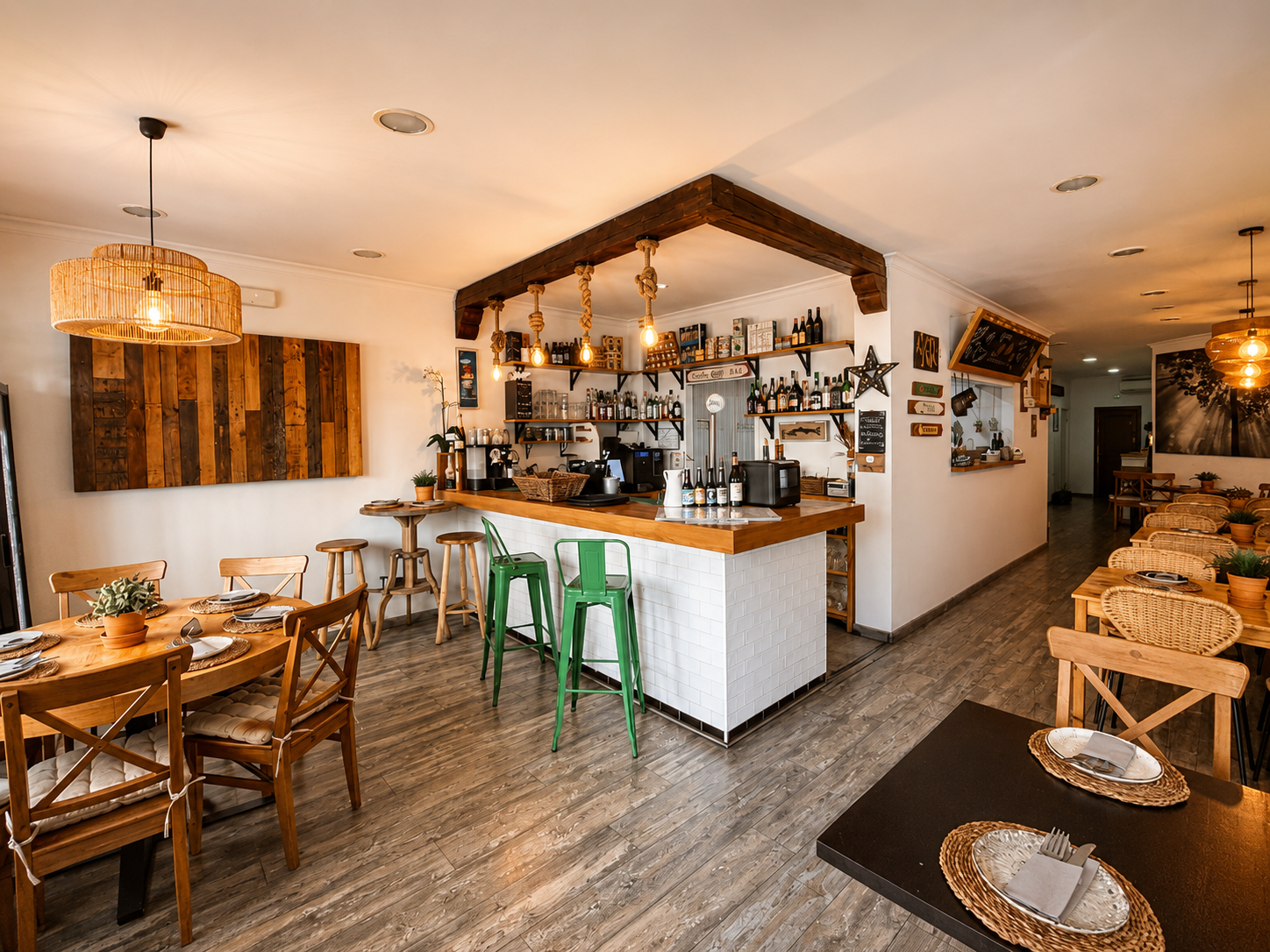
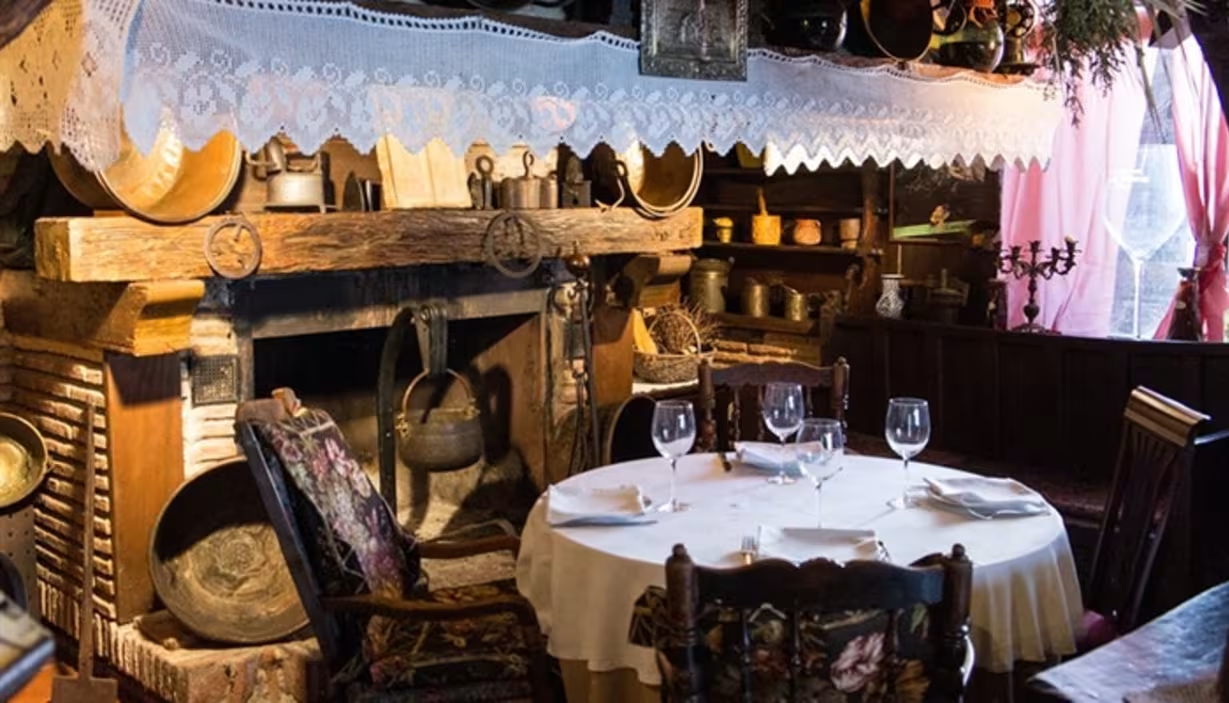
The village changes more by the hour than by the month. Day-trippers and coach groups fill Plaza Virgen de la Peña, the burro-taxi rank and Calle San Sebastián from mid-morning; by evening the lanes are quiet and dinner is the main event. The council puts on free flamenco at noon (Wednesdays and Saturdays in the November 2026 programme), the feria and patron-saint days fill the first fortnight of September (8 September is the Virgen de la Peña), Las Lagunas holds its feria at the end of June, and on 17 January pets are blessed at the San Antón chapel in Osunillas. Aquamijas opens for the summer and closes in mid-September.
The honest downsides: there is no beach. The village is a 15–20 minute drive from the sand and Las Lagunas a 5-minute one. The Pueblo's streets are steep and narrow, cars are best left in the municipal car park on Avenida Virgen de la Peña, and village restaurants are priced for visitors. Las Lagunas is dense, crossed by the A-7 motorway and short of parking; the hill urbanisations depend on a car and on the A-387 Mijas road. The Hipódromo Costa del Sol, the racecourse that once ran the winter Mijas Cup, has held no race meeting since August 2012; the town hall took over the site in December 2025.