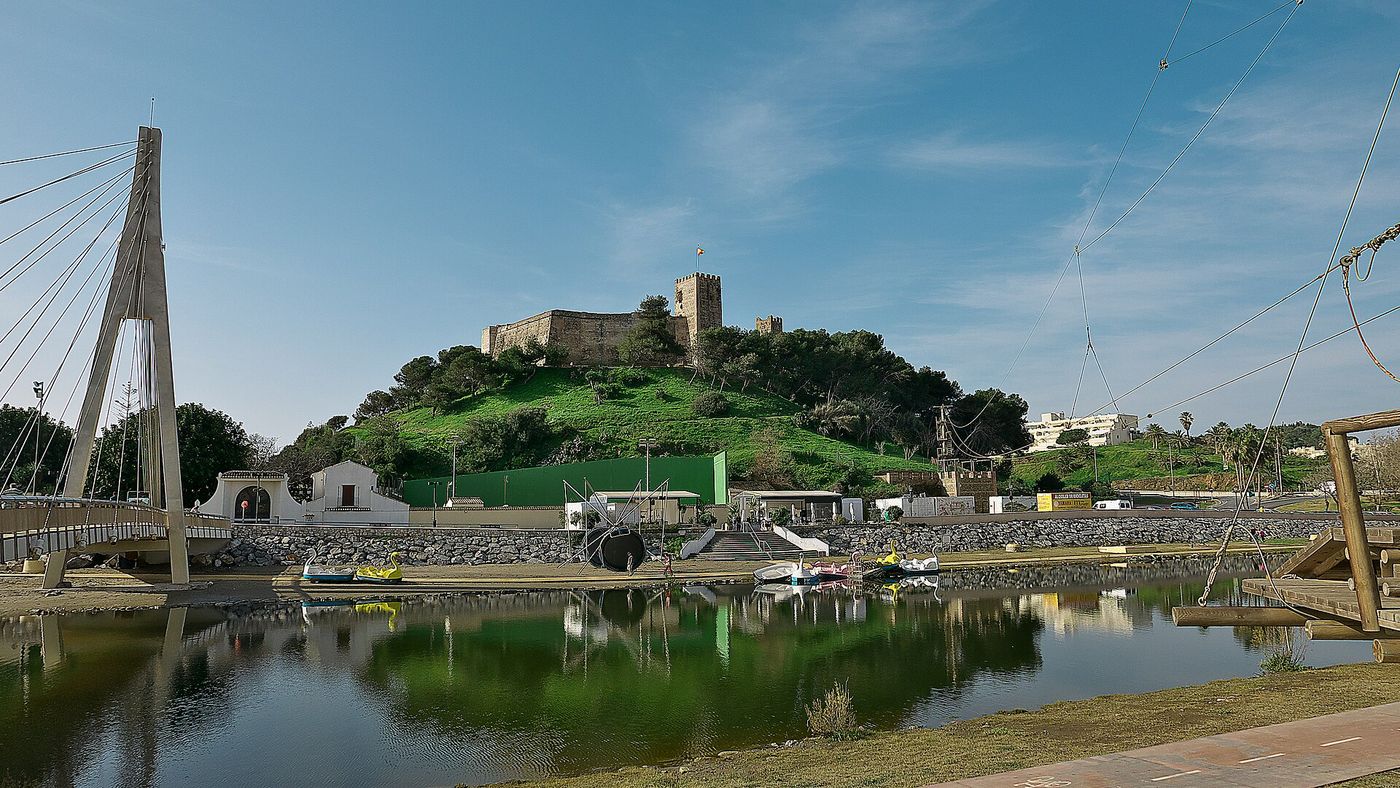
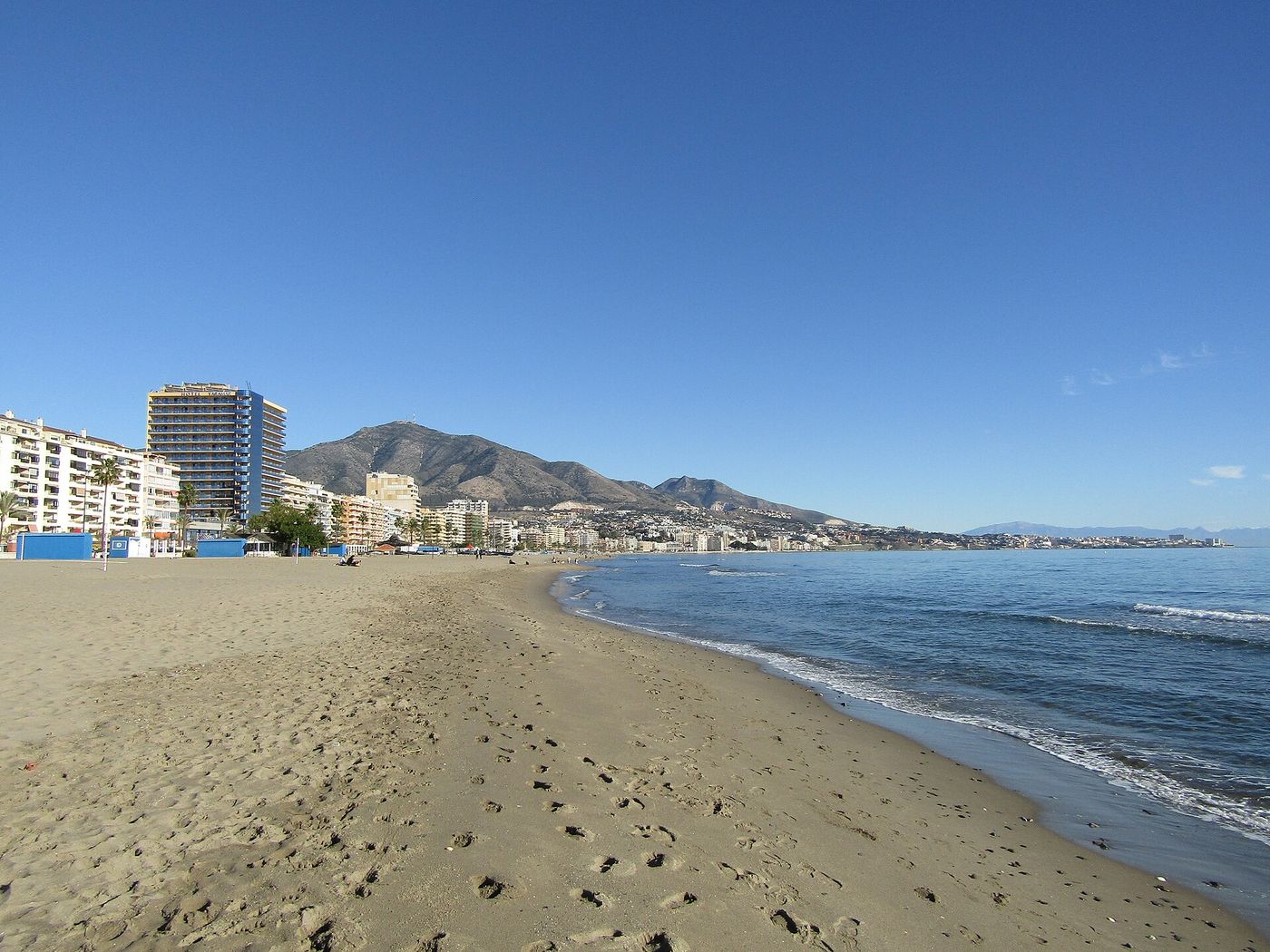
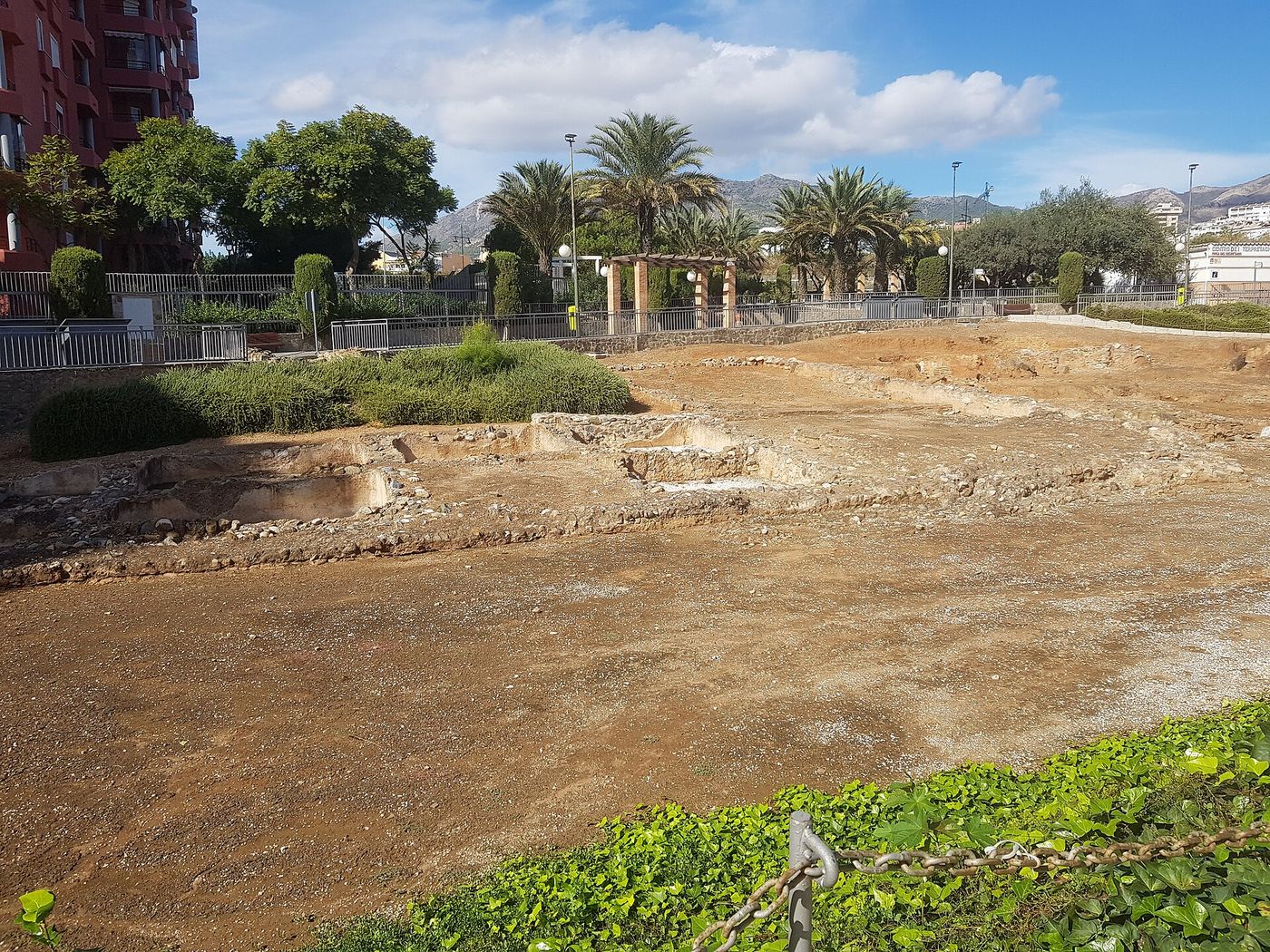
Fuengirola is old ground. Phoenicians and then Romans knew the settlement as Suel, and the Moorish fortress of Sohail on the hill above the river mouth was built in 956 on the orders of Abd al-Rahman III. After the Christian conquest of 1485, raids from North Africa kept this stretch of coast almost empty for centuries; the modern town grew from a beach tavern into a fishing village and only became its own municipality, separate from Mijas, in 1841. The railway arrived in 1916, the first seafront hotels in the 1930s, and the tourism boom of the 1960s built the dense resort town of today.
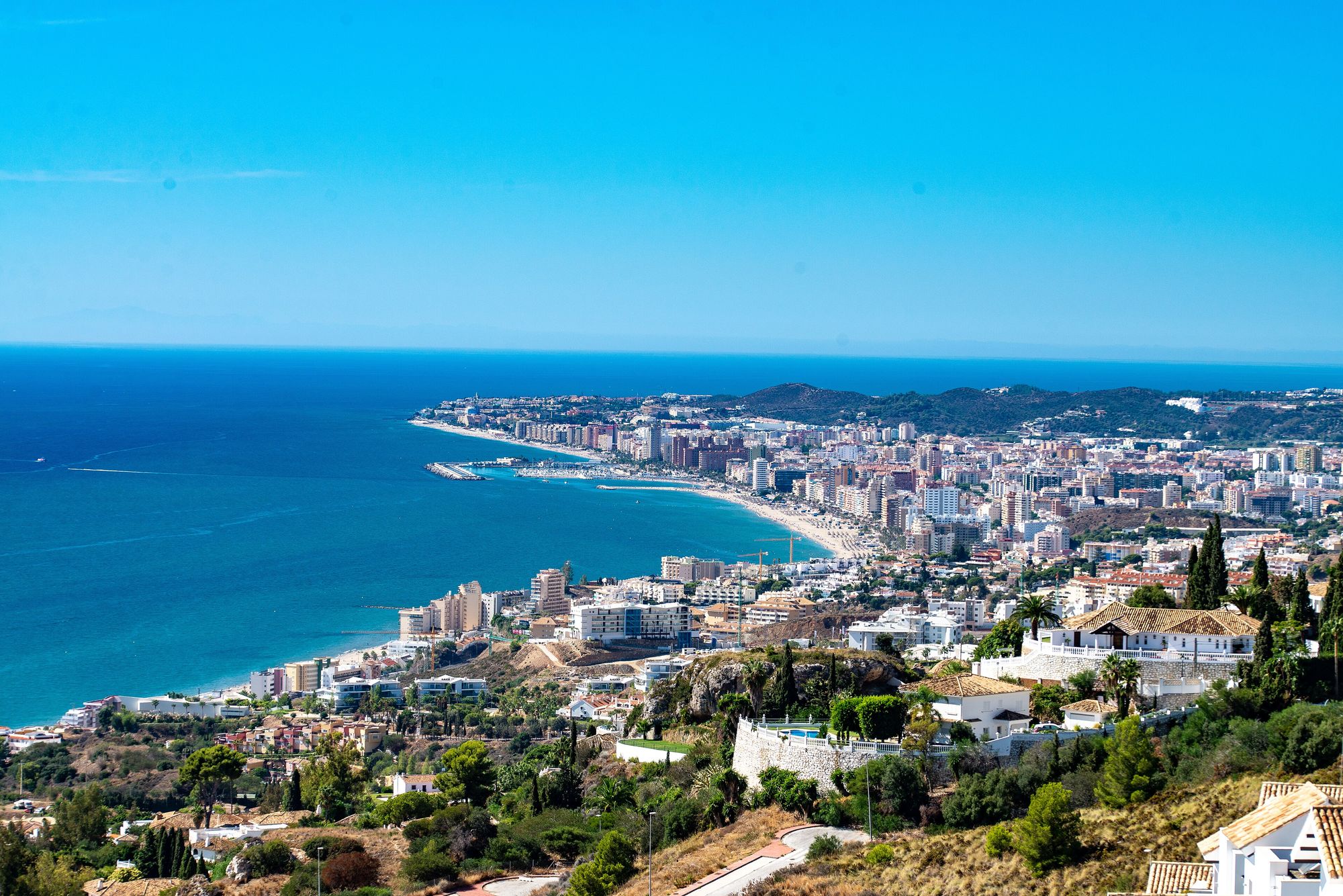
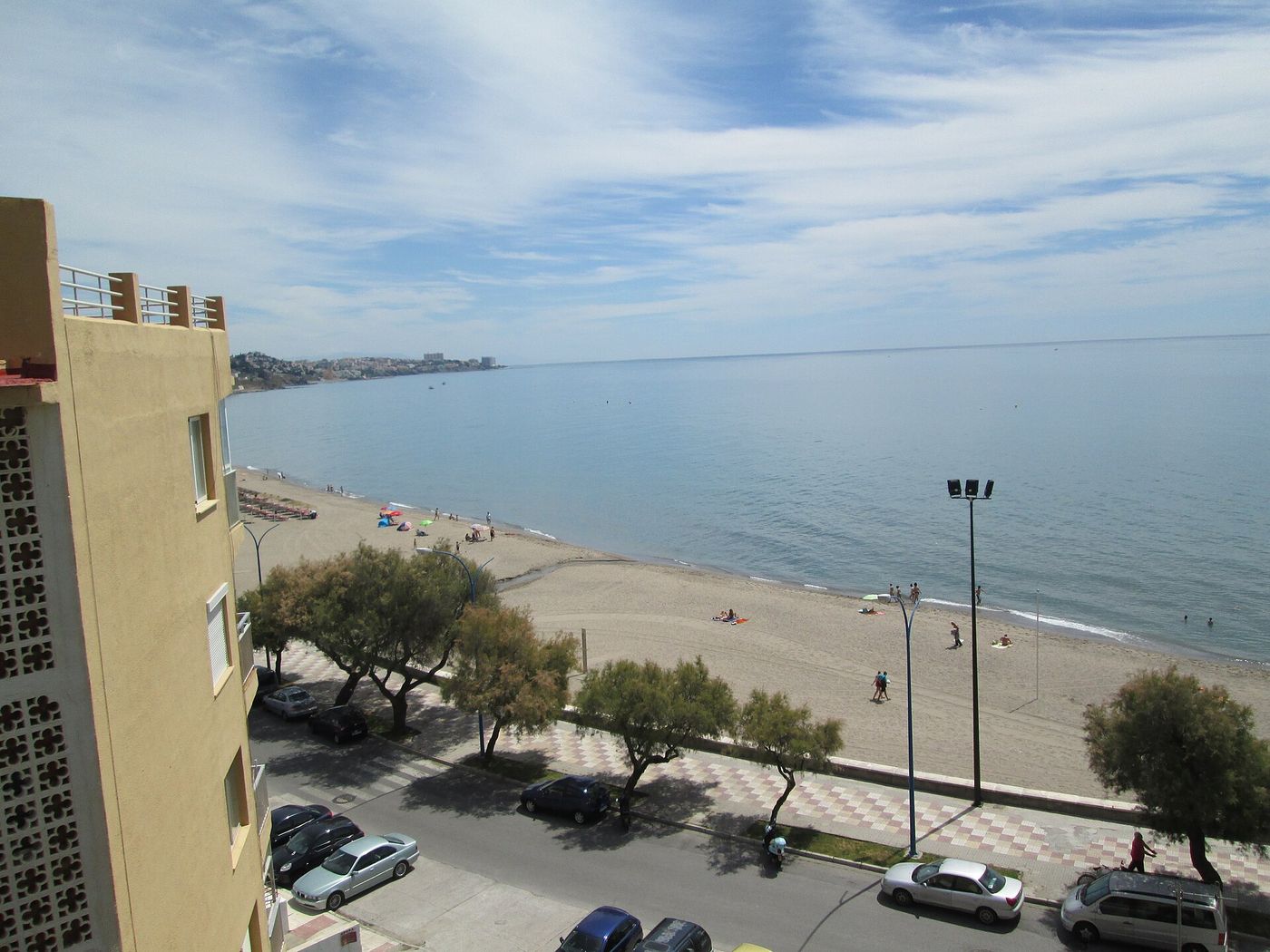
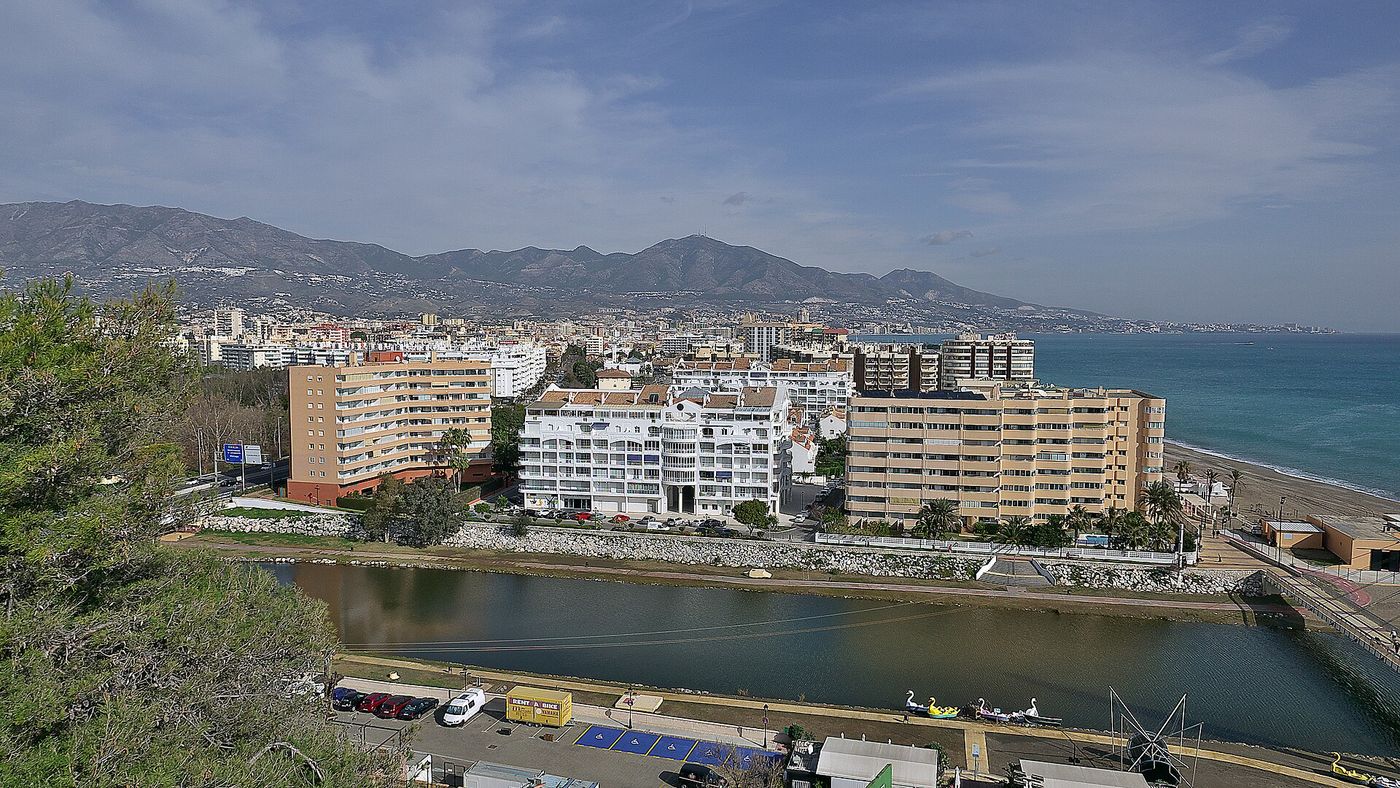
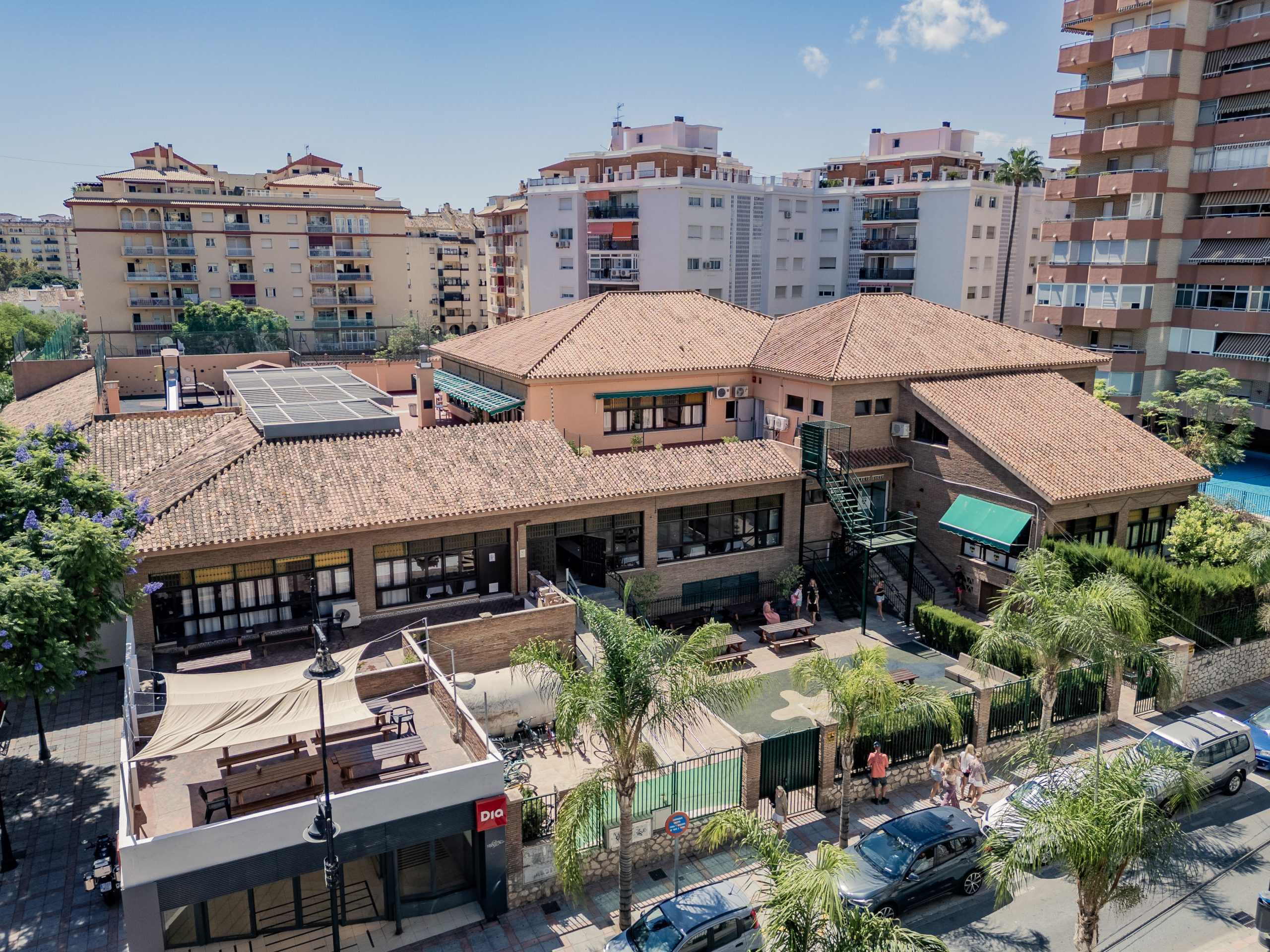
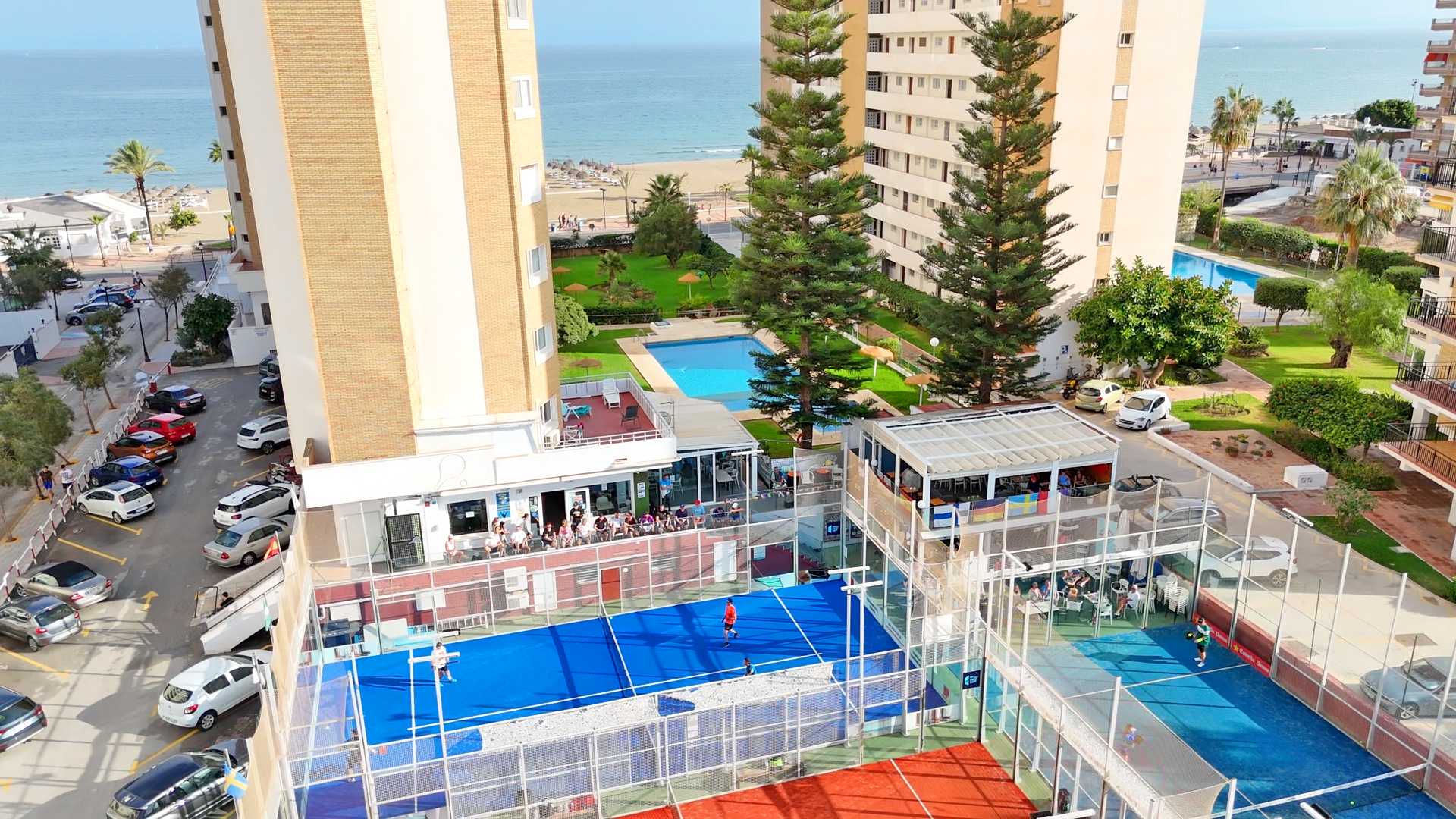
The town is small and almost completely built up: about 10.4 km² holding 85,211 registered residents (INE, 2025), roughly 8,000 people per square kilometre. Daily life runs along two parallel lines, the Paseo Marítimo on the sand and the Avenida de los Boliches one block inland, with supermarkets, bakeries, health centres, schools and four stations of the C1 commuter train within walking distance of most flats. On Tuesday mornings the fairground fills with one of the largest street markets in Andalusia, and on Saturdays the same site hosts the second-hand rastro.
Fuengirola is one of the most international towns on the coast: about 44% of residents were born abroad, and the largest groups by country of birth are Finland (about 4,400 people), Morocco, the United Kingdom, Argentina and Sweden. The Finnish presence is concentrated in Los Pacos and Los Boliches, where there is a Finnish school teaching the Finnish national curriculum up to upper-secondary level, Scandinavian lunch restaurants and bars that screen Finnish ice hockey. The Swedish school on Avenida Acapulco has taught Swedish children here for more than 55 years. Many northern Europeans spend the winter here, while Spanish and Latin American families live in the town year-round.
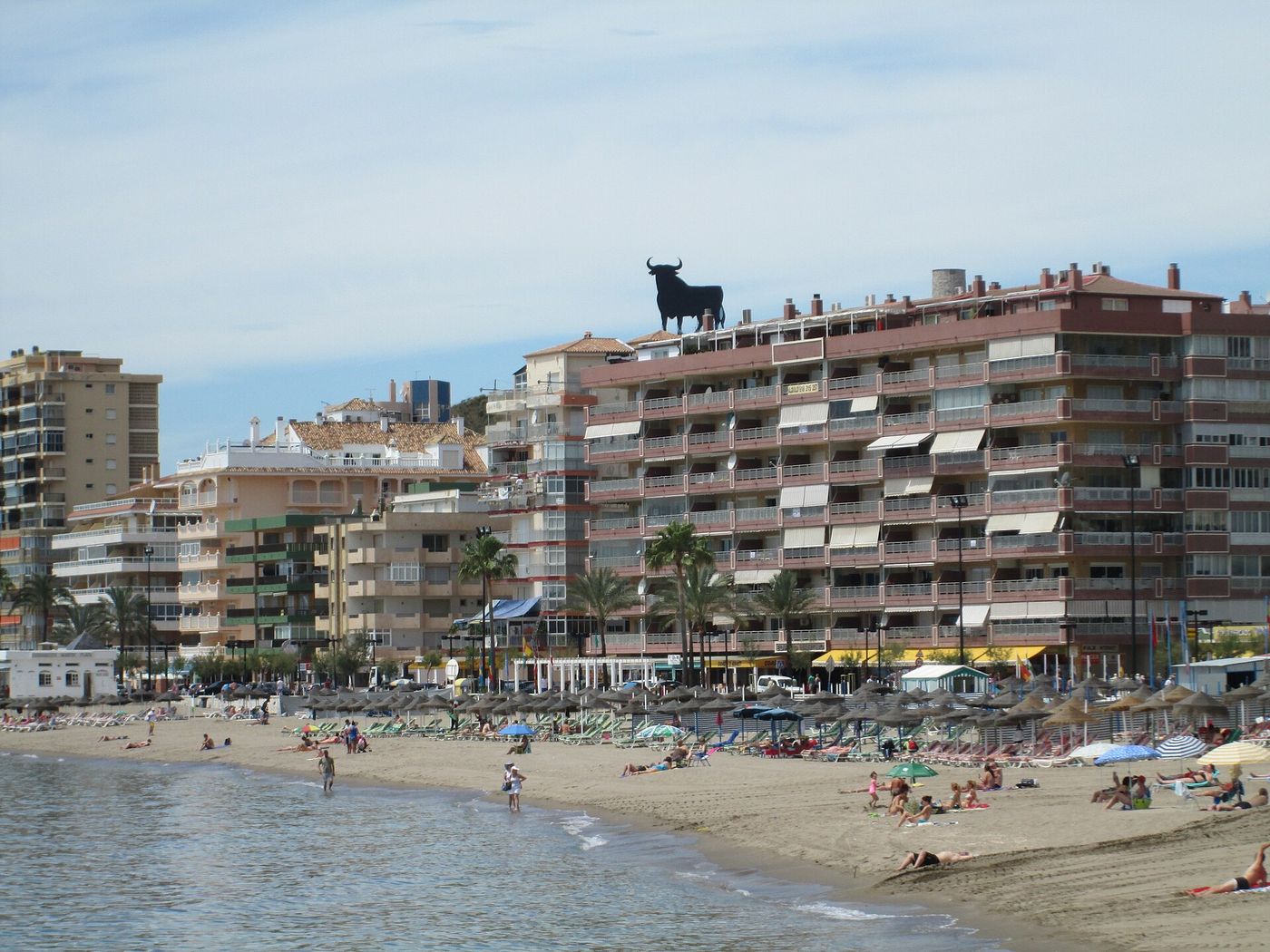
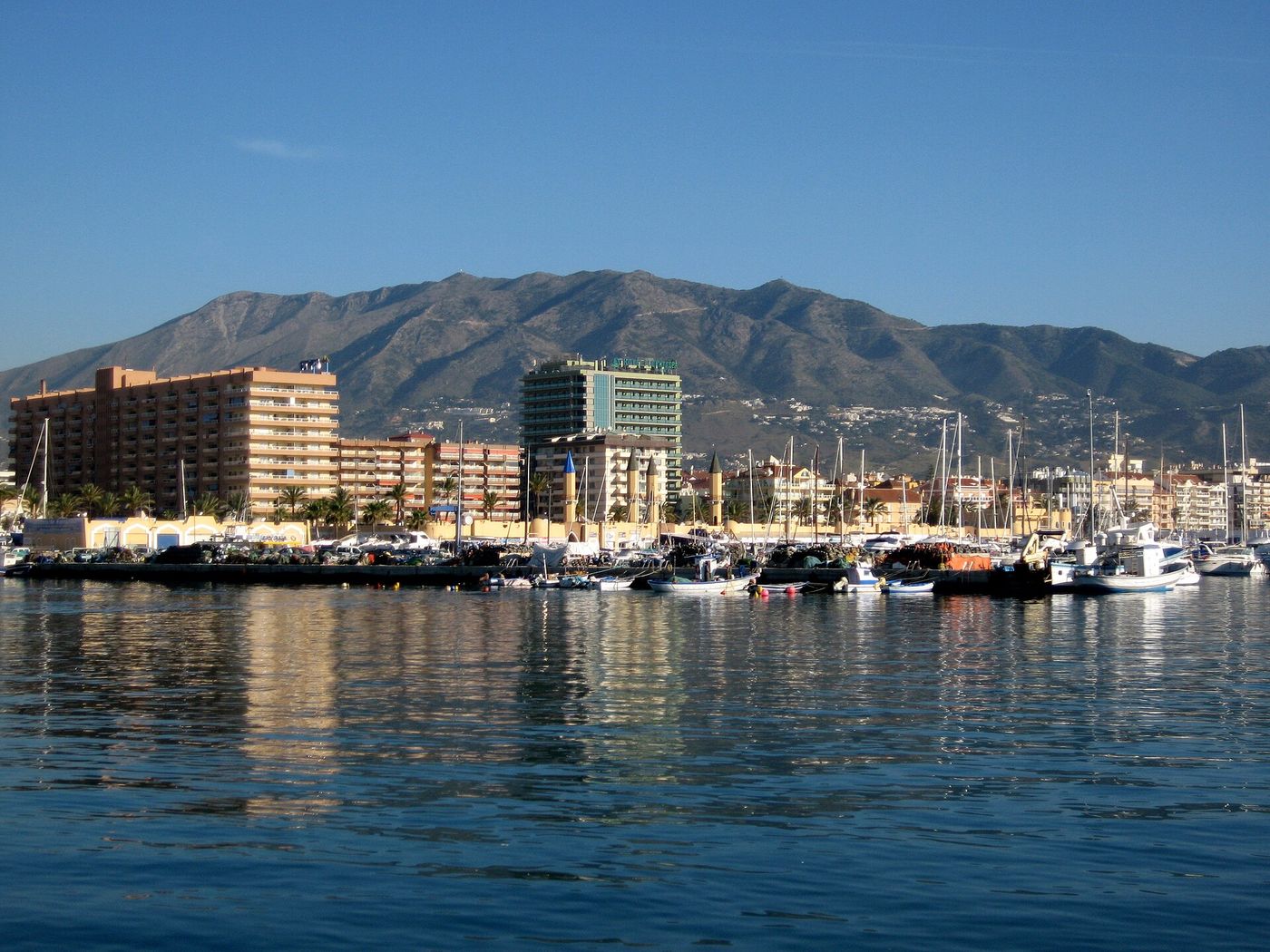
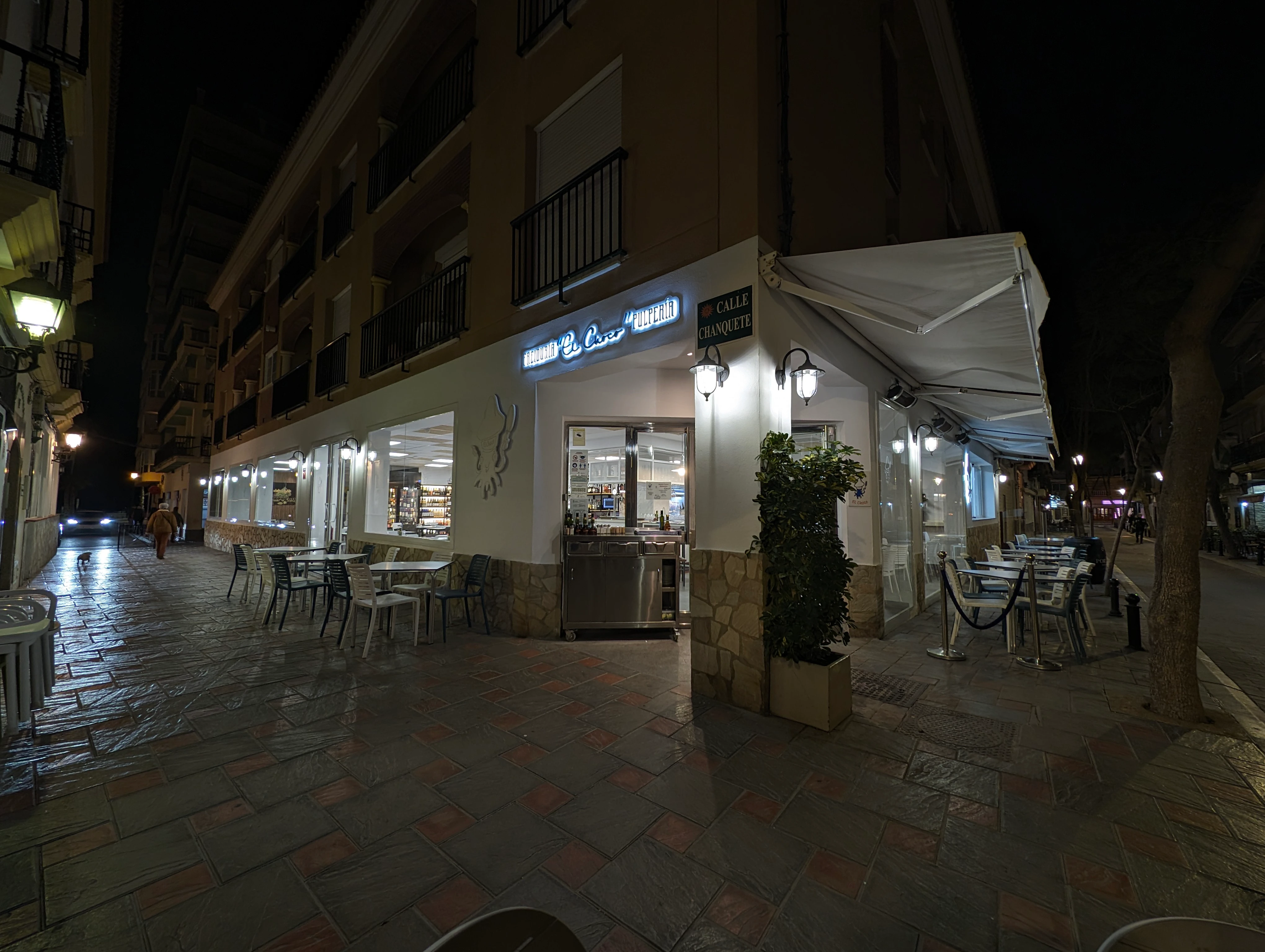
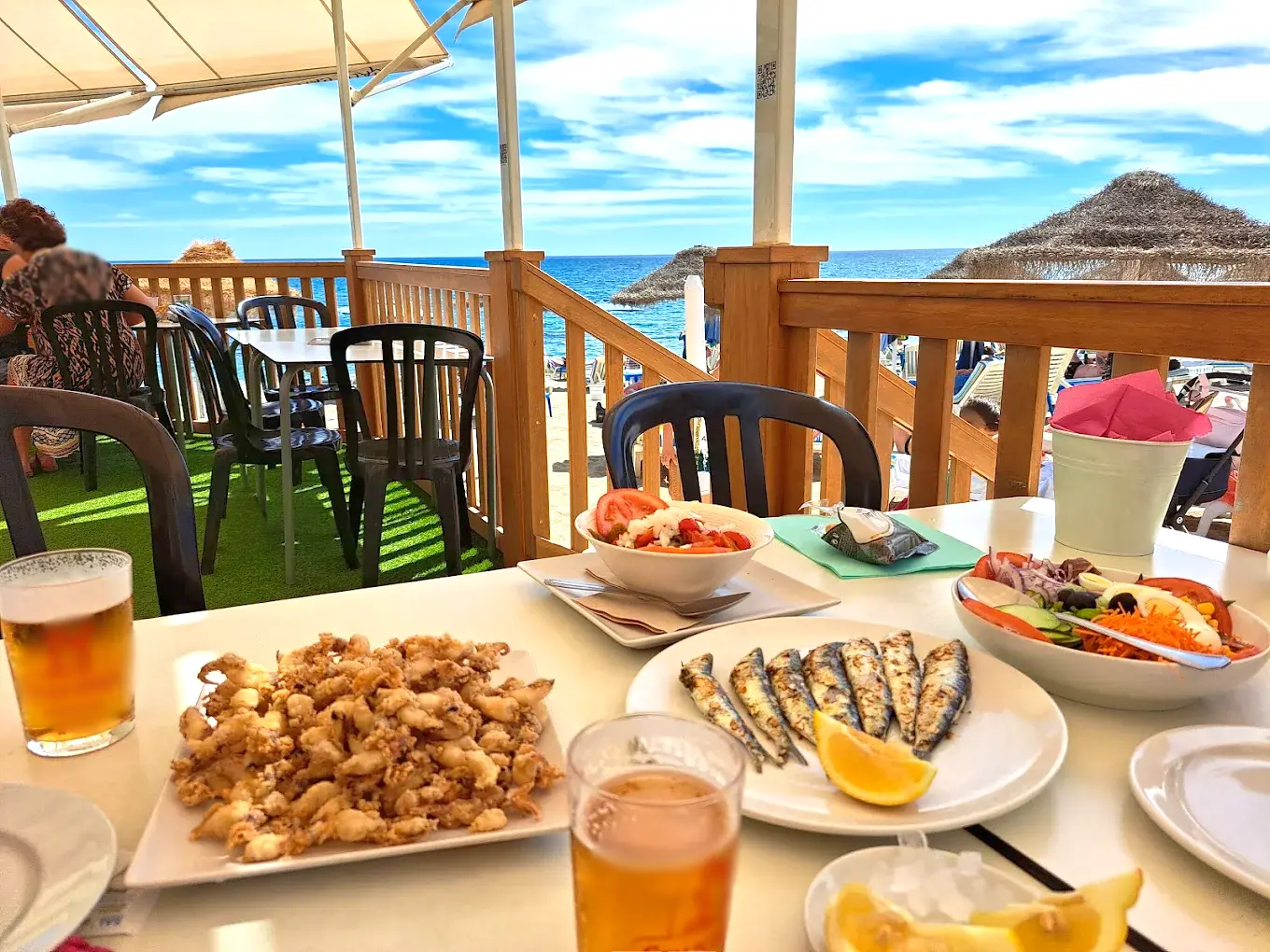
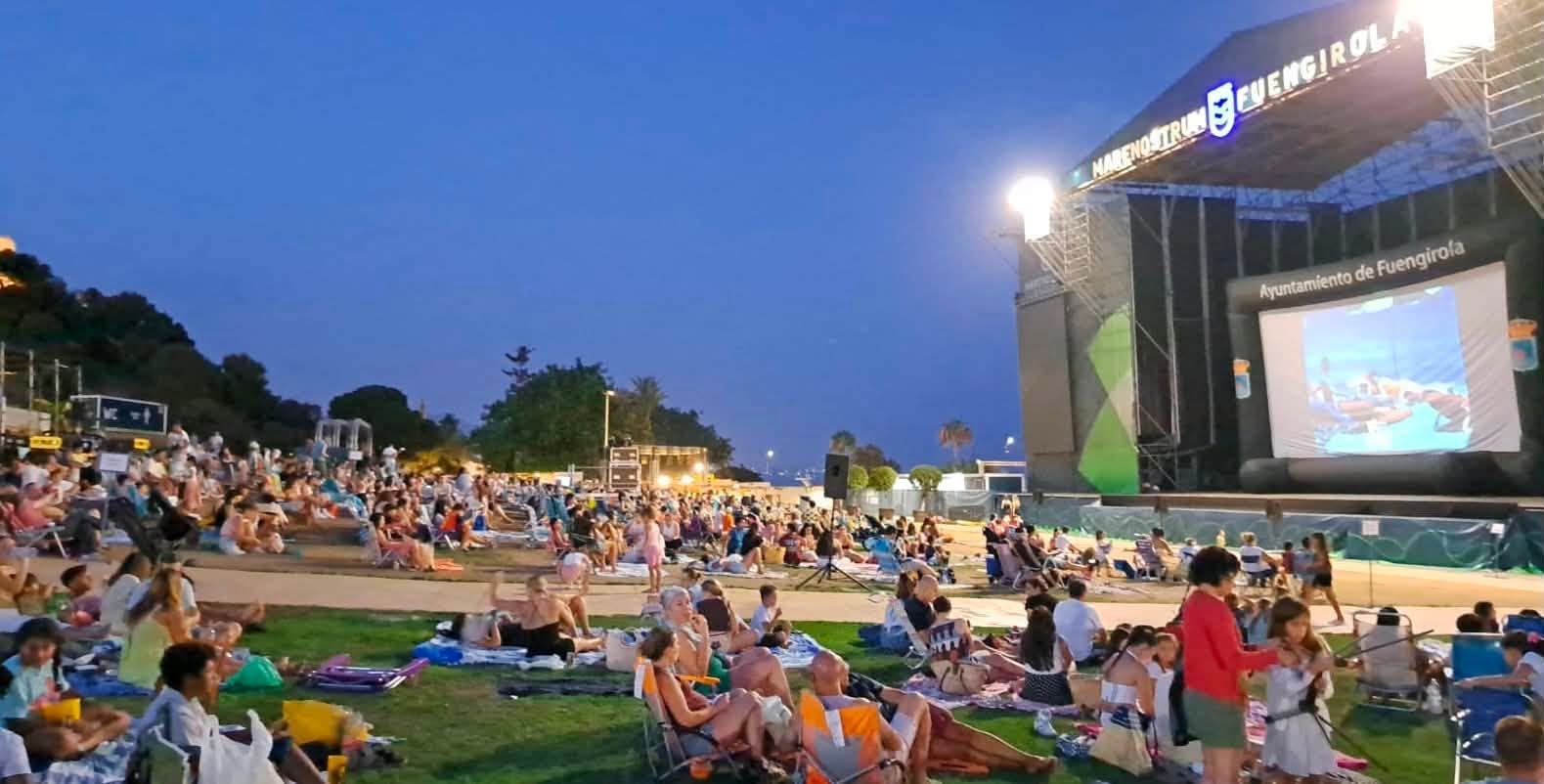
Summer changes the scale of the place: estimates of the real August population reach about 250,000. The beaches, the promenade and the bars around the port are packed, parking is close to impossible, and the castle hosts the Marenostrum concert season, which in 2026 ran from late April to late August. In winter the town stays open rather than shutting down: the sports bars fill for Premier League football, the Scandinavian restaurants run weekday lunch menus, and most chiringuitos keep serving, although a few beach restaurants close from about December to March.
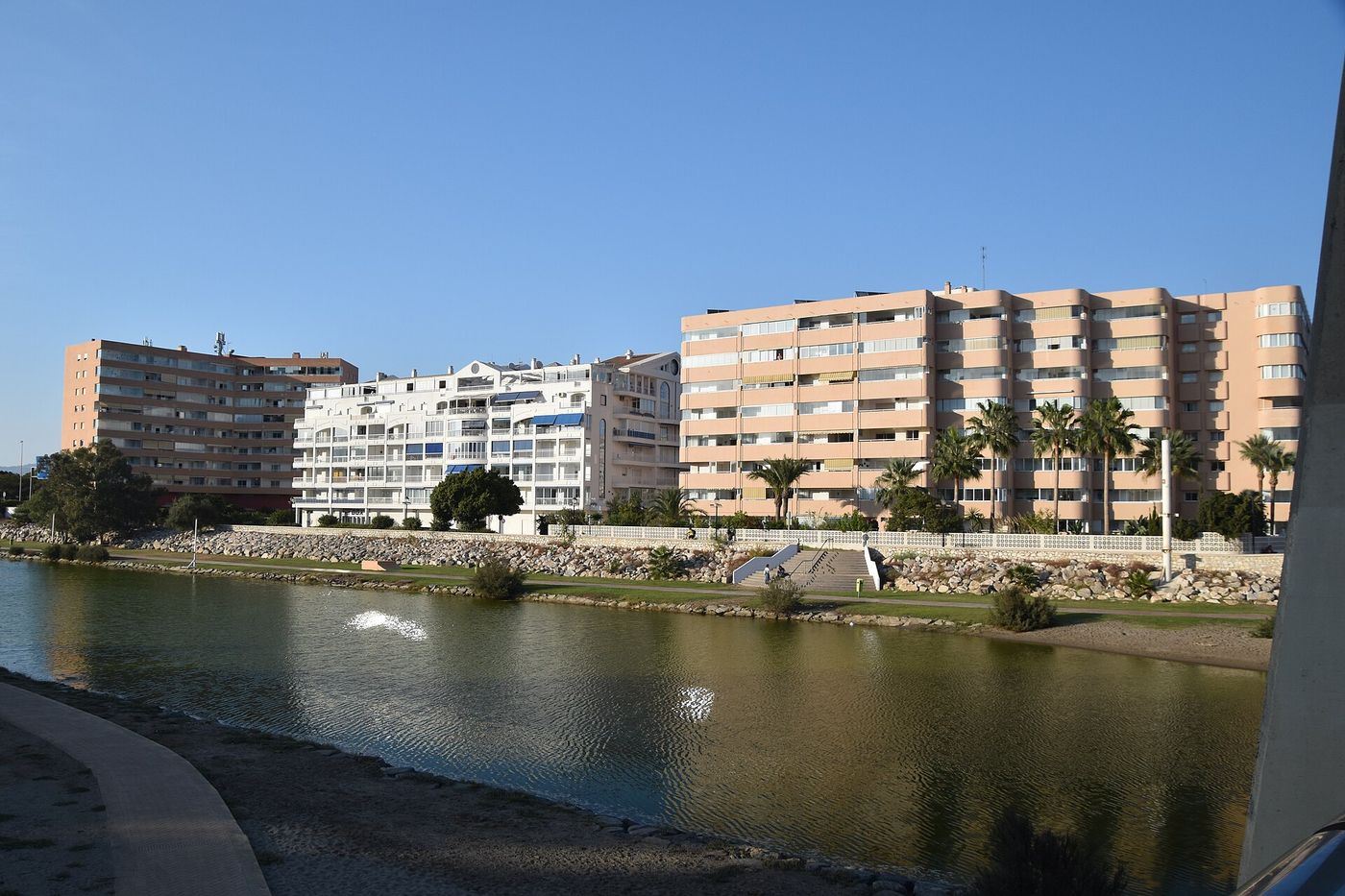
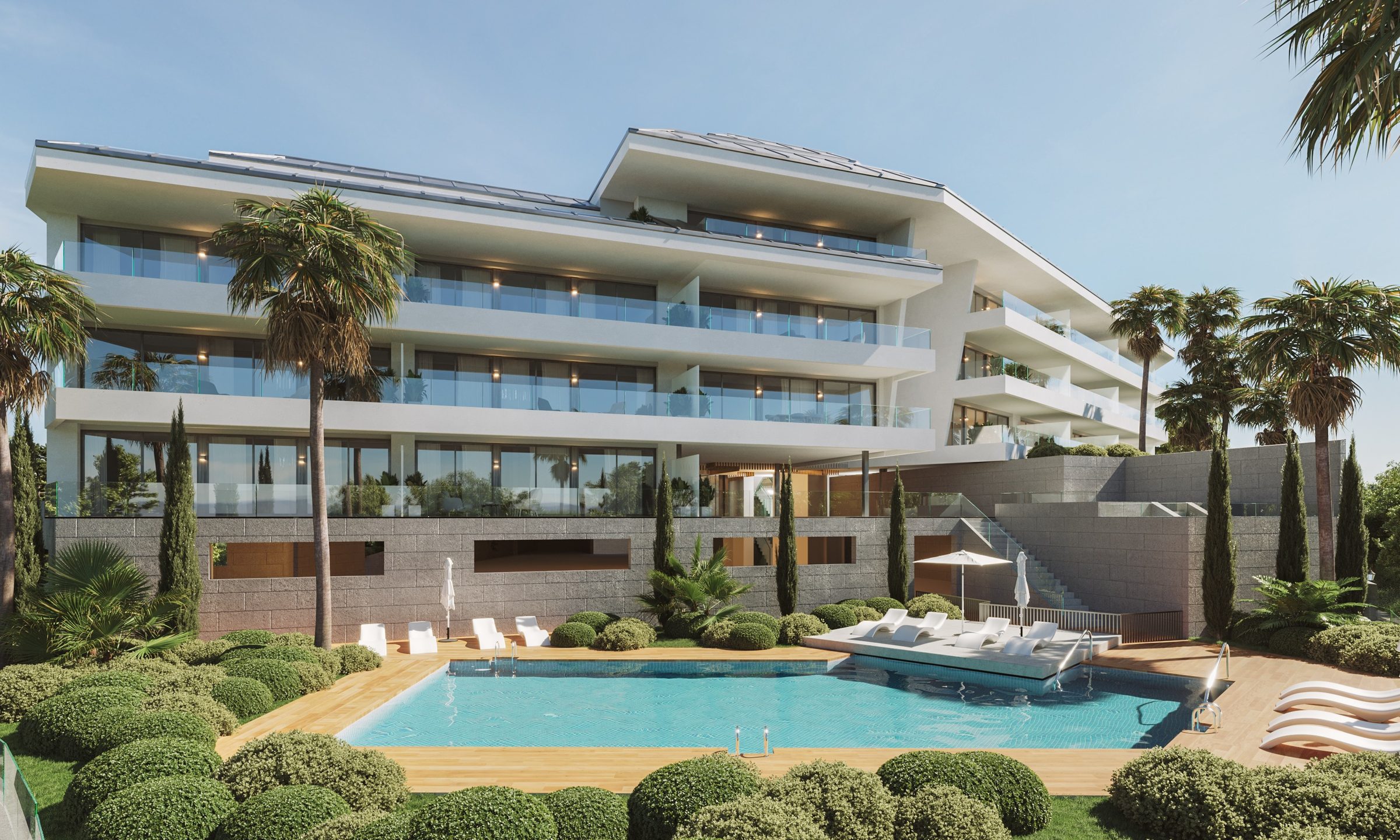
The honest downsides: housing is overwhelmingly apartment blocks, so gardens and detached houses are rare and mostly on the slopes of Torreblanca, Carvajal and El Higuerón; streets are dense and loud in July and August, especially near the late-night clubs behind the port; and sea-water quality has drawn complaints while a new wastewater treatment plant has been delayed. There is no golf course and no hospital inside the municipality. The nearest A&E departments are the private Vithas Xanit Internacional in Benalmádena and the public Hospital Costa del Sol in Marbella.