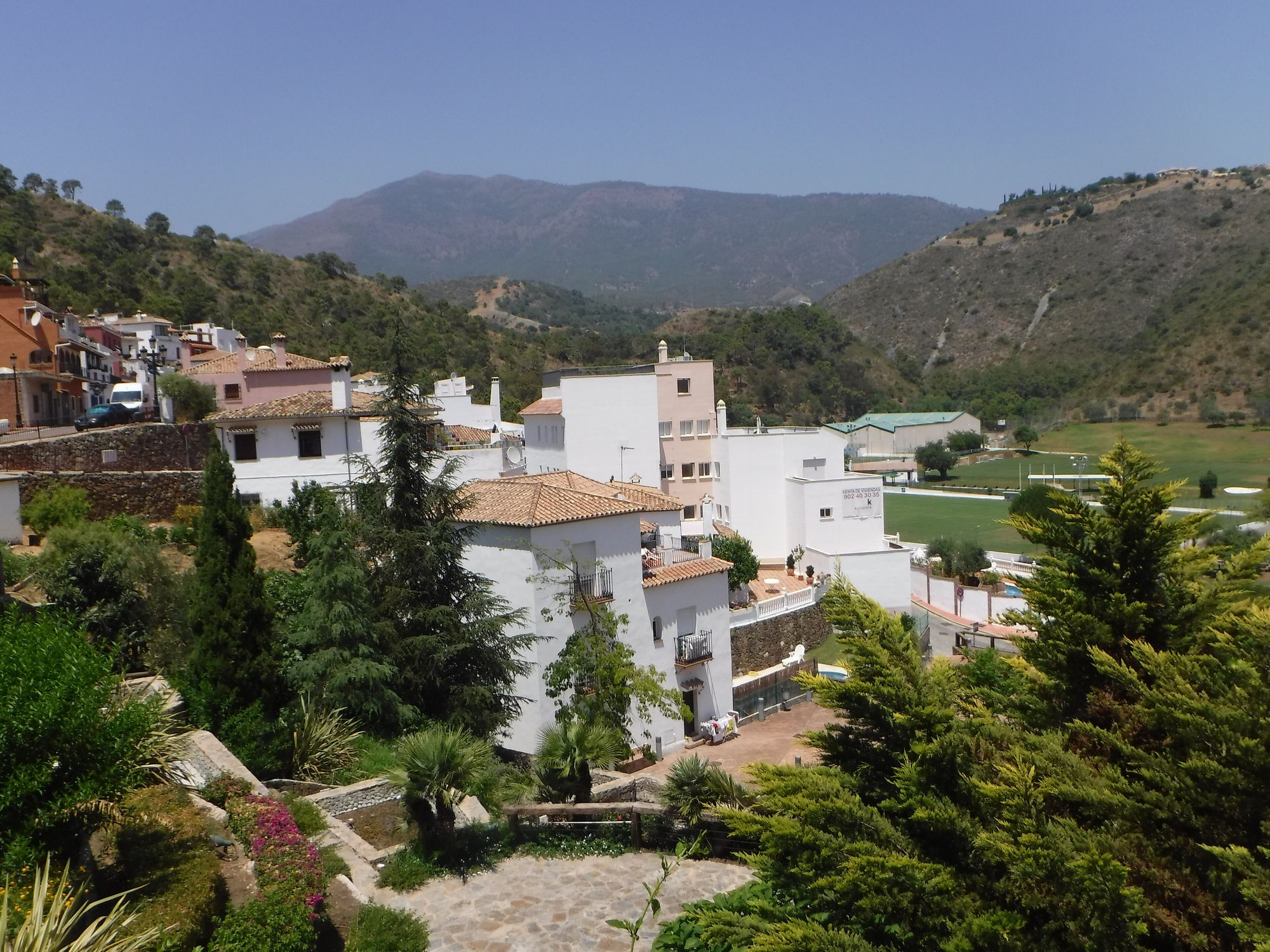
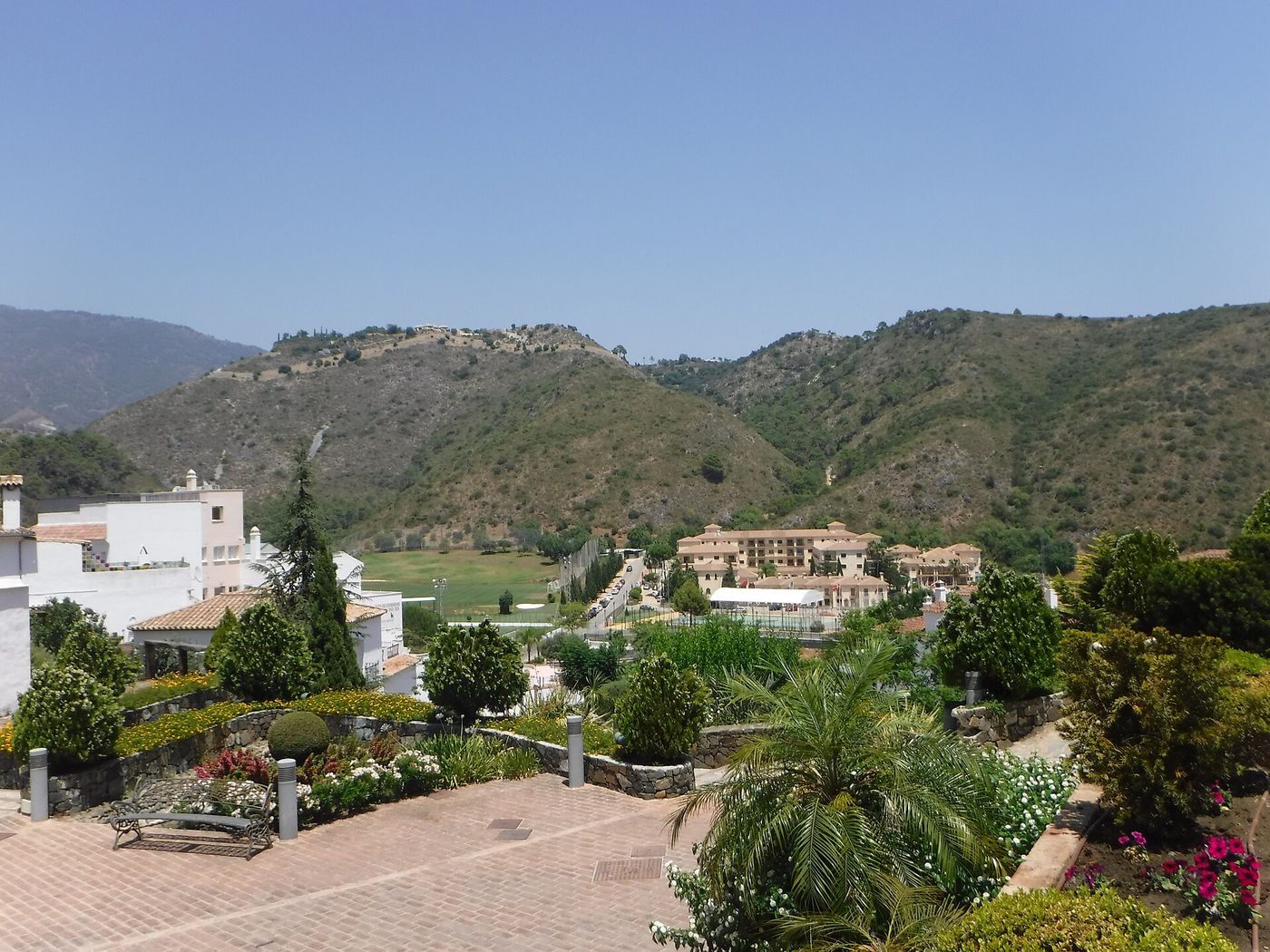
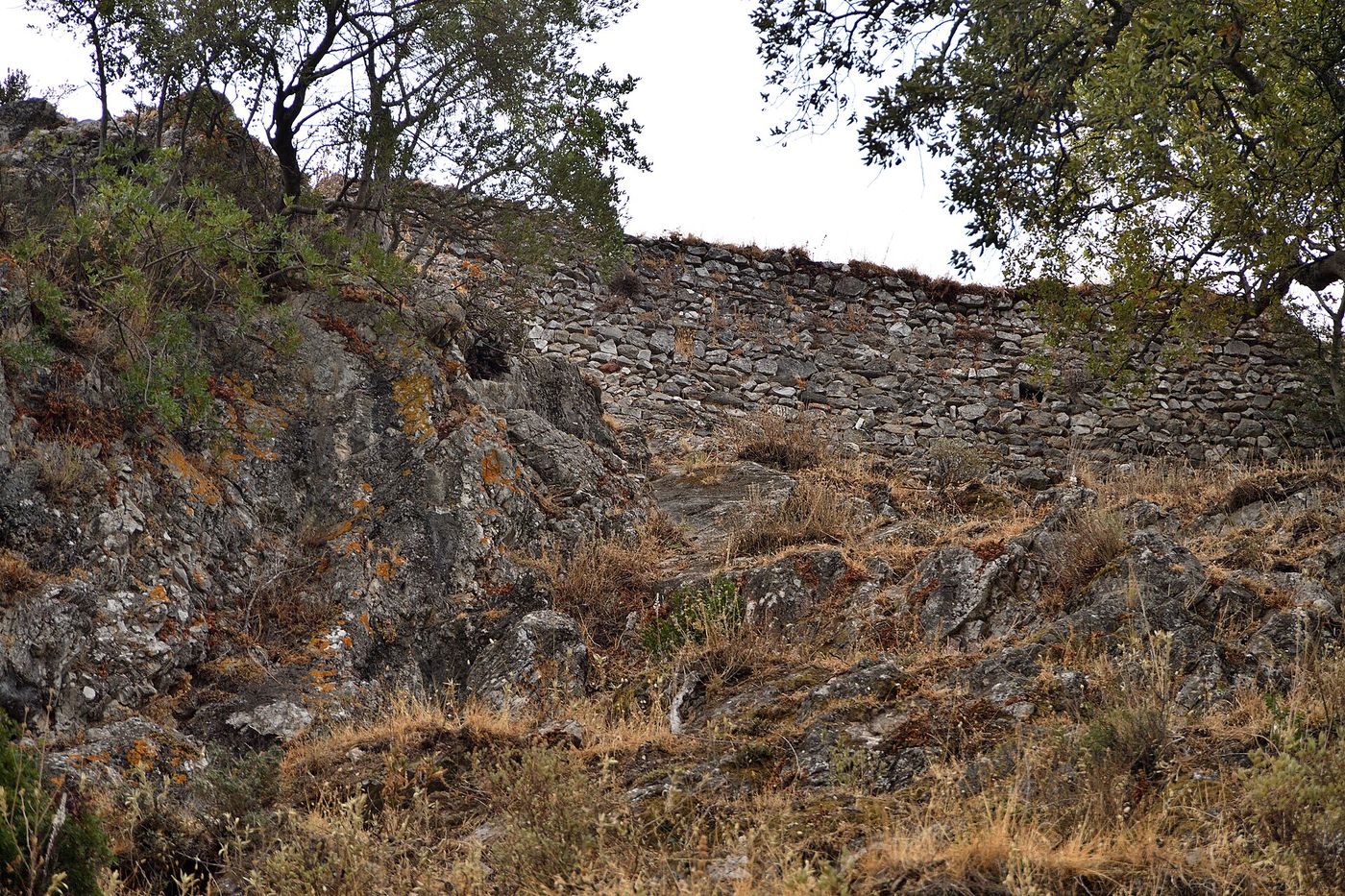
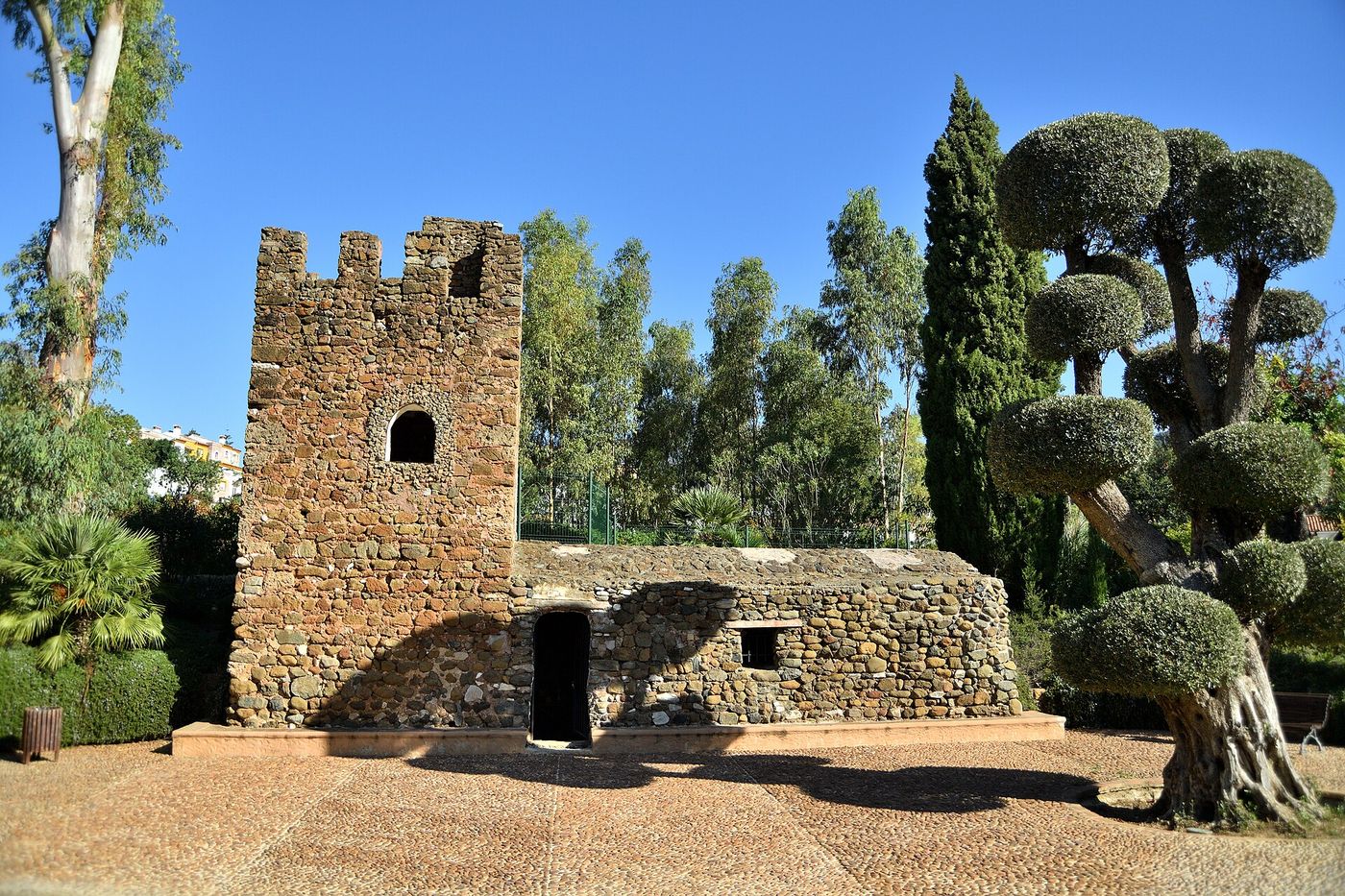
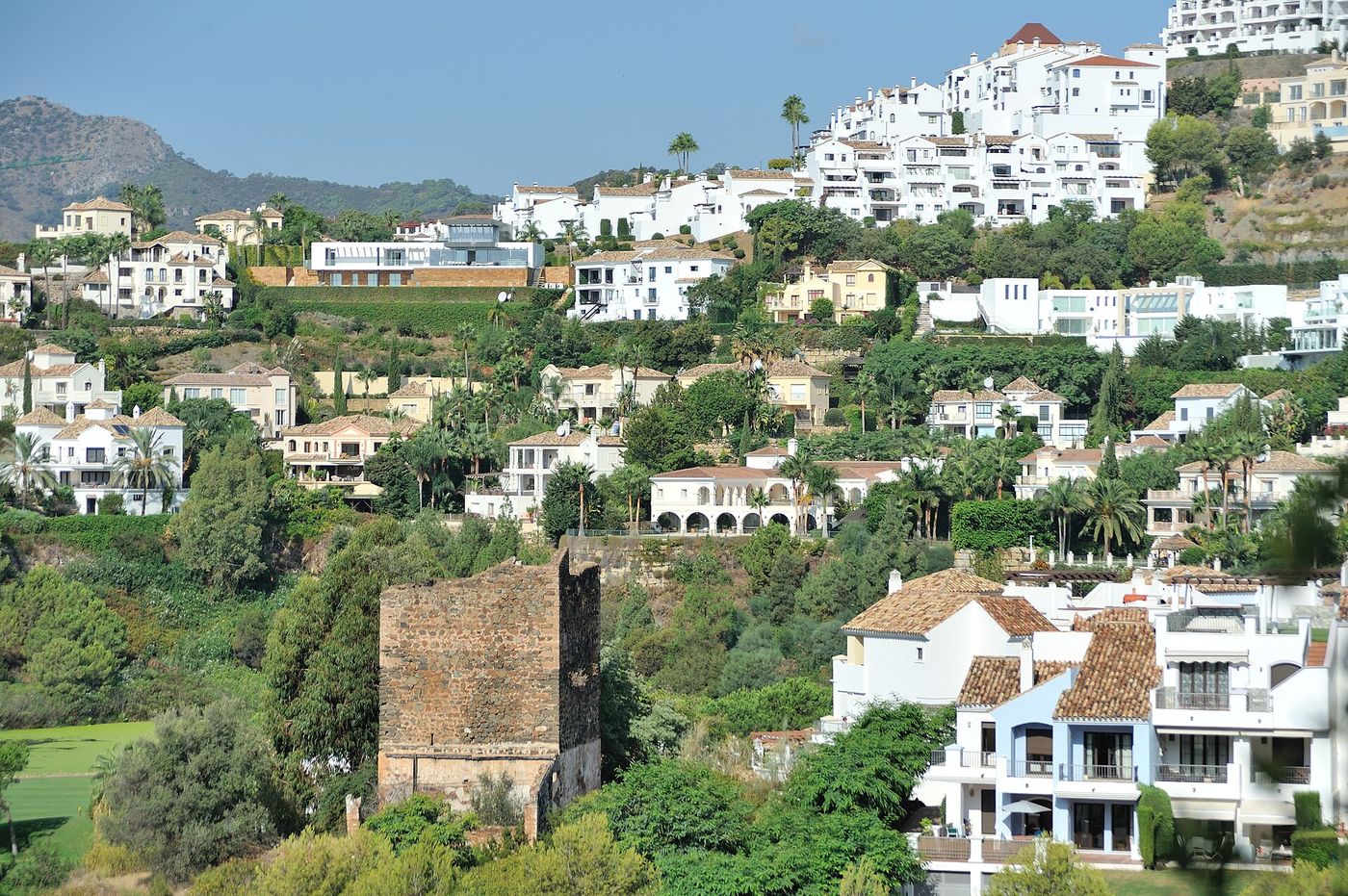
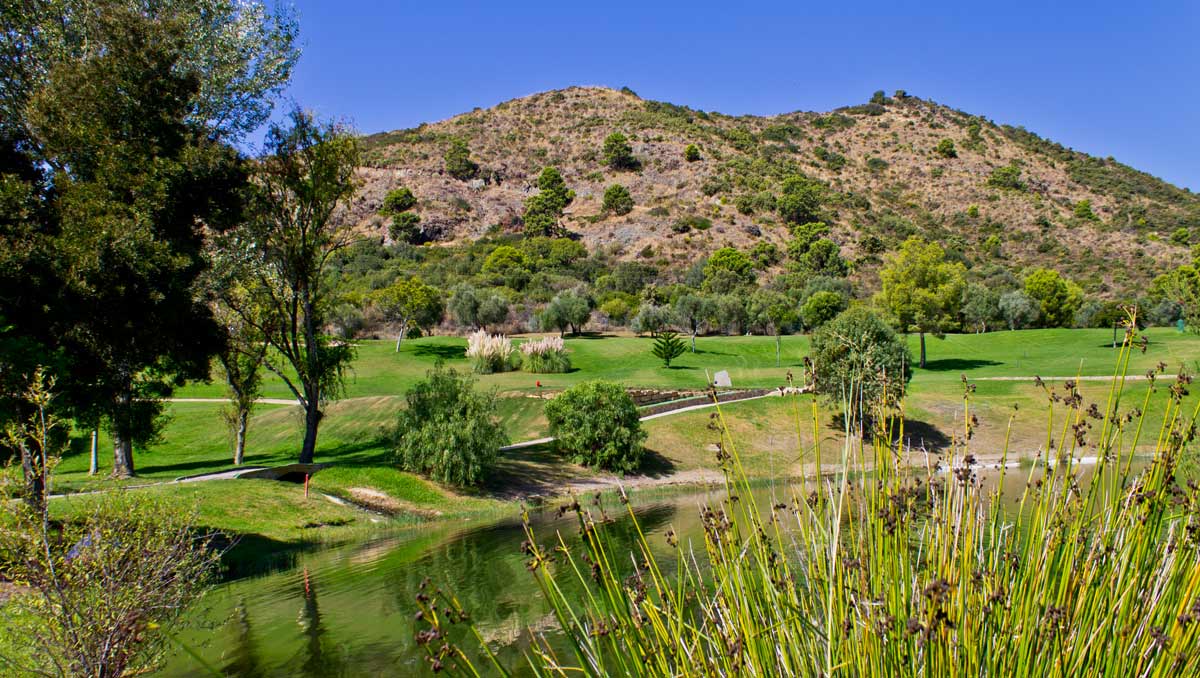
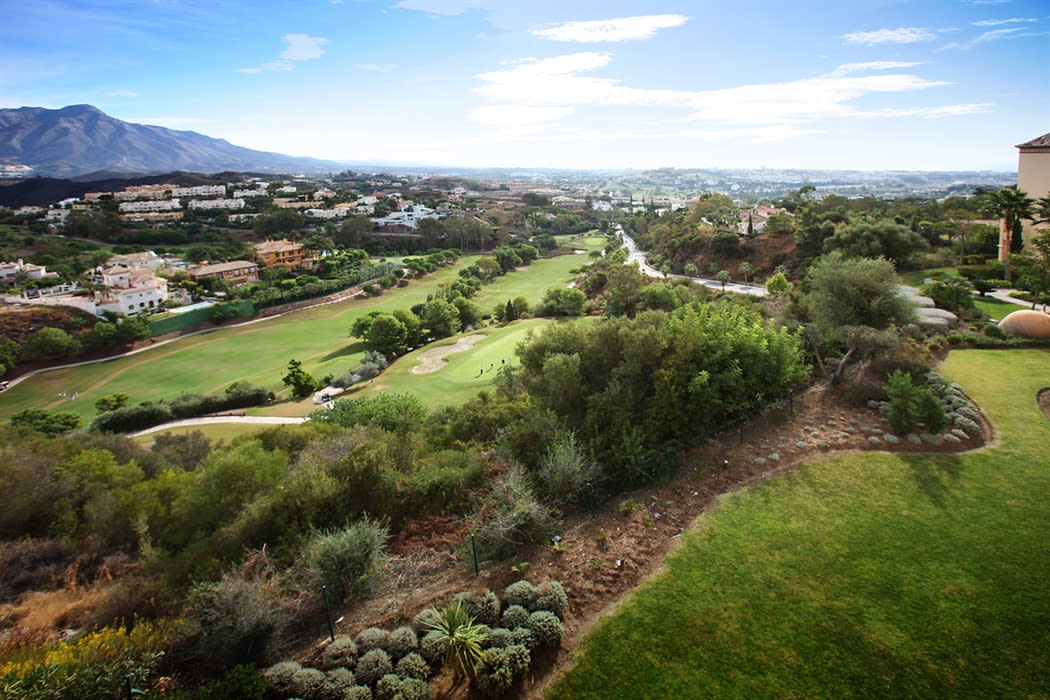
Benahavís was founded by Moors at the end of the 11th century below Montemayor castle, whose walls still sit on the Sierra Palmitera ridge at 579 m with views to the Strait of Gibraltar on clear days. The village was handed to Ferdinand the Catholic in 1485, got its own charter from Philip II in 1572 and argued over land with Marbella for centuries afterwards. As late as 2001 it had about 1,500 residents; the golf courses and gated estates built since then took it to 9,472 by 2025. The municipality covers 145 km² of hills between Marbella, Estepona and Ronda, crossed by the Guadalmina, Guadaiza and Guadalmansa rivers.
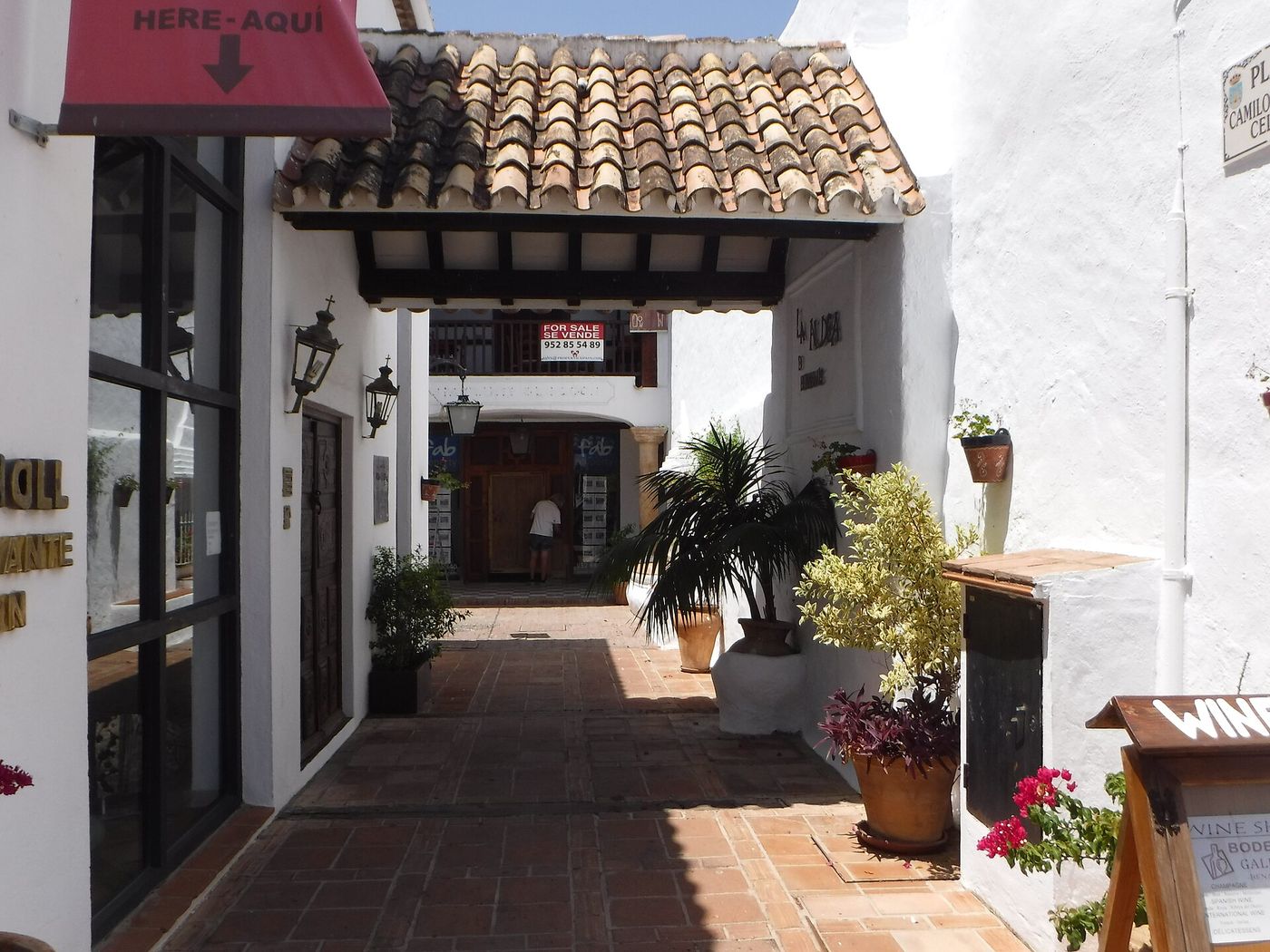
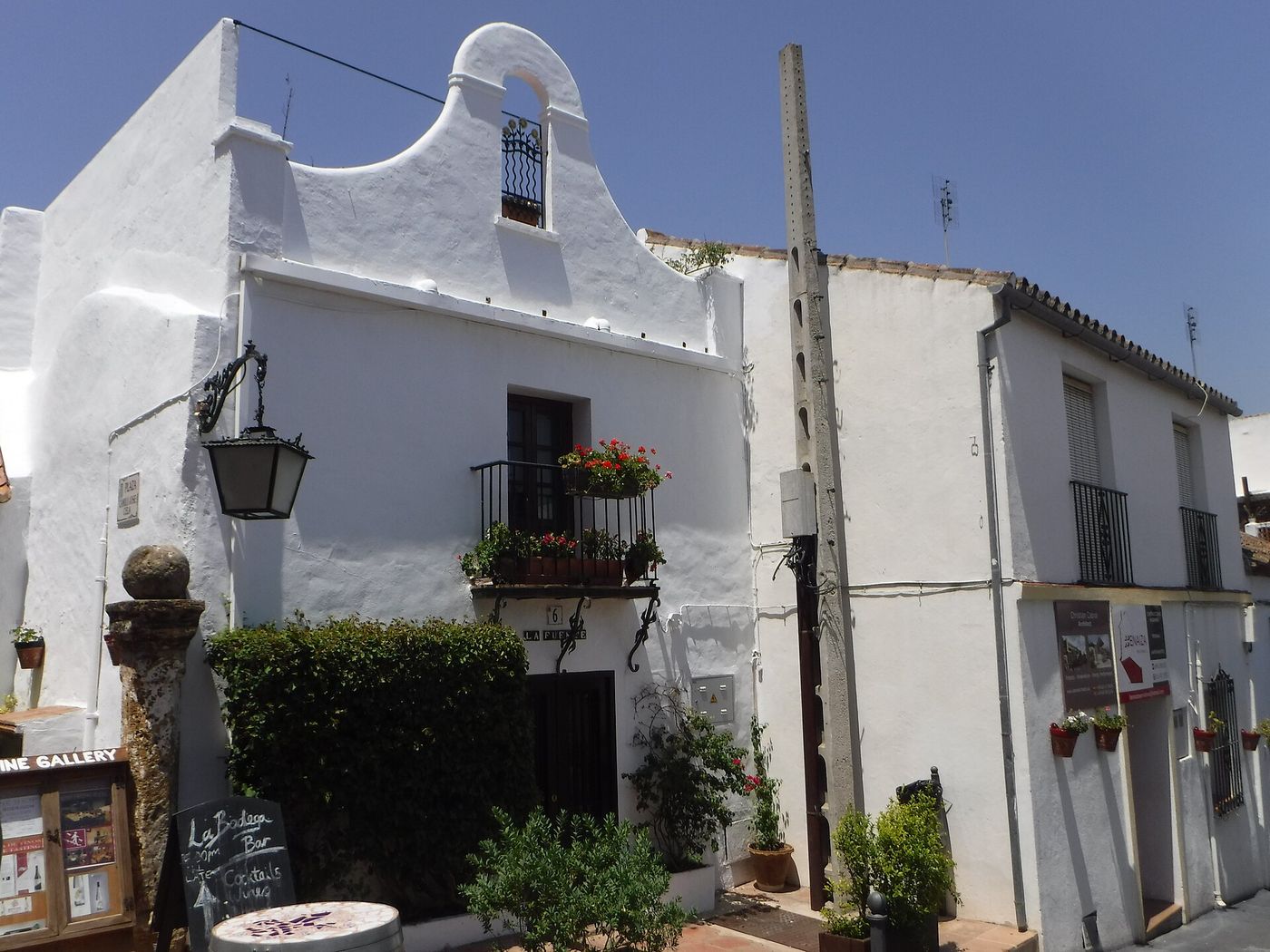
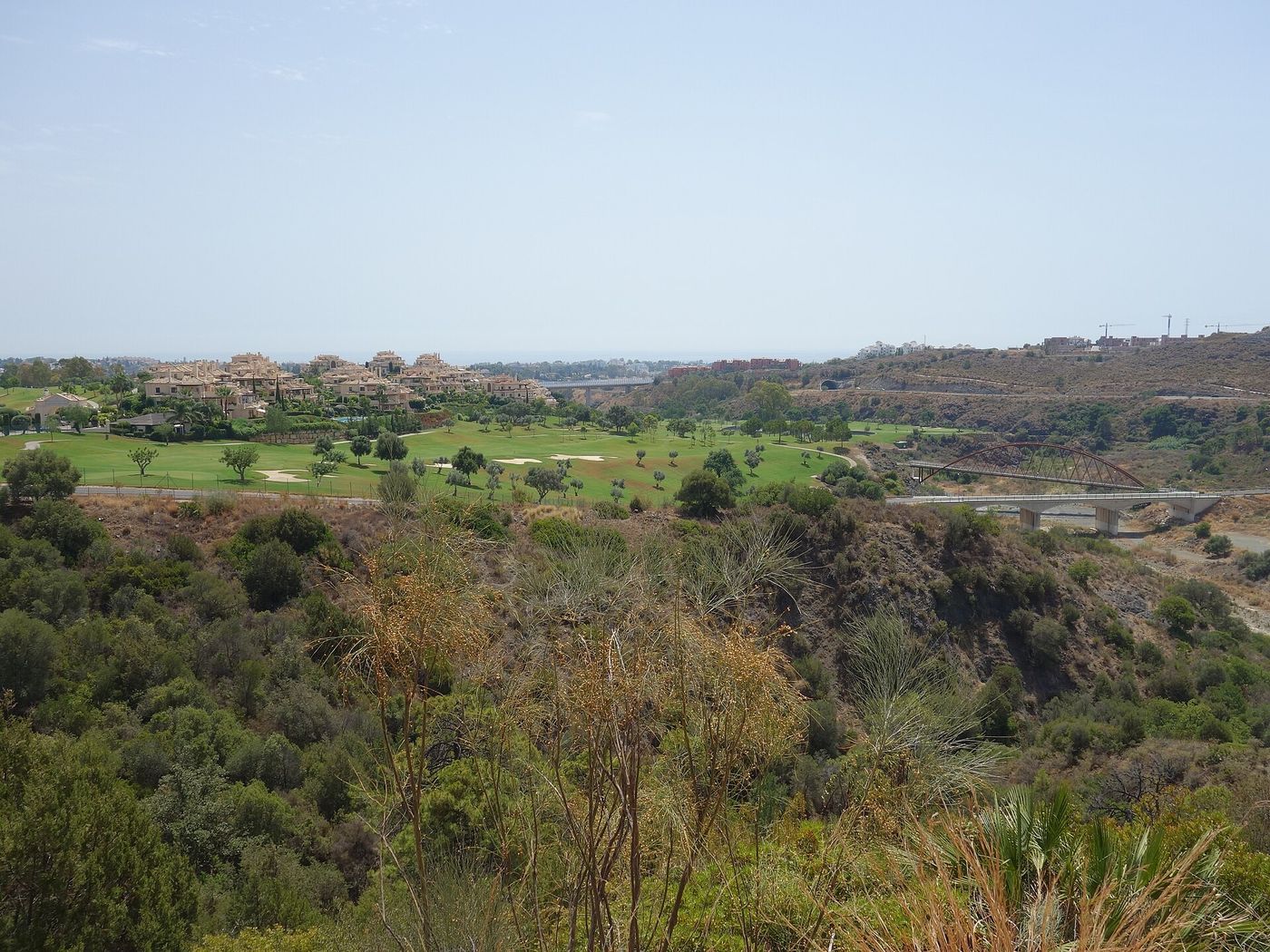
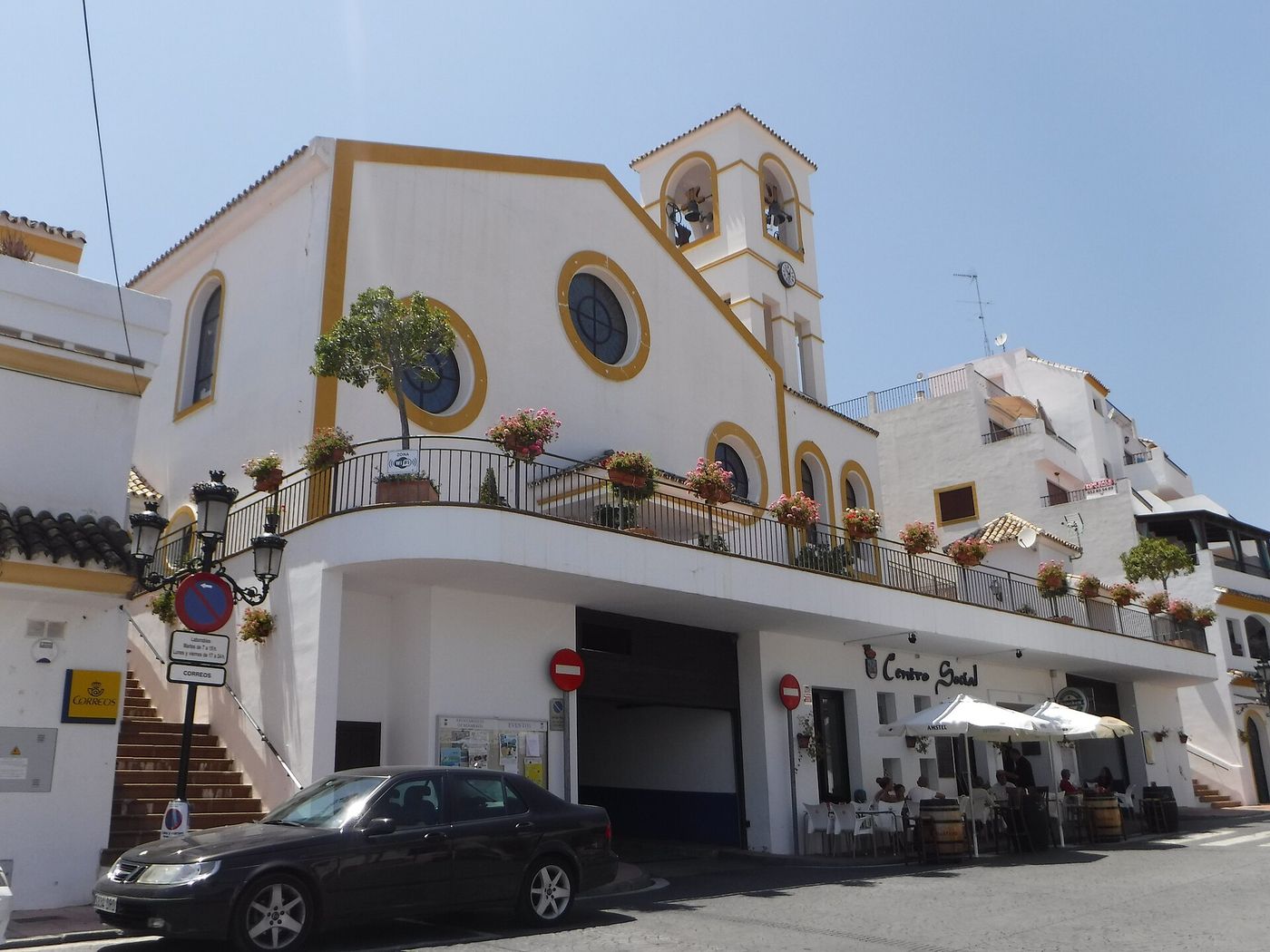
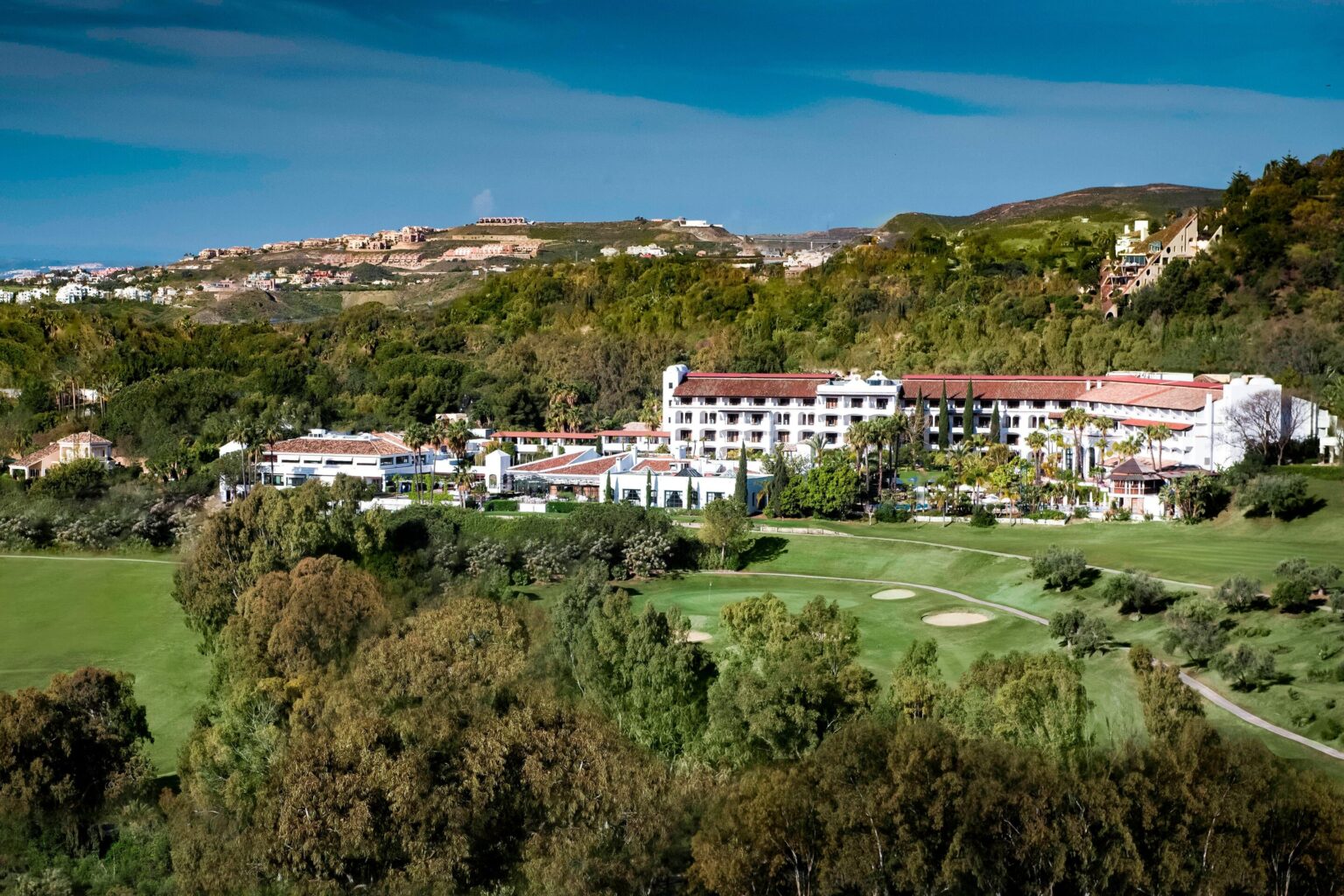
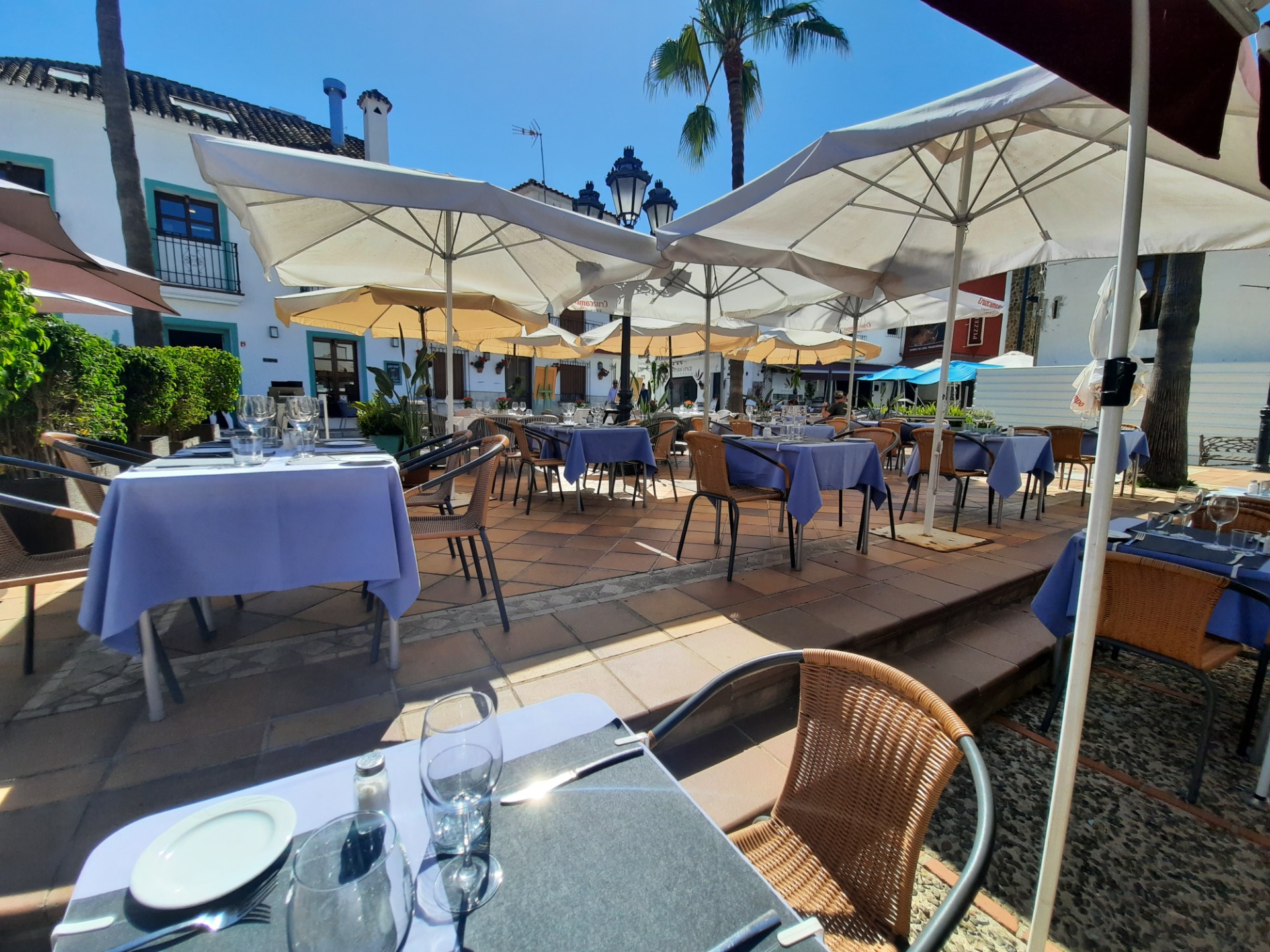
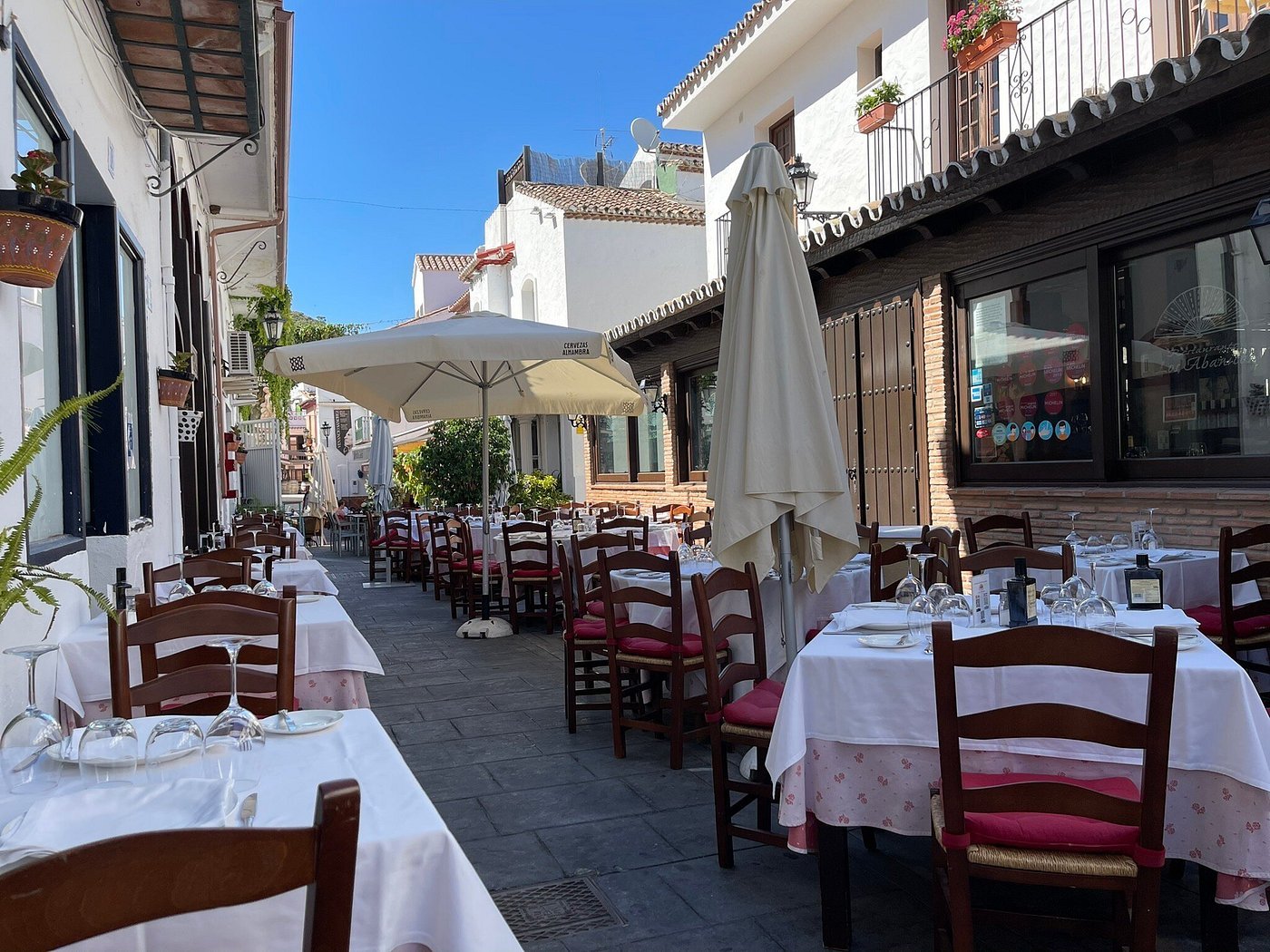
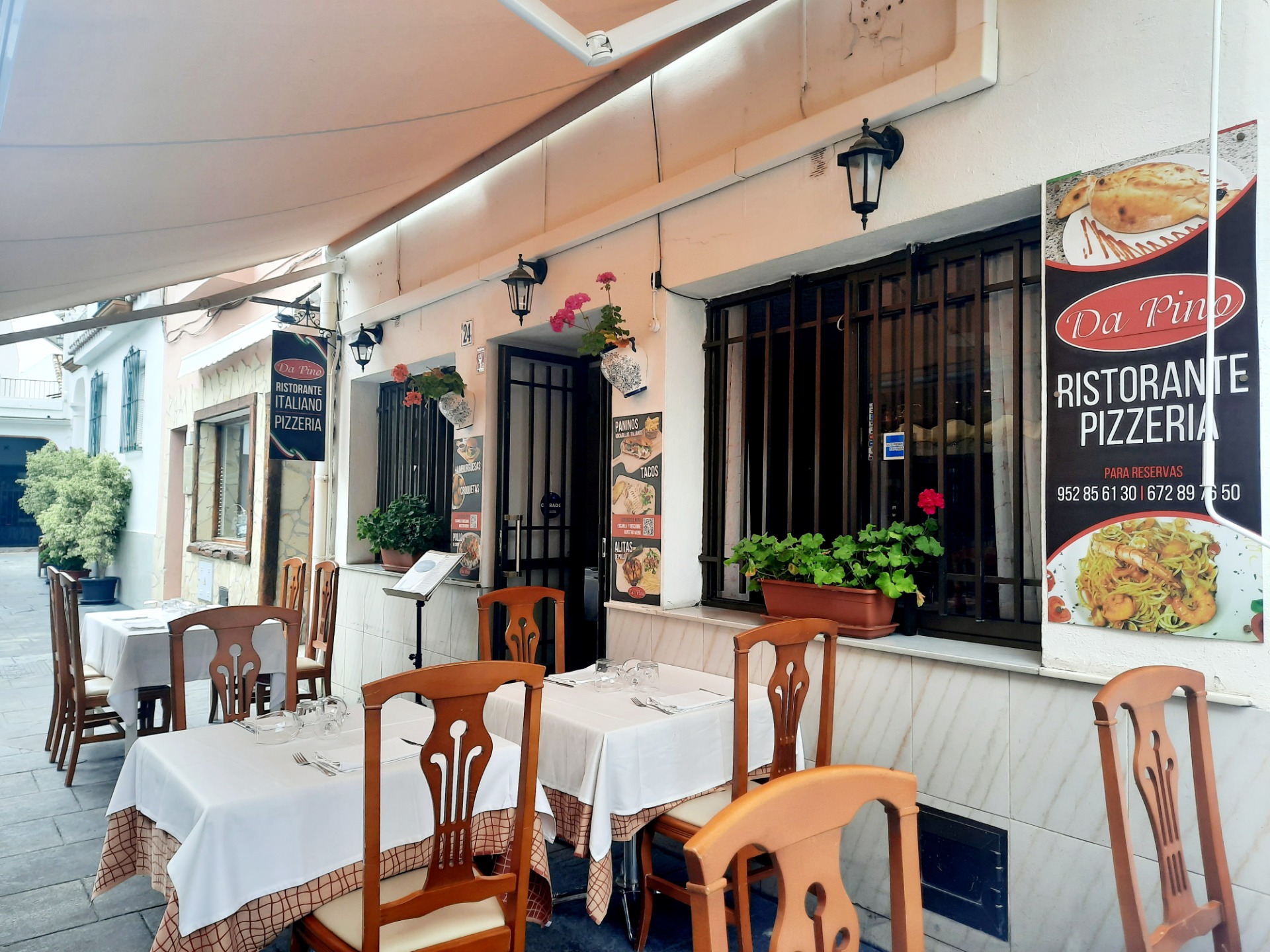
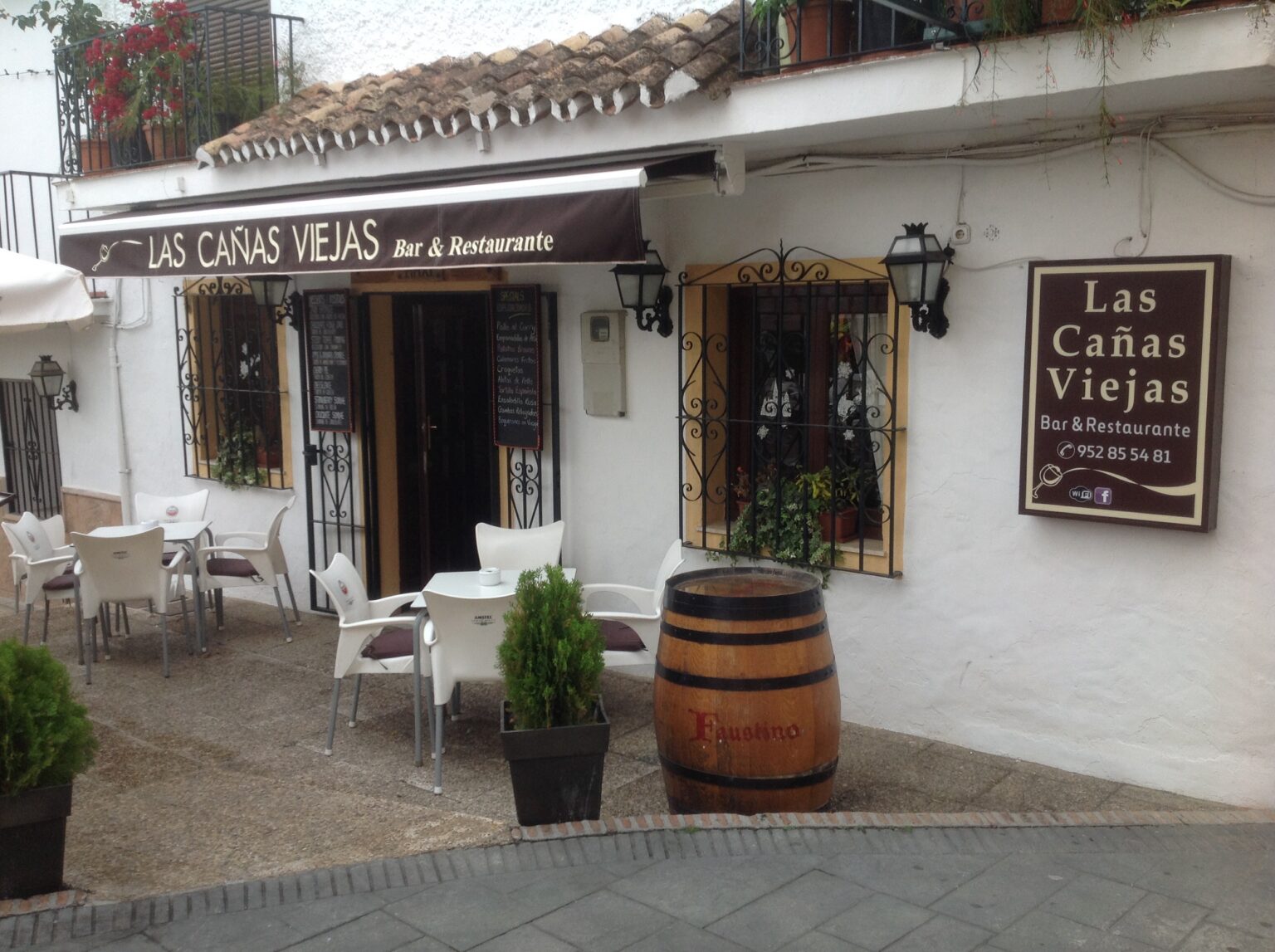
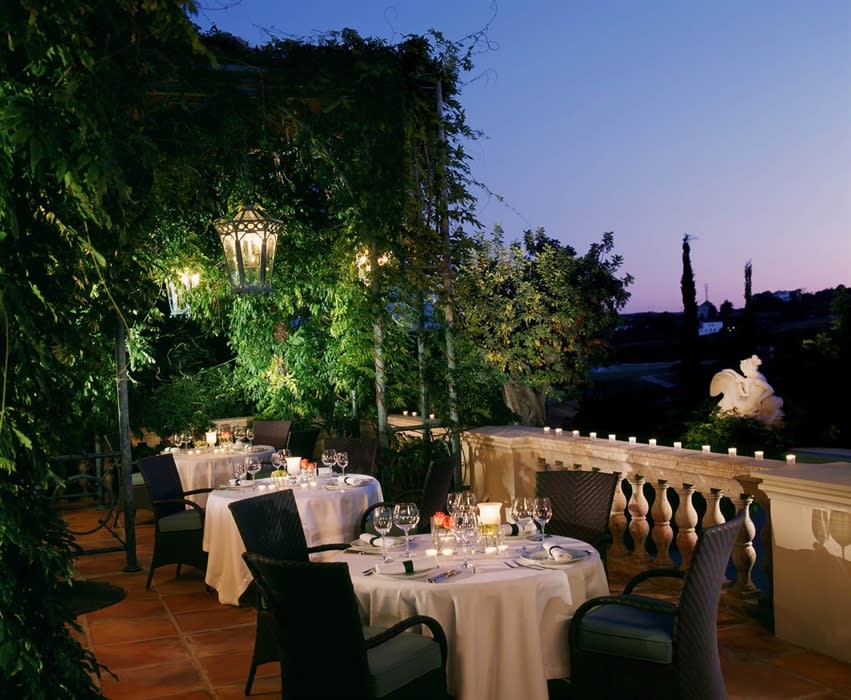
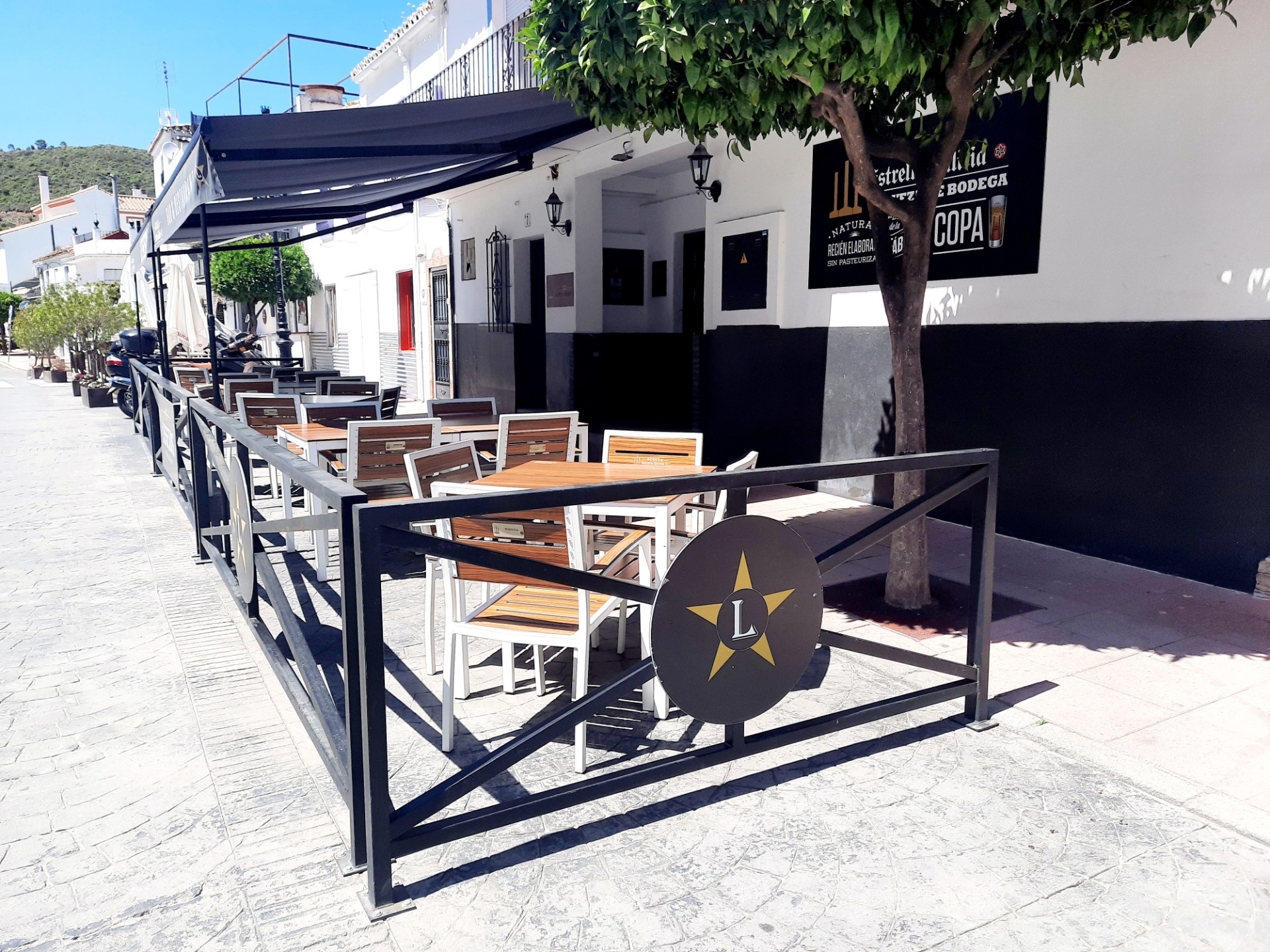
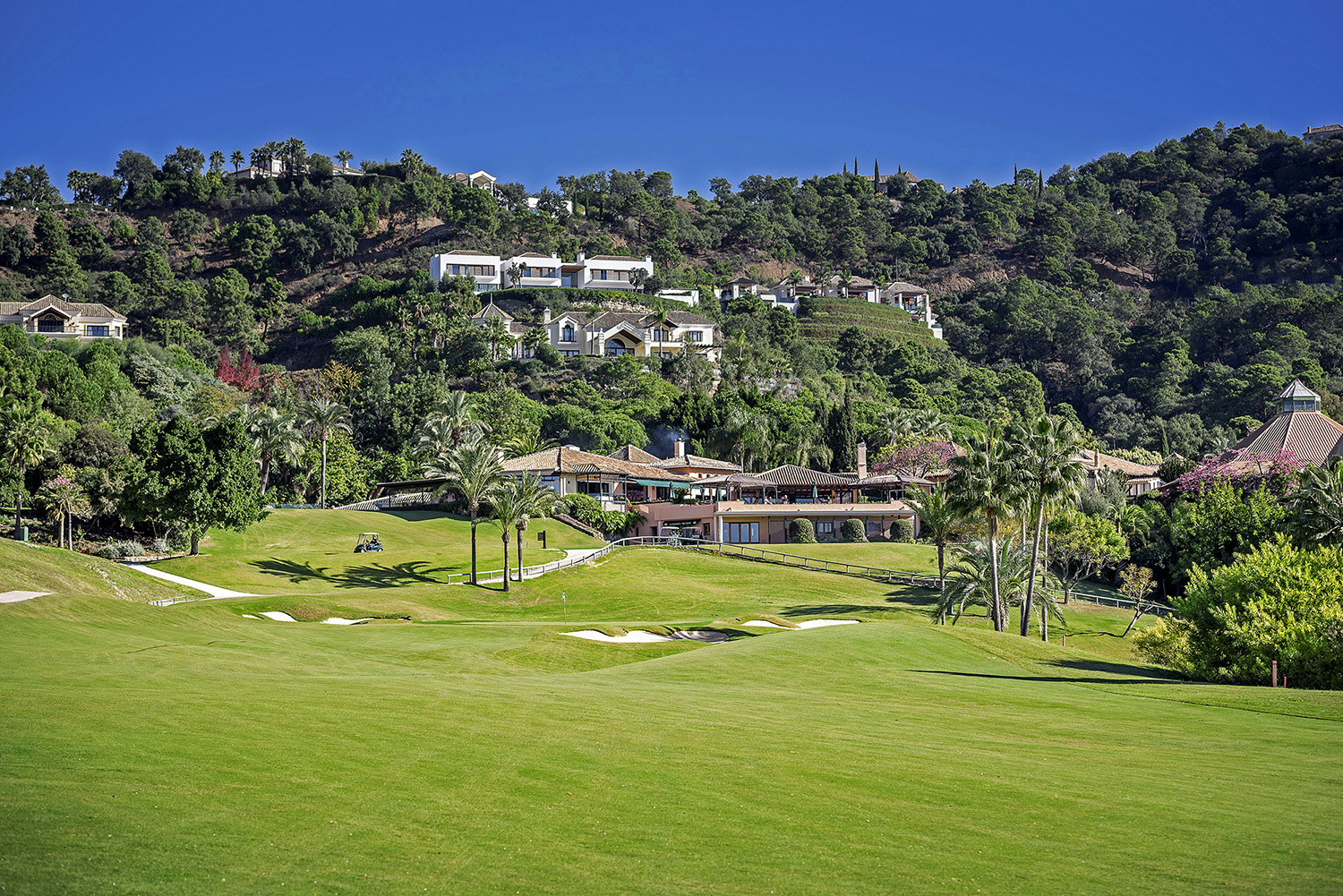
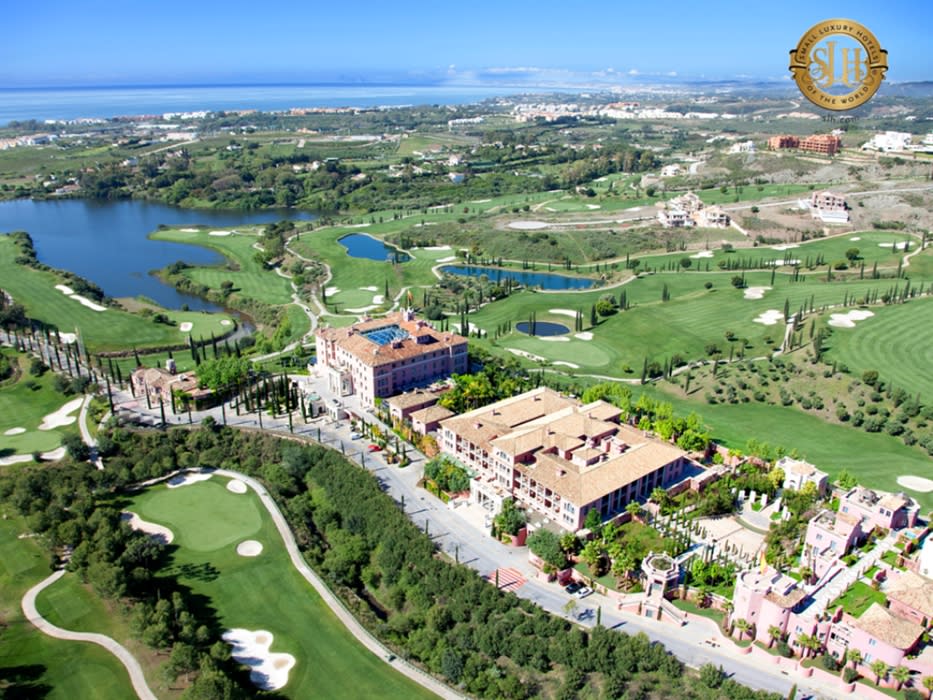
Daily life splits in two. The village itself, 7 km inland at 150 m, is a few steep streets of white houses where restaurants fill Calle Málaga, Plaza de España and the church square — Gastroranking counts 74 places to eat in the municipality — and people drive up from the coast for long lunches, so weekend tables and parking need planning. Most residents live outside it, in estates along the A-397 San Pedro–Ronda road (La Quinta, Los Arqueros, El Madroñal, La Zagaleta) and the road up from the coast (Los Flamingos, Marbella Club Golf Resort, Monte Mayor), where everything means a car and a 10–20 minute drive to the supermarkets, schools and beaches of San Pedro and Puerto Banús.
About 62% of residents hold a foreign passport (INE, 2025). In the 2022 register Britons were by far the largest group, about 1,900 people, followed by Russians (about 500), with Argentines, French, Moroccans and Germans next. Just over a fifth of residents are under 18 and 13% are over 65, so this is a place of working-age families and second-home owners more than retirees. Tax data for 2024 put average gross income at €79,041 per return, second-highest in Spain — a figure that a handful of very large incomes in a small municipality can push up a long way.
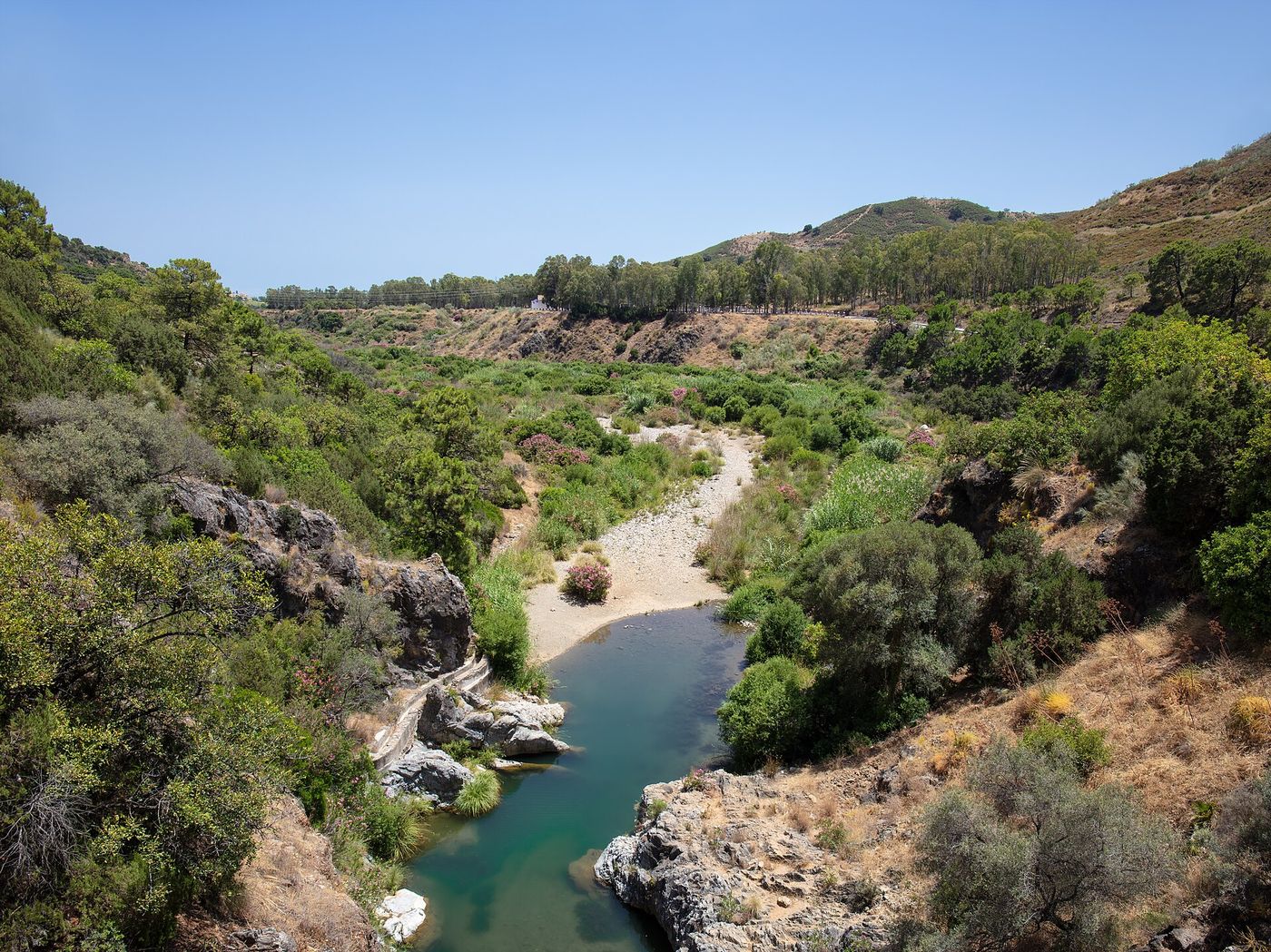
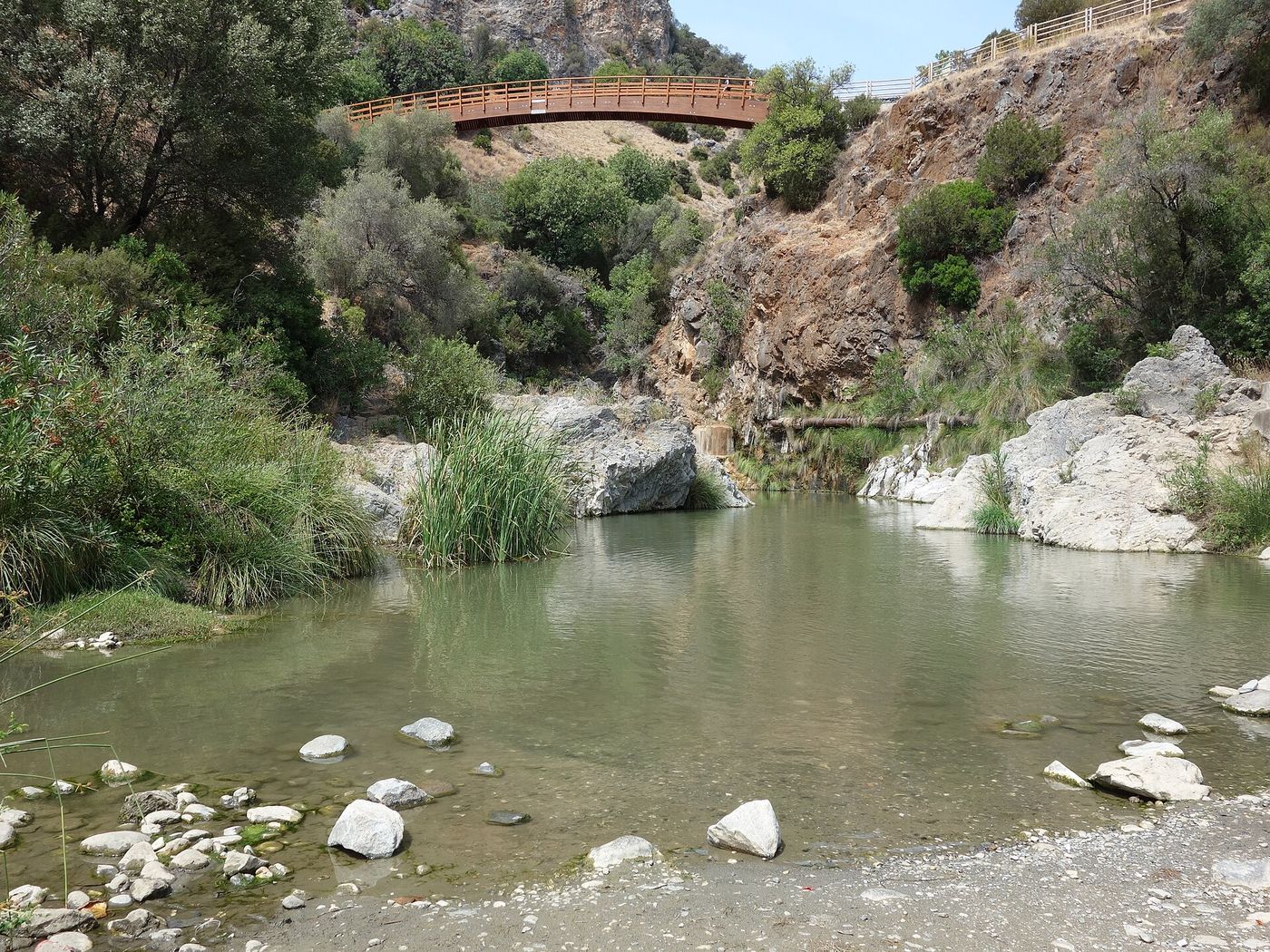
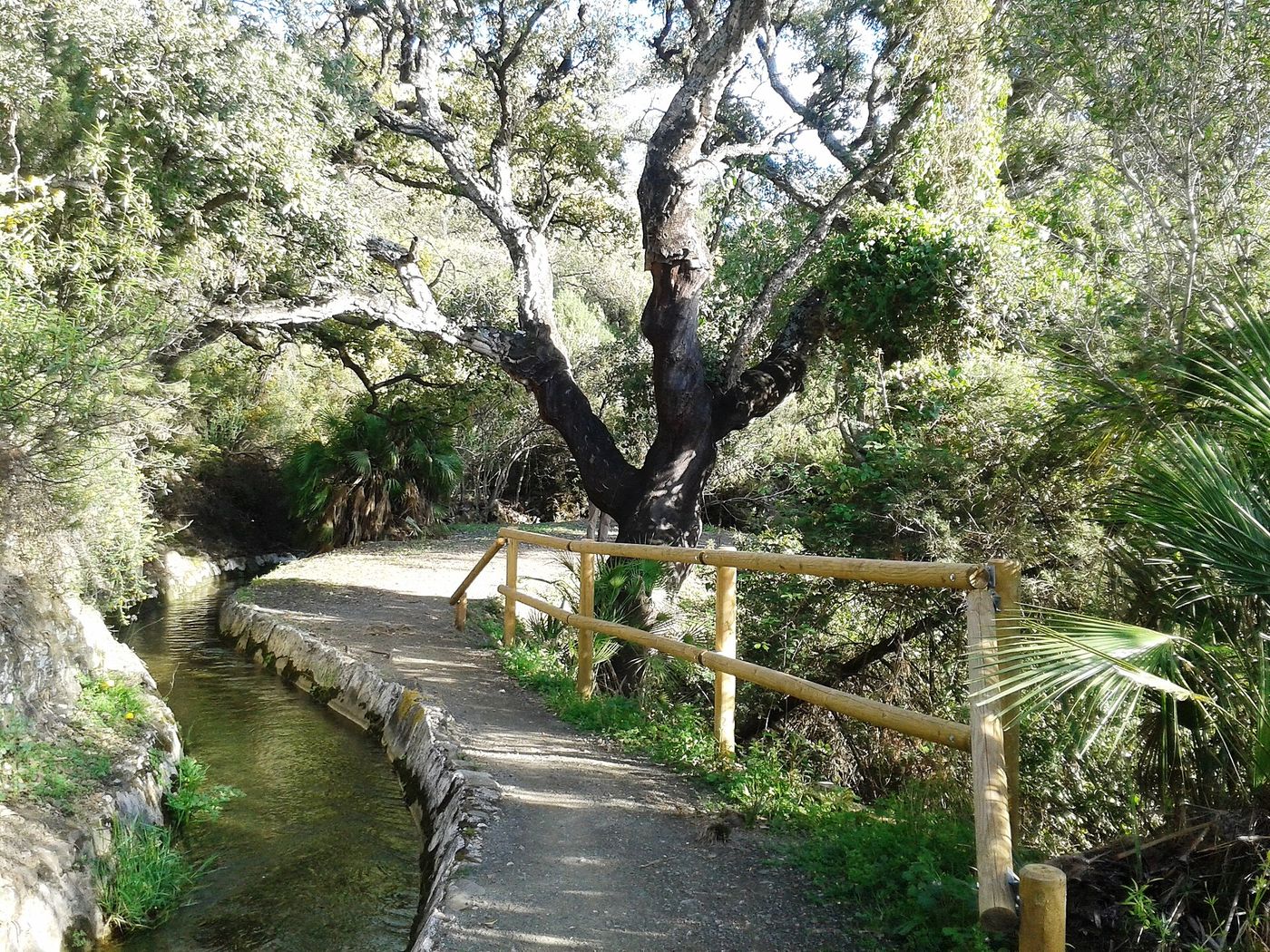
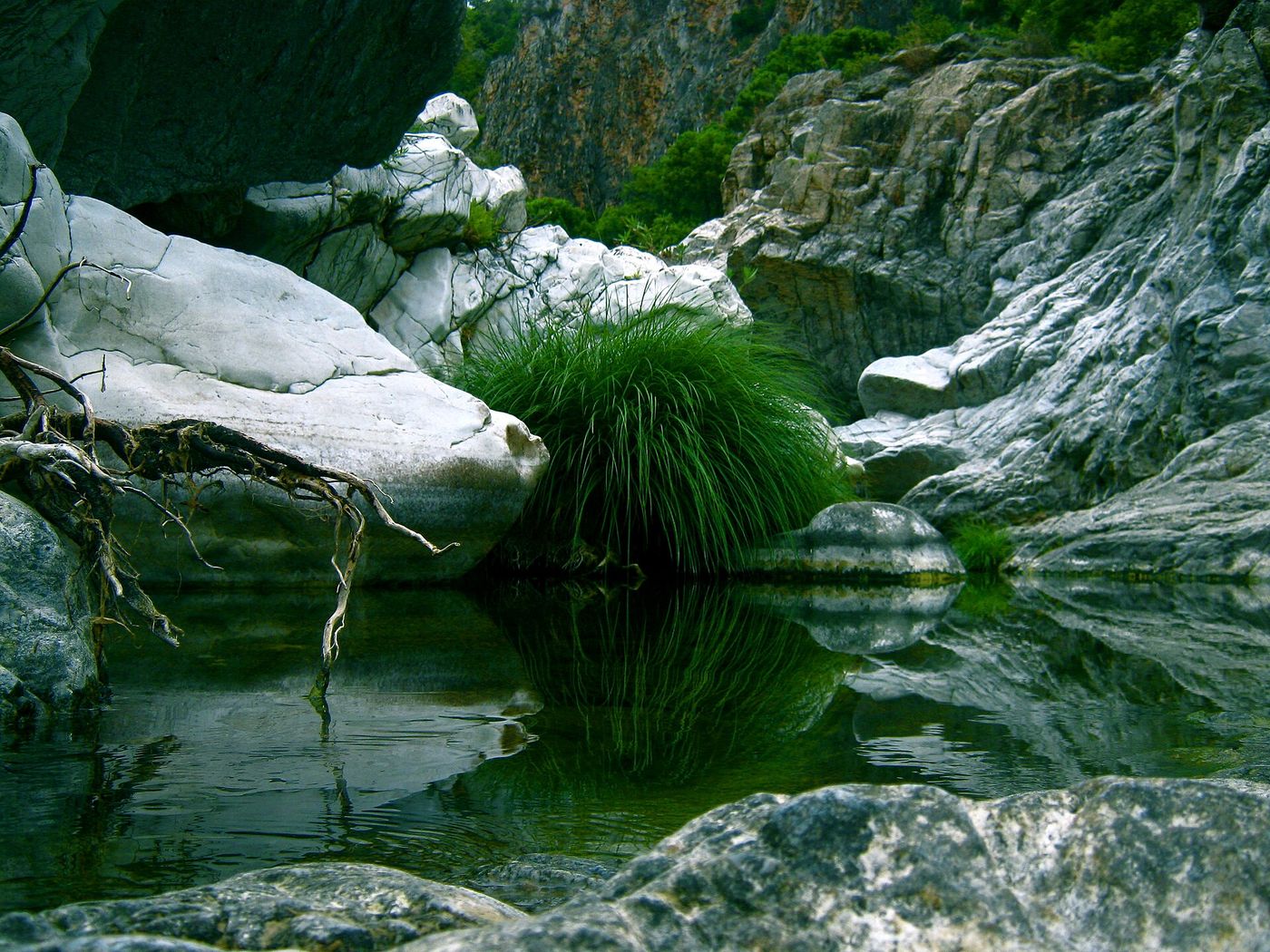
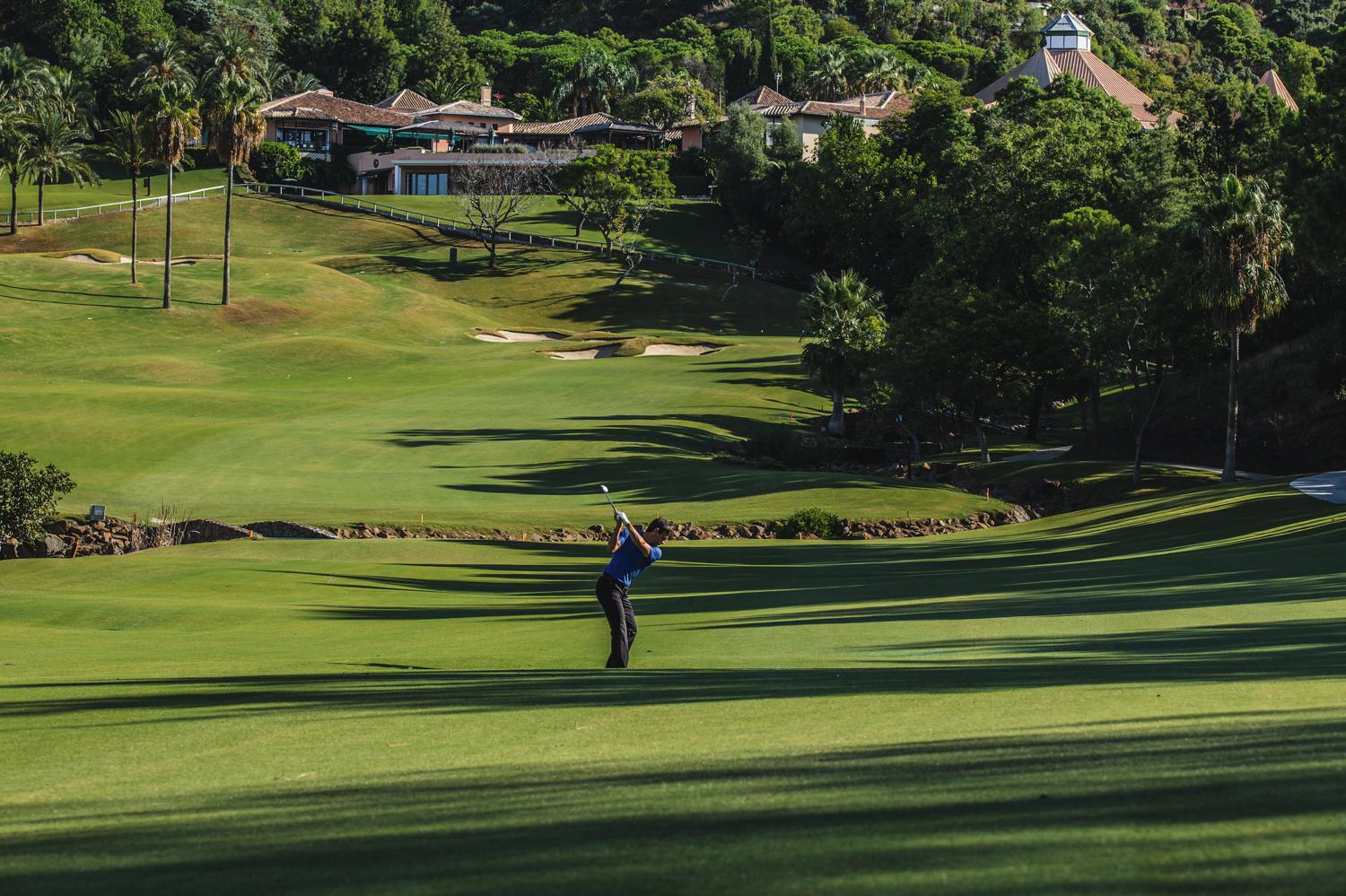
Summer is the village's busy season: the Feria runs for five days from mid-August, terraces stay full into the night, and the free municipal pool by the river has a bar. The Guadalmina, which runs past the village, is a dry bed for much of the year since a dam was built in the late 1990s, but the gorge of Las Angosturas and its irrigation-channel path stay green. Winter is quiet; golf is busiest in spring and autumn (Los Arqueros charges its highest green fees from March to May and mid-September to November). Many village restaurants close one day a week — La Escalera de Balthazar on Wednesdays, several others on Mondays.
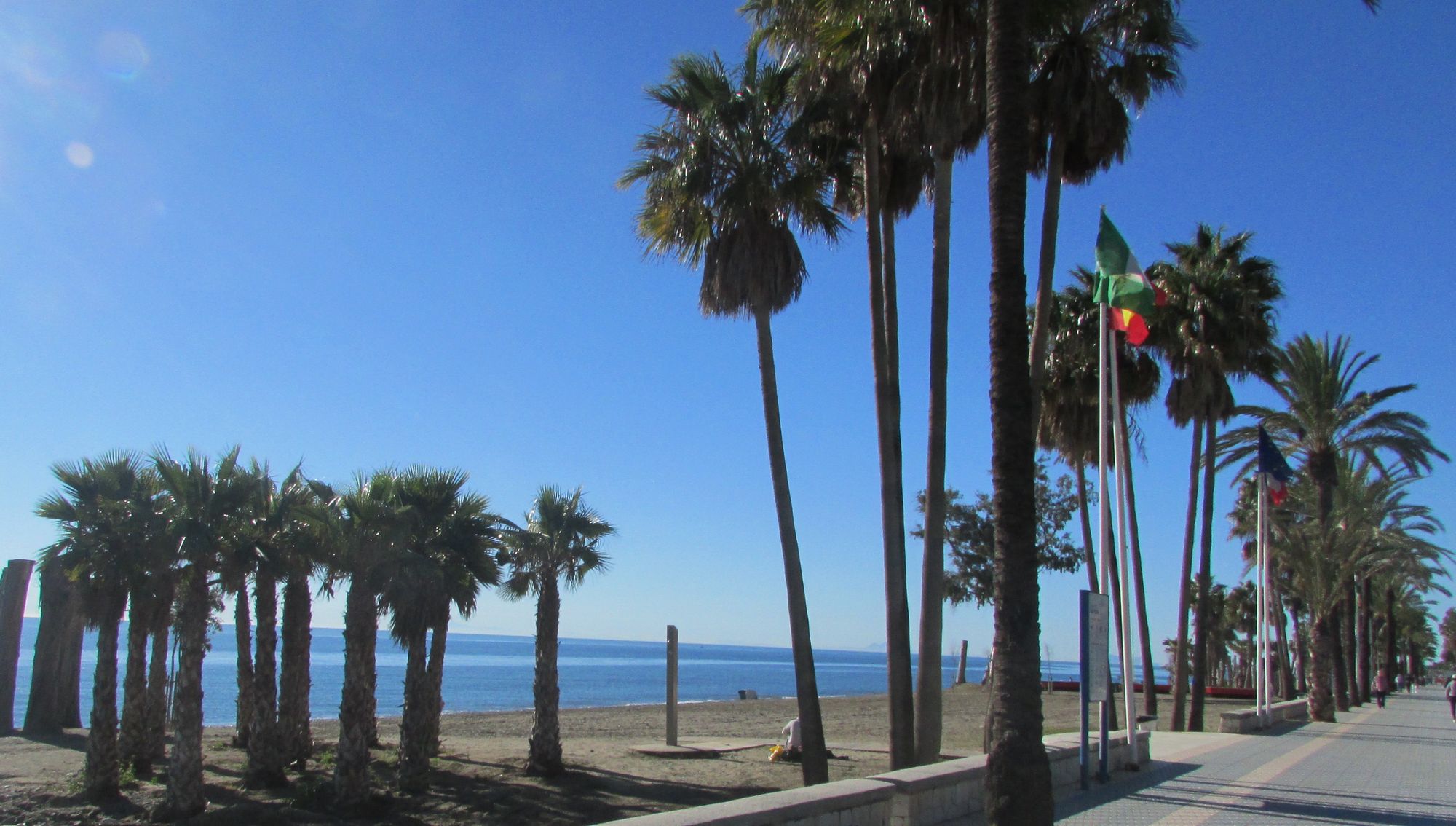
The honest downsides: there is no beach (the nearest sand is about 8 km and 11 minutes away by car), no train, and nothing much open after midnight unless you drive to Puerto Banús, 17 minutes away. Málaga airport is just over an hour on the toll-free A-7. Buying in is expensive — modelled prices average around €6,000/m² or more — and there is no international school operating in the municipality yet: families on the estates drive to schools such as Laude San Pedro International College or Calpe School in San Pedro and Guadalmina. Village streets are narrow and fill with cars at Sunday lunchtime.